

The 2026 FIFA World Cup in the USA, Canada, and Mexico is in full swing, featuring 48 teams and 104 matches—the largest tournament in World Cup history. While millions of fans follow Messi and Ronaldo on the pitch, the perimeter LED displays around the perimeter of the stadium, constantly displaying brand advertisements and event information, are also participating in this globally watched competition in another way.
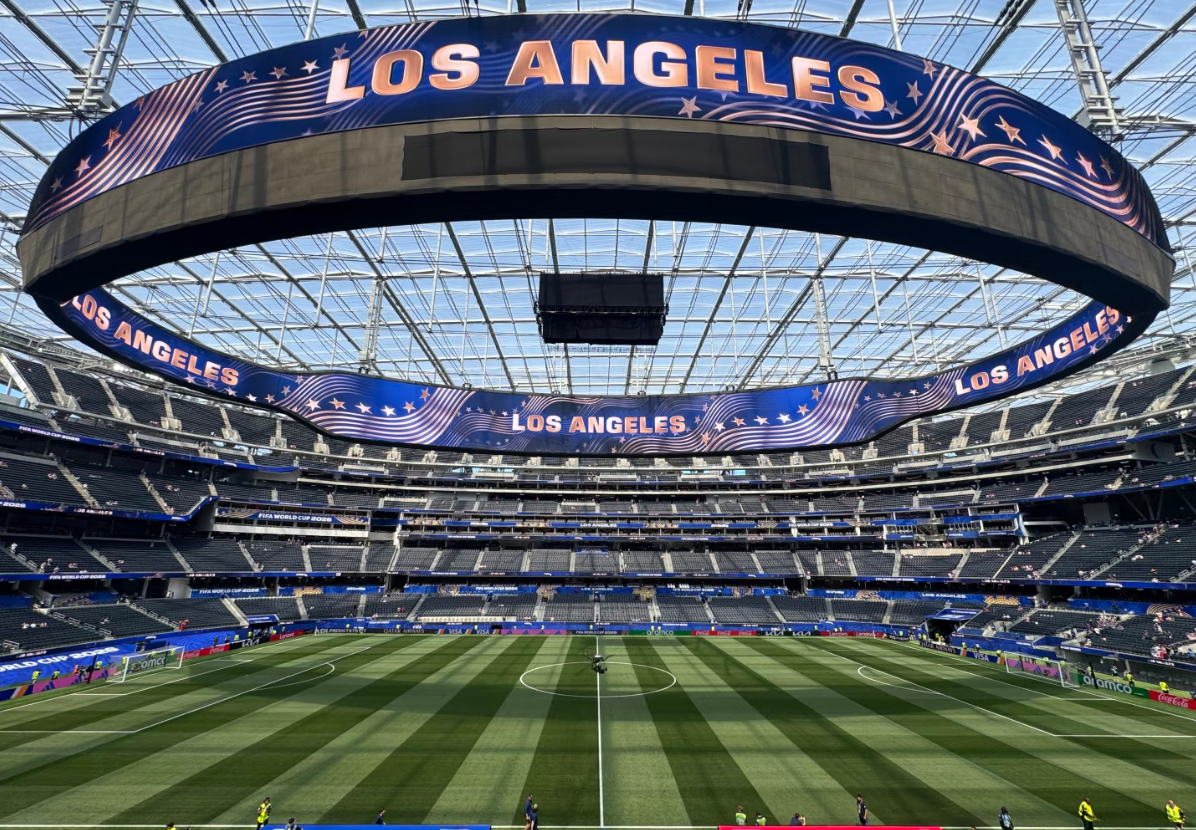
Perimeter LED Displays: The Real Star in Broadcast Shots
In top-tier sporting events like the World Cup, the role of perimeter LED displays goes far beyond simply displaying advertisements. While they surround the stadium without obstructing the view, they naturally appear on the broadcast screen during every corner kick, throw-in, and goal celebration replay. Statistics show that in a 90-minute match, perimeter LED displays can accumulate over 70 minutes of exposure on television, a duration unmatched by any TV commercial.
This is why perimeter LED displays have become highly sought-after advertising spaces for leading international brands during the World Cup. From automobiles to beverages, from payment systems to airline services, brands are vying for public attention on these screens.
More Than Just a Screen
Of course, behind this seemingly simple stadium screen lie extremely stringent technical requirements.
- Maintaining clarity under blazing sunlight
World Cup matches are sometimes held during the day. When sunlight shines directly onto the field, insufficient screen brightness will render the content unreadable. Therefore, the perimeter LED displays must remain clear even in bright light.
- Maintaining clear image quality under high-speed cameras
When playing 4K or even 8K slow-motion replays, insufficient screen refresh rates will result in scanning lines and flicker, directly affecting the quality of the broadcast. Therefore, the perimeter LED displays must withstand the impact of cameras.
- Resistant to player collisions
During high-speed competition, players frequently collide with the barriers. Therefore, the screen structure must be robust, durable, and safe.
- Resistant to variable weather conditions
From the scorching heat of a California desert stadium to the torrential rain of a Vancouver beachfront, the perimeter LED screens must be capable of stable operation in all weather conditions.
The Perimeter LED Display Market
The high standards set by the World Cup for perimeter fencing screens have actually driven technological upgrades across the entire outdoor LED display industry. High brightness, high refresh rates, high protection ratings, and lightweight module designs—parameters that were once difficult to achieve—are now gradually becoming common benchmarks in the outdoor display field.
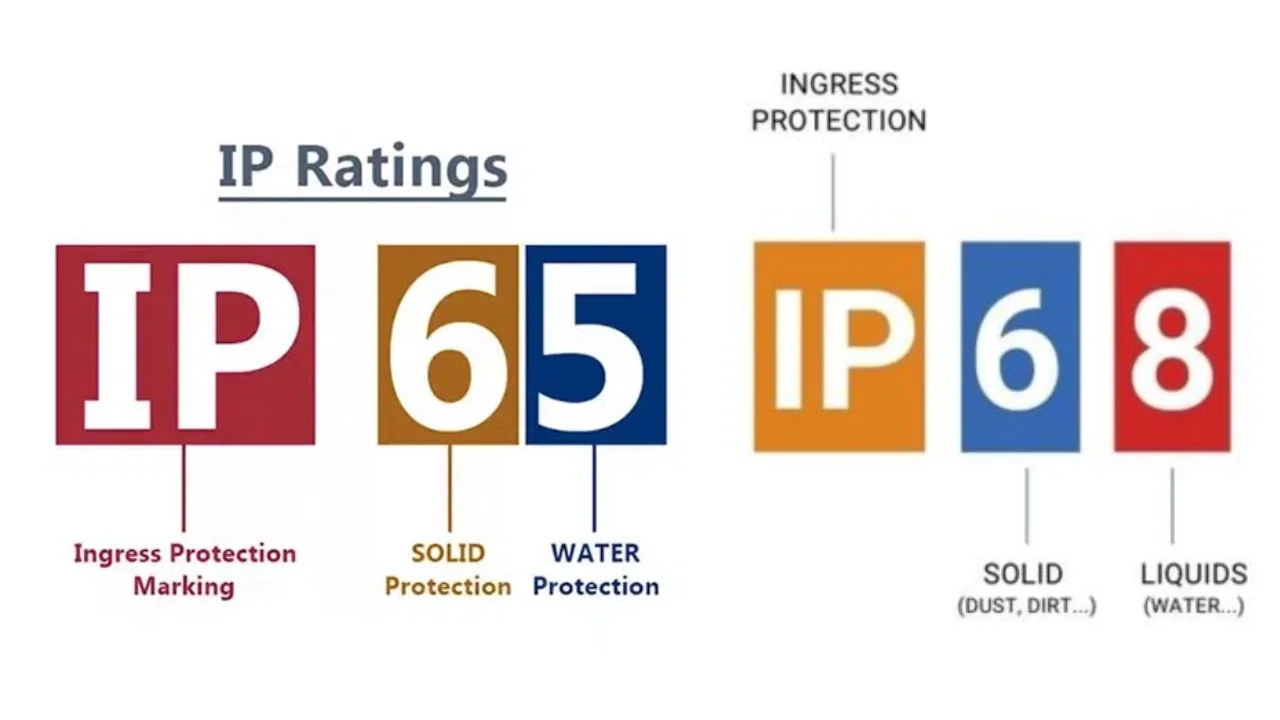
Today, outdoor perimeter LED screens typically need to meet the following requirements: brightness of over 6,000 nits to cope with direct sunlight, a 3,840Hz high refresh rate to match ultra-high-definition broadcasting, and an IP65 protection rating to cope with variable outdoor weather. These specifications are highly consistent with the technological direction of high-end outdoor screen products such as the MileStrong SL series.
For the entire outdoor LED display industry, top-level events like the World Cup are always the best litmus test and driving force. What visual surprises will perimeter LED screens bring us in the next four years? We eagerly await the answer.