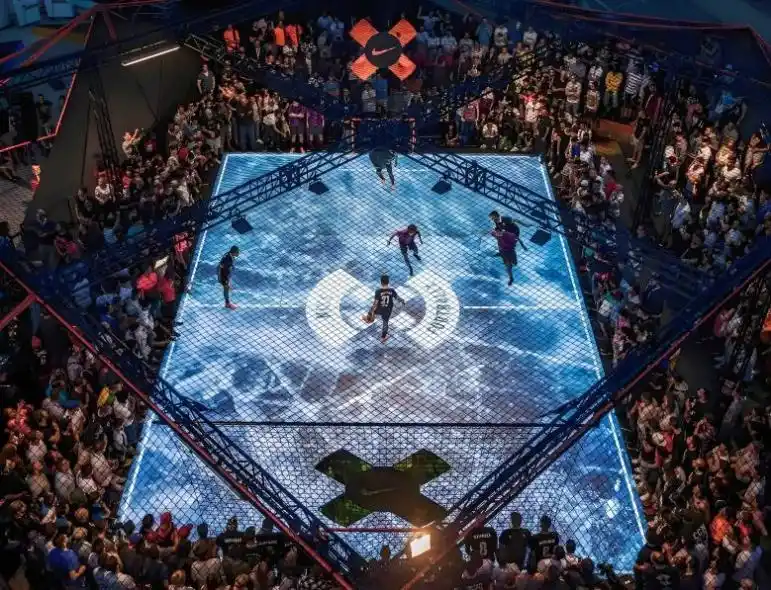


Nowadays, LED screens are widely used in all industries. They are deeply integrated into people’s daily lives. Stable long-term operation is very important, while the ease of later maintenance directly affects continuous stable performance. Thus, the maintenance becomes a core factor to consider during project planning.
There are two main maintenance types for LED displays: Front Maintenance and Rear Maintenance. They have different features, and fit different installation sites and project needs.
What is Front Maintenance?
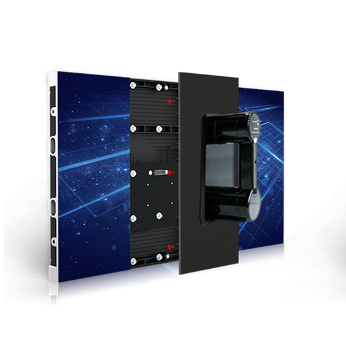
Front maintenance means that all repair work can be done from the front side of the LED screen. You do not need to go to the back to take out modules, power supplies or control boards.
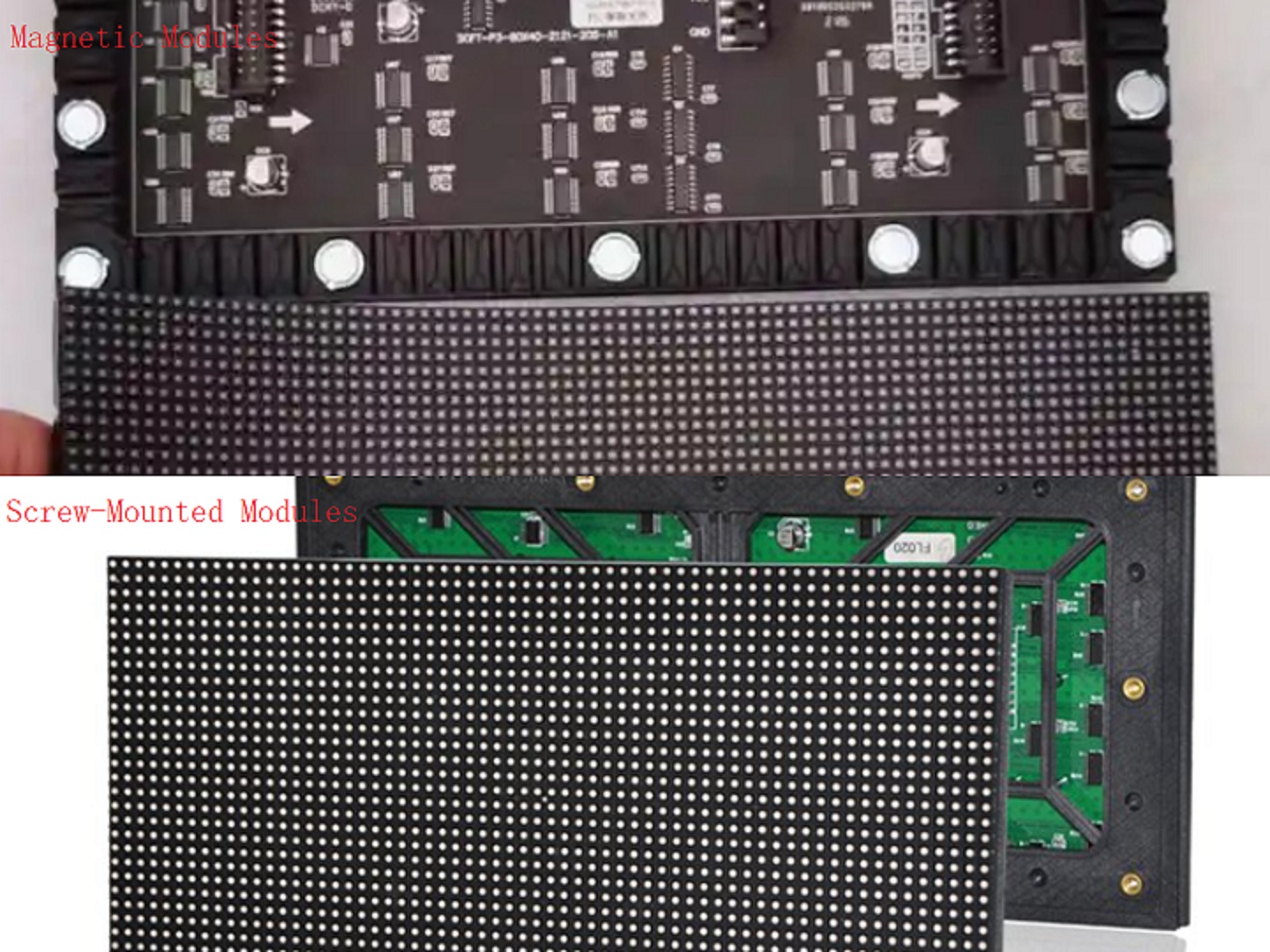
Most front-maintenance LED displays use magnetic modules or front flip structures.
Workers use special suction cups or open the front flip frame. They can take out LED modules quickly and change broken parts. There is no need to take down the whole screen.
Advantages for Front Maintenance
- It saves much space.
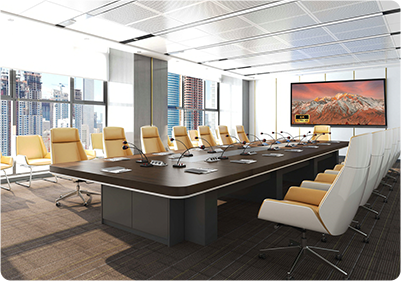
Many LED screens are wall-mounted or embedded in walls. These include shopping mall windows, meeting room walls, exhibition halls and control rooms. There is almost no space behind the screen. Front maintenance is the only practical choice here.
- It cuts repair time greatly.
If one module breaks, you only replace that single module. The rest of the screen can keep working. It improves the screen’s working rate.
Disadvantages for Front Maintenance
Front maintenance needs special structural designs, such as magnetic modules or front lock frames. These special parts raise production costs a little.
What is Rear Maintenance?
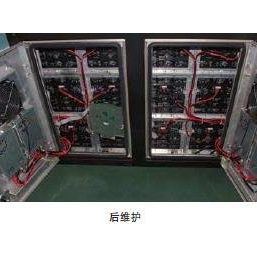
Rear maintenance means that Workers open the back cover of cabinets to check and change modules, power supplies and receiving cards. This is the oldest and most mature maintenance method for LED displays.
Advantages for Rear Maintenance
- It works well for large fixed projects.
All electronic parts are placed inside cabinets, with enough working space behind. Outdoor billboards, stadium LED screens, stage background LED screens and building curtain walls usually leave a service channel at the back during installation.
- Lower production cost.
Rear-maintenance LED screens have simple inner structures. They cost less and run stably for years.
Disadvantages for Rear Maintenance
You must leave enough empty space behind the screen. Without a service channel, rear maintenance cannot work.
How to Choose Between Front and Rear Maintenance?
- Choose Front Maintenance if your screen is wall-mounted or embedded with limited space. It works great for commercial displays, exhibition halls, meeting rooms and retail indoor scenes.
- Choose Rear Maintenance if there is an independent service channel behind the screen. It brings more stable repair experience for large outdoor LED screens, rental stage LED screens and stadium display systems.
Different projects need different maintenance plans. As a professional LED display manufacturer, MileStrong can customize solutions for you. We offer front maintenance, rear maintenance or mixed maintenance designs. With magnetic modules, front flip frames and modular cabinets, we make all maintenance faster and easier.