

Background
When you selecting LED displays, you will often see two terms: HDR and SDR. Many clients wonder how much difference they make on screens. This article explains the two terms with Milestrong LED displays, to help you pick the right option for your project.
What is SDR?
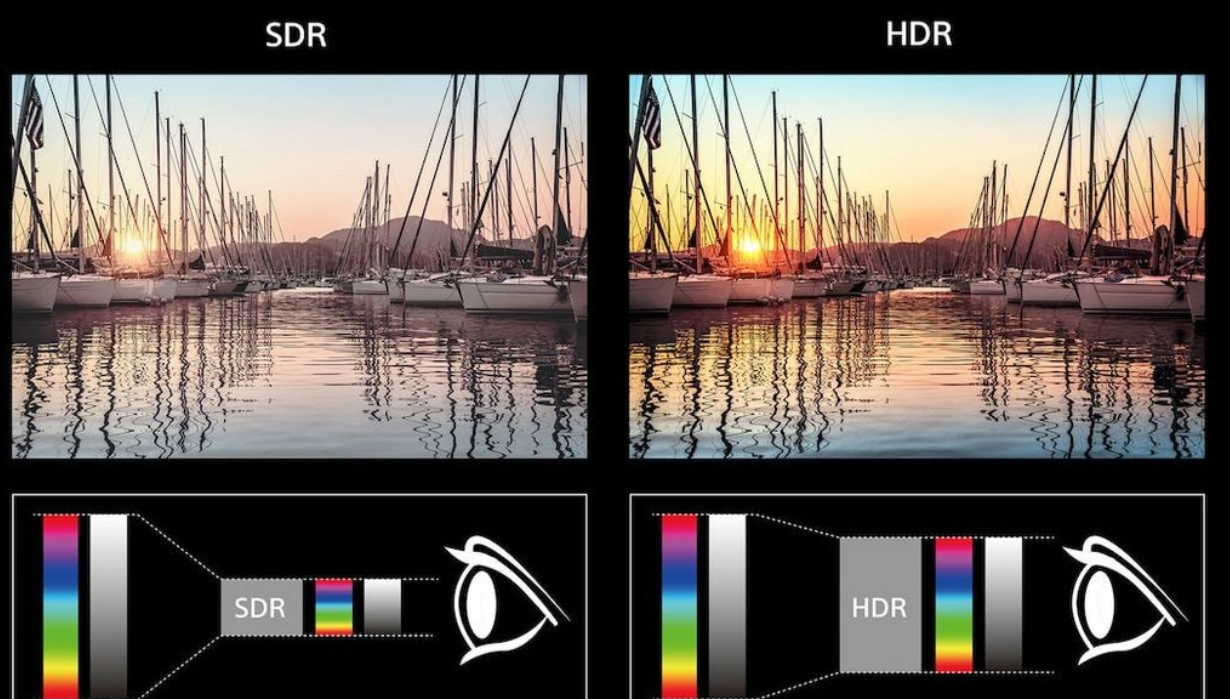
SDR stands for Standard Dynamic Range. It is a long-established video format. Most older images and short videos are made for SDR. It has a limited brightness range. Bright areas may turn pure white and lose details. Dark areas can become solid black with no visible texture. Color gradients may also show visible banding.
Milestrong SL series LED screens and MS series led displays work with native SDR. These models focus on stability, wide compatibility and cost efficiency. They fit indoor notice screens, basic store advertising and outdoor community billboards. They run images and common video clips without extra transcoding. They are suitable for low-budget projects for basic information display.
What is HDR?
HDR means High Dynamic Range. It is an upgraded display standard. Its main strength is clear details in both bright highlights and dark shadows. Colors look richer and smoother, closer to what human eyes see in real life. Milestrong’s premium LED products support native HDR decoding. These models can fully leverage hardware performance.
For example:
FR series LED rental screens are widely used for concerts and exhibitions. They keep clear details of costumes and stage props even under brilliant stage lighting.
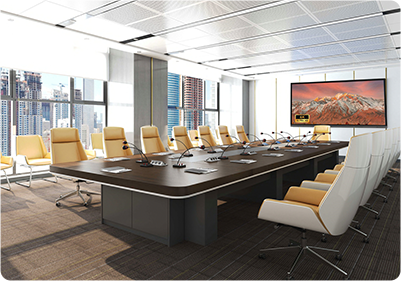
MT series indoor LED screens work well in showrooms and control rooms. They deliver better depth for promotional videos and digital art.
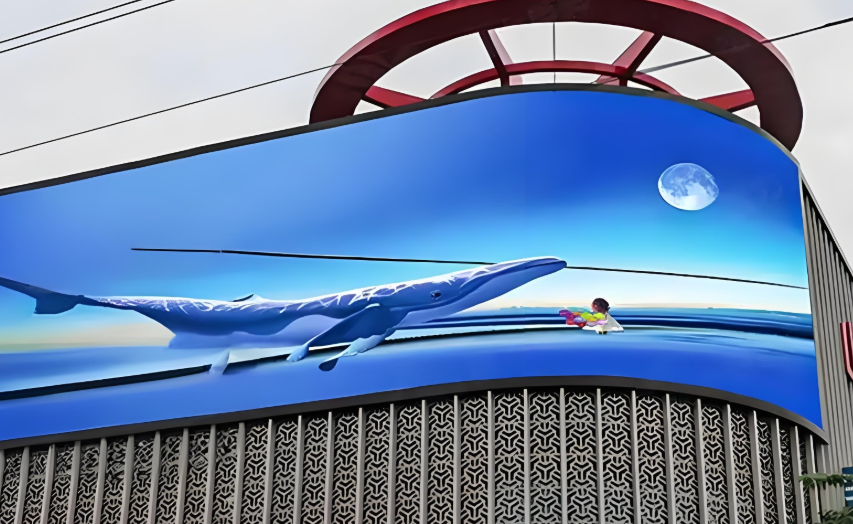
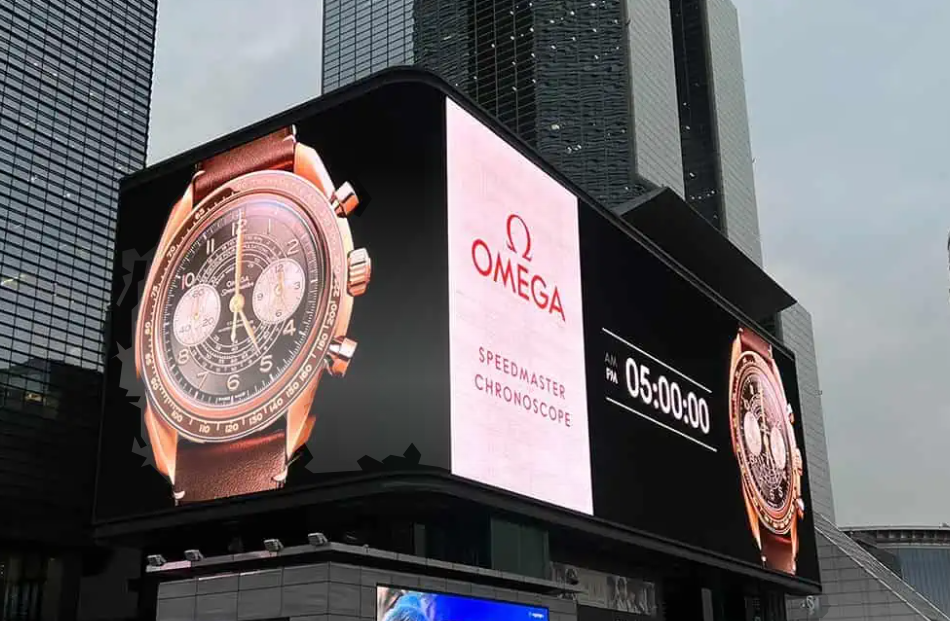
In addition, the xR virtual filming screen, the naked-eye 3D LED poster displays, STH-Pro holographic transparent LED screens, and circular creative screens all support HDR. Whether used in shopping mall storefronts, high-end retail stores, cultural and tourism lighting projects, or live broadcasts at sports venues, these models ensure that advertising visuals are vibrant and eye-catching, even when viewed from a distance.
Key Requirement: What You Need to Achieve HDR Effects
HDR effects cannot work with the screen alone. Three elements must match:
- HDR source content,
- compatible sending controller,
- an HDR-capable LED display.
However, if your video source is SDR, you will only get SDR visuals even with Milestrong HDR-ready panels.
Project Selection: SDR or HDR?
Choose SDR if your content is mainly text, images and regular short clips. It delivers stable performance with simple setup. Therefore, pick Milestrong HDR-supported led displays for commercial ads, stage events, and high-end showrooms, when you want more immersive visuals.
Conclusion
SDR handles basic display tasks with strong content compatibility. HDR reproduces natural light and shadow for immersive viewing. Milestrong can recommend a proper LED display solution based on your application, content type and project budget.