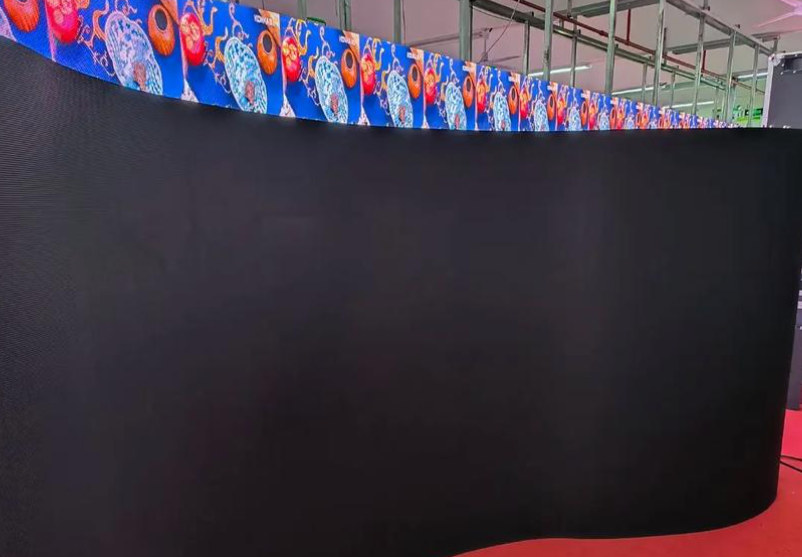


When purchasing LED displays, people often focus on parameters such as pixel pitch and brightness, easily overlooking the equally important parameter– the viewing angle. In actual use, the viewing angle affects the viewing experience and applicable scenarios. This article will discuss the meaning, uses, and advantages and disadvantages of different viewing angles for LED displays.
What Does Viewing Angle Mean for an LED Display?
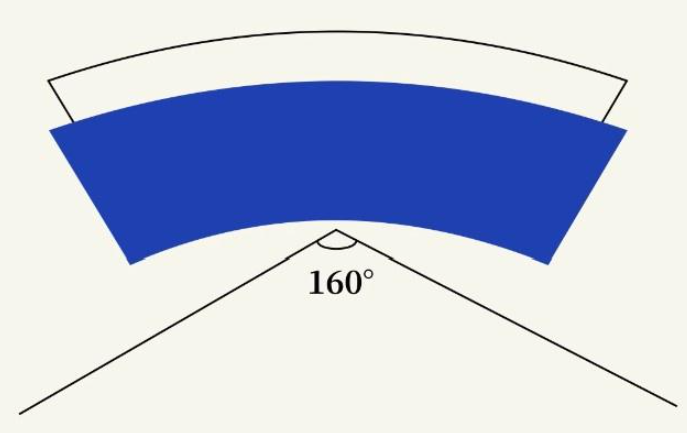
The viewing angle of an LED display refers to the maximum range of angles within which viewers can clearly see the screen’s content without any noticeable loss of brightness or color. In the industry, viewing angles are typically specified in two dimensions: horizontal and vertical. For example, a common specification is 160°/140°, where the former represents the horizontal viewing angle and the latter represents the vertical viewing angle.
This angle is not a fixed value.It’s closely related to the packaging technology of the LED chips and the lens design.The wider the viewing angle, the larger the area from which the screen can be viewed clearly.
Why the Viewing Angle Is Important to an LED Display?
The core purpose of the viewing angle is to ensure a consistent viewing experience for viewers in different positions. This is reflected in three aspects:
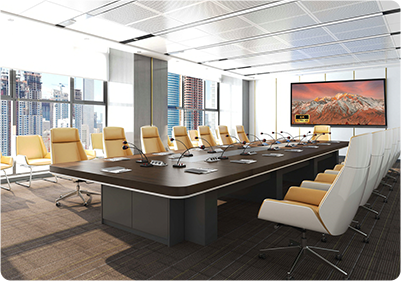
- It expands the viewing coverage. In scenarios such as shopping malls, train stations, and conference rooms, viewers are distributed in different locations. A wide viewing angle allows more people to clearly see the screen content, avoiding the problem of “clear view from the front, but unclear view from the side”.
- It ensures image consistency. A good viewing angle design ensures that the screen maintains stable color reproduction and brightness uniformity within the visible range, without color distortion or vignetting.
- It adapts to diverse installation scenarios. Whether it’s a pillar screen, a hanging screen, or a wall-mounted screen, a suitable viewing angle can match the corresponding viewing needs, enhancing the screen’s usability.
Advantages and Disadvantages of Different Viewing Angles
Currently, LED display viewing angles are mainly divided into two categories: standard viewing angle (120°-140°) and wide viewing angle (150°-170°). Each has its own advantages and disadvantages, and is suitable for different scenarios:
Standard Viewing Angle (120°–140°)
- Advantages : Standard viewing angle has lower cost and relatively low power consumption. It is suitable for scenarios with a fixed viewing area and a concentrated audience, such as indoor conference rooms and small exhibition halls.
- Disadvantages: A limited viewing area and a poor viewing experience from the sides. These make it unsuitable for public settings with heavy foot traffic and dispersed viewing angles.
Wide Viewing Angle (150°-170°)
- Advantage : It has wide viewing range and strong image consistency, which can meet the needs of multi-directional viewing and is suitable for scenarios such as shopping mall atrium, outdoor advertising, and large venues.
- Disadvantage :The cost is relatively high and the requirements for LED chip packaging technology are more stringent. If the technology is not up to standard, there may be problems with edge brightness attenuation.
Summary
The viewing angle of an LED display is also a very important parameter, as it directly affects the viewing experience and the scenarios in which the screen can be used.When selecting an LED display, you should choose appropriate viewing angle specifications based on the viewing range and audience distribution of your specific application.
Paying attention to viewing angle specifications ensures that the LED display performs at its best, delivering a superior visual experience to users. If you have any questions about viewing angle specifications while selecting an LED display, please feel free to contact us at any time.We will provide you with professional recommendations for selecting the right model.