
InfoComm 2026: The Shift Matters More Than the New Products
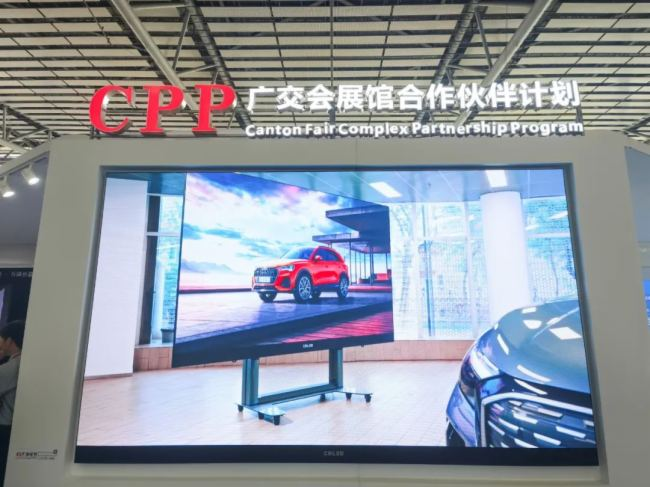
InfoComm 2026 has just come to an end, and it remains one of the most popular events in the professional audiovisual industry. Compared to previous years, one signal stood out clearly at this year’s show: the competitive focus of the LED display industry is shifting.
In the past, manufacturers competed primarily on pixel pitch and image quality. This year, from commercial LED displays and digital signage to control rooms and retail spaces, more and more companies were emphasizing operational efficiency, intelligent management, and long-term running costs. AI, cloud platforms, remote management, and energy-efficient design appeared across a lot of exhibitor booths, which reveals that the industry is moving from pure hardware competition toward complete solution competition.
At the same time, market pressure is building. The latest Omdia data shows that global LED display shipment volume grew 0.6% year-on-year in Q1 2026, while market revenue fell 2.3% over the same period. The industry is still growing, but pricing competition is intensifying. Companies need to find new sources of value.
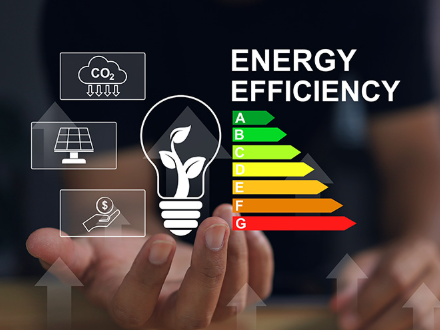
Energy Efficiency Is Influencing More Purchasing Decisions
Why are more buyers paying attention to energy efficiency? The answer is not complicated.
LED displays are no longer limited to large advertising screens. They are increasingly deployed in transportation hubs, commercial complexes, sports venues, corporate offices, and smart city infrastructure. Many of these installations run continuously for twelve hours a day or more.
For operators, the real cost of an LED display is not the purchase price. It is the Total Cost of Ownership (TCO) over five to ten years. In other words, electricity consumption, cooling costs, maintenance frequency, and equipment reliability all directly affect project returns.
At InfoComm 2026, multiple international manufacturers highlighted software management, remote operations, energy optimization, and system integration — not just display hardware. That shift reflects where industry competition is heading: toward operational efficiency.
Sports Venues Are Leading the Way
Large-scale sports events have provided real-world evidence for this trend.
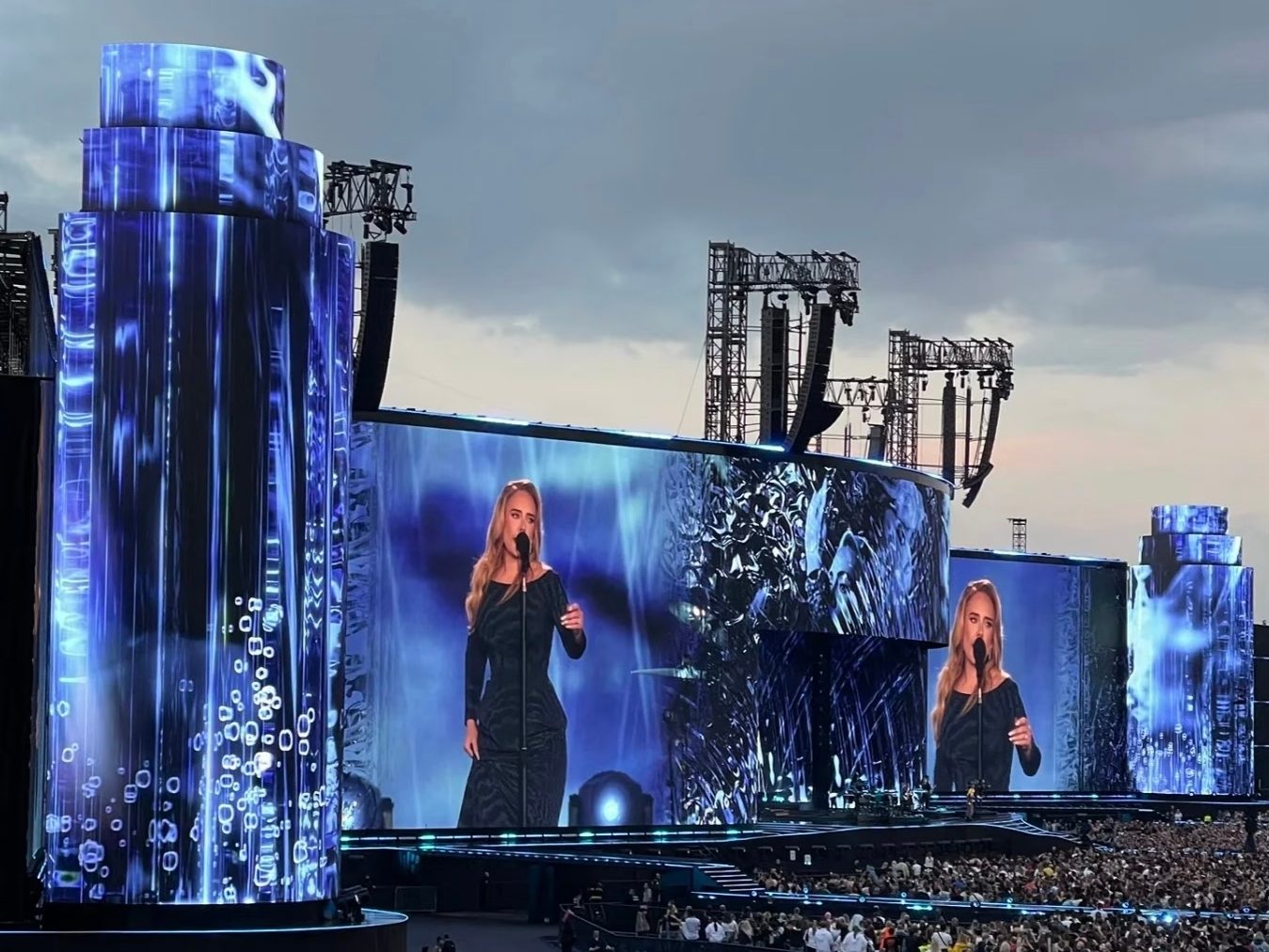
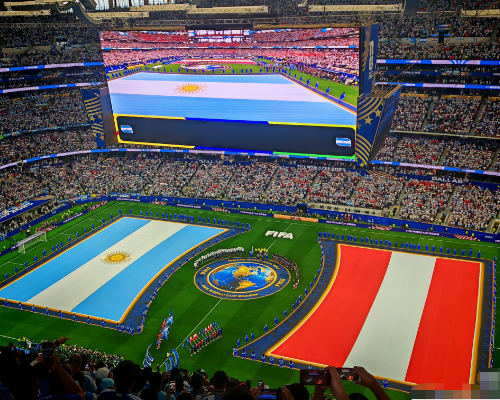
Major sporting events, including the FIFA World Cup, professional leagues, and large-scale concerts, are accelerating investment in stadium display infrastructure. LED display systems are now expected to do far more than broadcast live content.
This shift is already visible in North America. Many stadiums have upgraded their LED display networks not only to enhance the spectator experience, but also to improve operational efficiency. Since these venues often run displays for extended hours, reducing energy consumption and minimizing maintenance have become key considerations alongside image quality.
Tech Upgrades: Beyond Power Consumption
The development of energy-saving LED displays is not simply about reducing brightness.
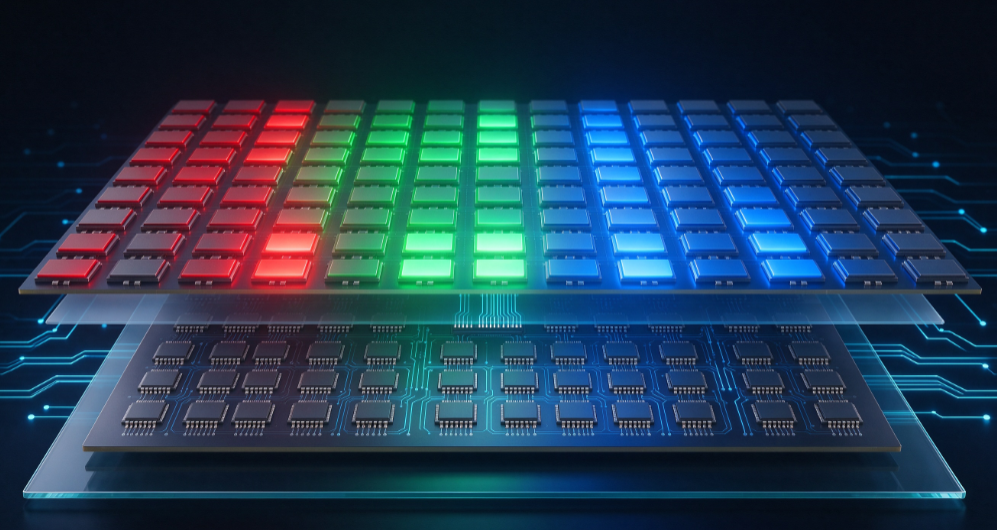
Advances in COB, MIP, and Micro LED packaging have improved light efficiency, while innovations such as common-cathode architecture, intelligent power management, and remote monitoring help reduce energy consumption throughout daily operation.
What really makes a difference is system-level optimization. For example, smart control systems can automatically adjust display strategies based on ambient light. Remote operation and maintenance platforms can detect issues early, reducing the need for on-site service. AI content management can schedule playback based on different time periods, improving operational efficiency.
MileStrong is responding to new market demands
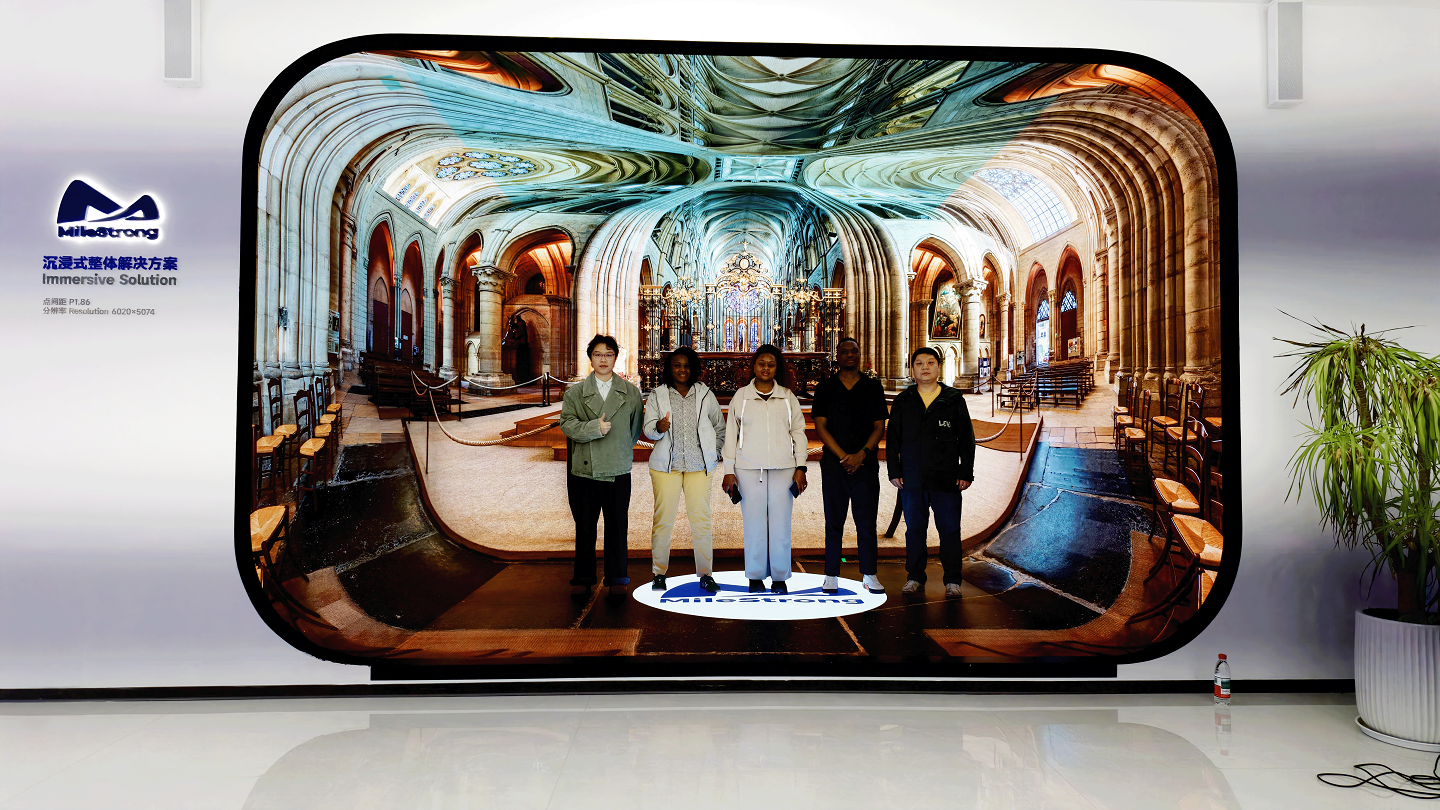
As global procurement shifts from buying a screen to operating a full system, LED display products need to balance performance, energy efficiency, and long-term maintenance. In response, MileStrong continues to improve energy-saving designs across its product lines. Multiple series now feature common-cathode technology, smart control systems, and modular structures. These help customers cut long-term energy use and maintenance costs.
Going forward, energy efficiency will no longer be just a product spec. It will become a key measure of a display system’s overall competitiveness. For global buyers, choosing a solution that delivers strong visual performance, operational efficiency, and long-term value will be an increasingly smart decision.