
Las Vegas Sphere Bring LED Displays Into Architectural Design
In 2025, the continued operation of Las Vegas Sphere has drawn fresh attention from the global architecture industry to the value of digital media façades. (Note: Digital media facades refer to the ability to dynamically display content on a building’s exterior using LED display technology. )
This case is influencing the design direction of more commercial properties and urban spaces. Shopping malls, cultural tourism projects, city landmarks, and high-end commercial buildings are re-evaluating the value of their exteriors. They want to use media façades and creative LED displays to boost the appeal of their spaces.
For the LED industry, the shift is already happening. The focus is moving from installing a bigger screen to integrating the display system as part of the architectural experience.
Why are Commercial Spaces Starting to Pay More Attention to Digital Media Façades?
The growing demand for digital architecture isn’t just about visual effects. It’s driven by changes in how commercial spaces operate.
In the past, building exteriors mainly served protective and decorative roles. Now, property operators want their buildings to take part in brand communication, event marketing, and visitor interaction.
According to market research from Grand View Research, the global digital signage market is still growing, with commercial retail, transportation facilities, and public spaces as the main application areas. Meanwhile, industry reports from TrendForce show that technologies like fine-pitch LED and Micro LED are pushing LED displays into higher-value applications.
Looking at real-world projects, overseas clients’ needs are changing. More buyers are paying attention to:
- Whether the display system fits the building structure
- Whether content updates are flexible
- Whether long-term operating costs are reasonable
- Whether it can create real business value
What’s really changing is the underlying logic. LED displays are moving from being ad playback tools to becoming part of how a building space is operated.
Las Vegas Sphere Shows the New Value of Digital Architecture
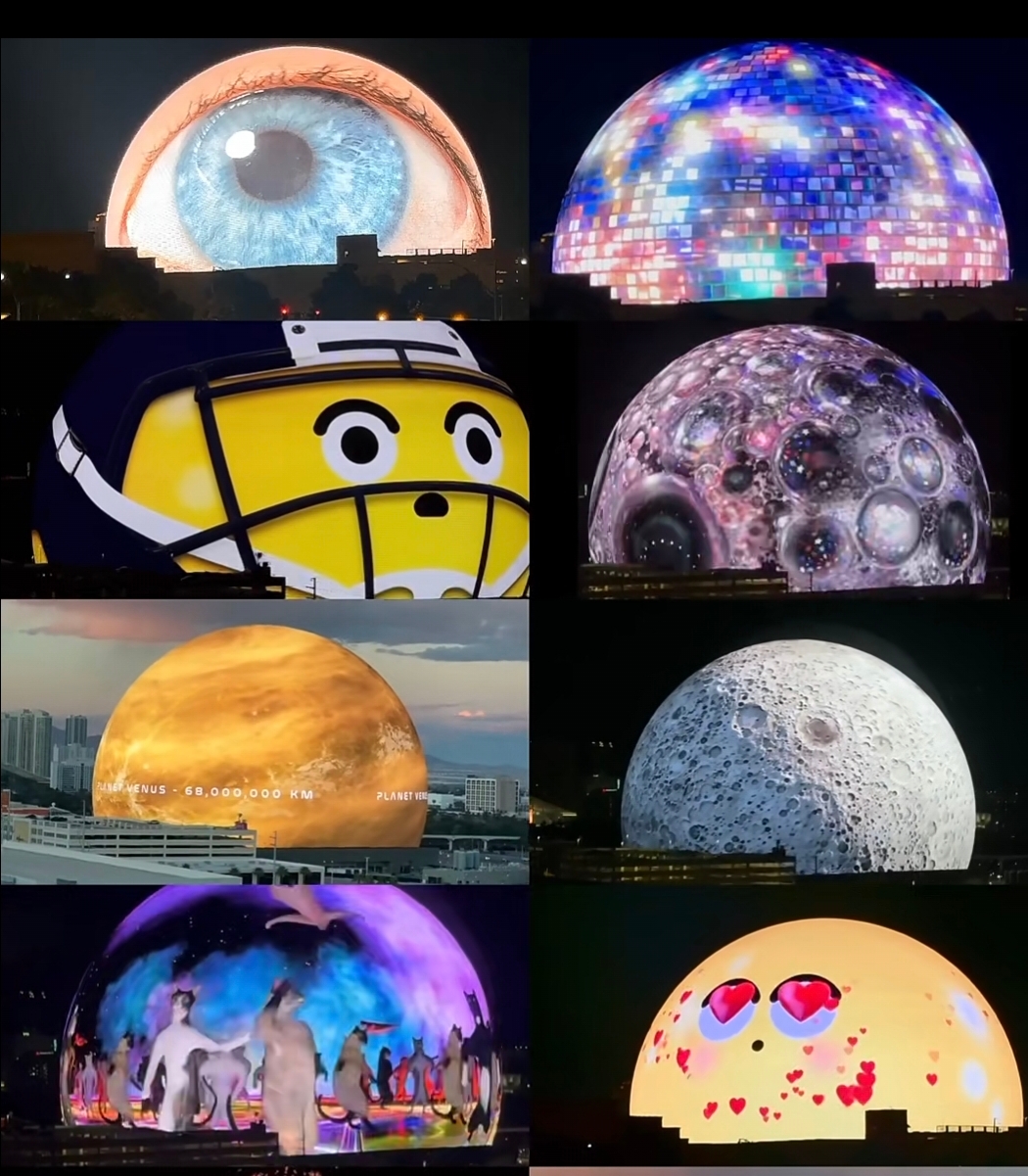
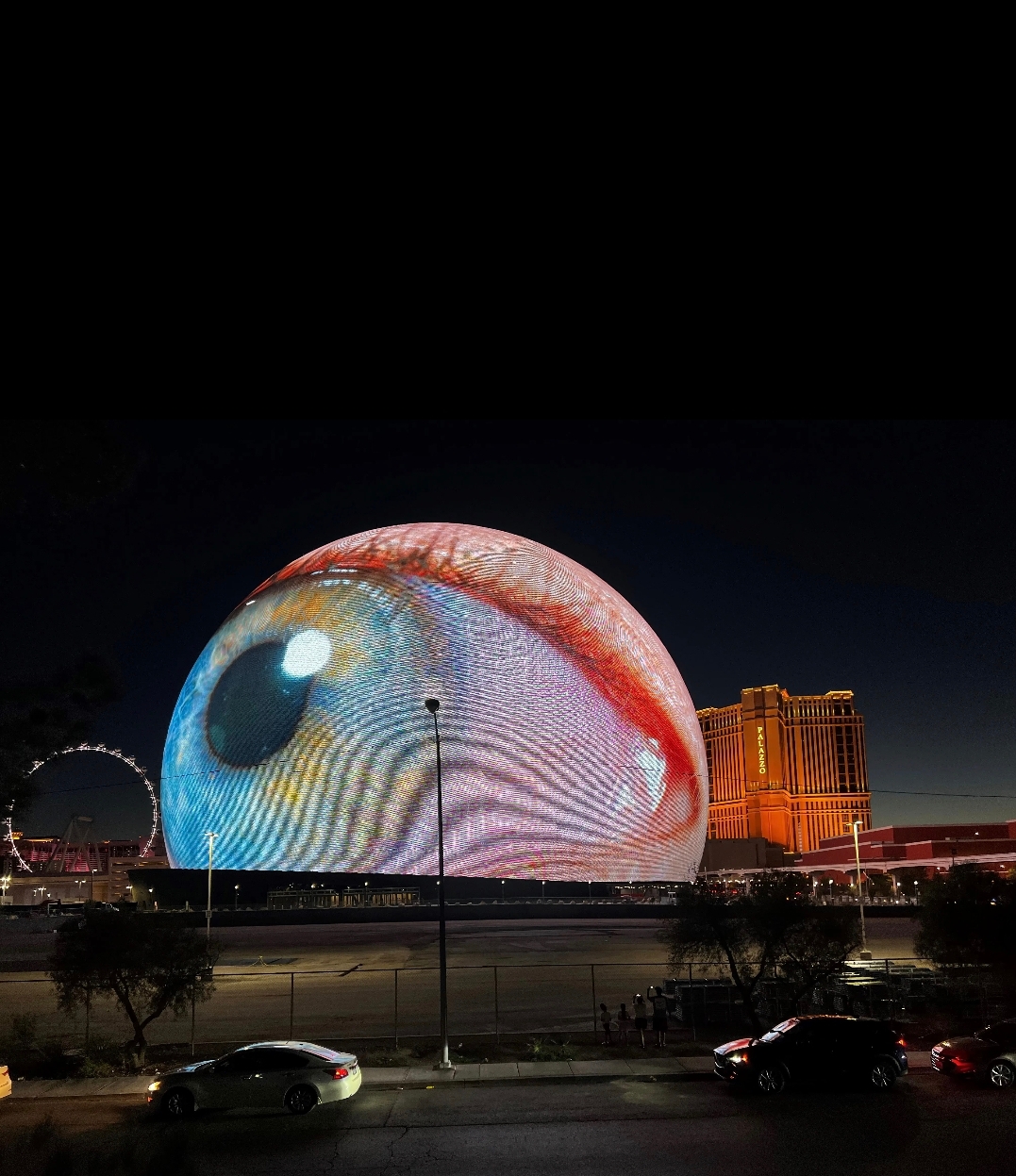
The Sphere in Las Vegas is one of the most iconic LED building applications in recent years.
Using a large LED display system covering its exterior, the entire spherical building can present dynamic visual content. From space-themed scenes to artistic visuals, the Sphere gives its surface the ability to change and communicate continuously.
The impact of this project goes beyond visual spectacle.
For city managers and property operators, digital buildings can strengthen city identity while creating new spaces for content delivery.
Similar ideas are also influencing commercial projects in other regions. For example, New York’s Times Square has long used large outdoor LED display systems for brand communication. Seoul’s COEX K-POP Square uses an ultra-large digital screen to create a cultural showcase space.
These examples show that building façades in the future may not just be physical structures—they could also become important mediums for city information and cultural communication.
LED Suppliers are Taking on More Roles
The development of building digitalization has also changed the procurement logic of LED display projects.
In the past, clients typically sought display equipment suppliers after the building was completed; now, more and more commercial real estate developers, design firms, and engineering companies are considering LED display systems during the project planning phase, hoping that suppliers can participate in structural design, product selection, and post-construction operation plans.
This shift means LED display companies are expected to do more than manufacture products. They also need to support more complex projects from planning to installation. To meet this demand, MileStrong focuses on media façade, creative LED display, and transparent LED display. The company provides display solutions for commercial buildings, city landmarks, retail spaces, and public areas.
For example, Transparent LED Displays help maintain the openness of glass façades while adding digital content. Creative LED Displays can fit different building shapes and architectural designs.