
The display industry is currently undergoing the most dramatic transformation it has seen in decades. LED screens are no longer merely passive devices. They are evolving into intelligent, flexible platforms that respond to their surroundings, generate their own content and integrate seamlessly with AI, robotics and IoT systems.
Micro LED: A Big Step Forward in Display Technology
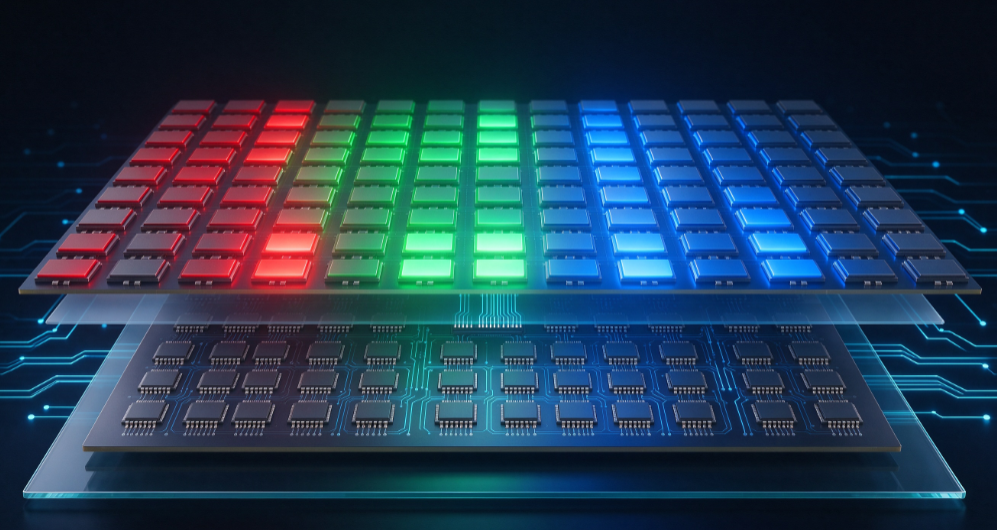
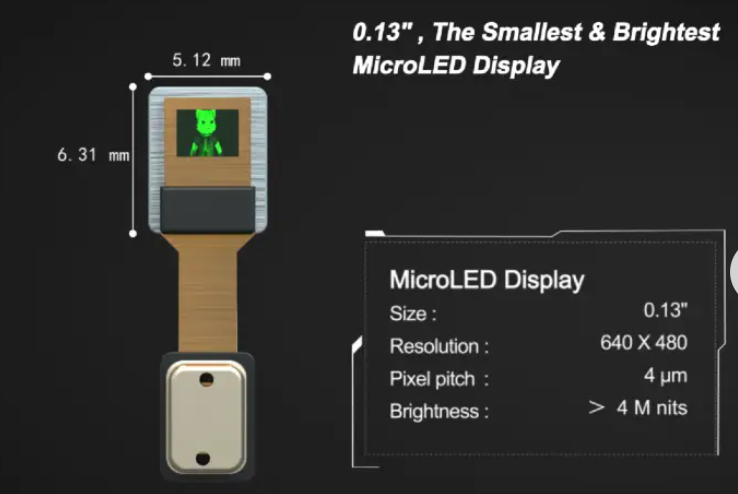
When it comes to micro LED, it may sound like a minor upgrade at first glance, but in reality, it’s far from trivial. Micro LED is a technology that places ultra-fine LED chips—smaller than a human hair—directly onto the surface without the need for a backlight. Since each pixel emits its own light, it delivers sharper image quality, brighter colors, and improved contrast compared to any other product currently on the market.
Who’s Making It
- Samsung unveiled transparent micro LED screens at CES 2024. By 2026, this technology has evolved from concept to practical application and is now installed at the company’s headquarters in Seoul, with plans to introduce it into shopping malls in India.
- AUO announced a 54-inch transparent micro LED panel at CES 2026, which can be connected to create larger displays.
- KAIST published research on a new red-colored micro LED in Nature Electronics in 2026. This LED boasts exceptional brightness that exceeds the human eye’s full visible range.
- Garmin launched the first micro LED smartwatch (the Phoenix 8 Pro) with a brightness of 4,500 nits.
Application Scenarios
| Scenario | Why Choose Micro-LED |
| Luxury retail storefronts | Virtually invisible bezels, premium picture quality |
| Automotive Head-Up Displays (HUD) | Brightness exceeding 120,000 nits — visible even in direct sunlight |
| Smart home window displays | Transparent panels that blend seamlessly with the building’s architecture |
| Museum & cultural installations | No burn-in over years of continuous operation |
| AR/VR headsets | High pixel density and high brightness essential for immersion |
AI-Powered LED: Screens That Think for Themselves
A few years ago, “AI-based displays” were mostly marketing buzz. But that has changed. Today, integrating AI into LED displays allows them to do more than just present visuals. They can recognize their surroundings, generate content autonomously, improve performance, and even issue warnings before equipment fails. The gap between what these systems can achieve and what ordinary displays can do is growing ever wider.
Who’s Making It
- Samsung VXT AI Studio (2026): Simply upload a regular photo, and the AI automatically transforms it into a 3D animated ad, making it usable across all digital screens. Tasks that previously required professional design teams can now be completed by anyone in just minutes.
- Unilumin (October 2025): The company has launched a new joint venture focused on developing AI-powered smart products. Their goal is to move beyond simply selling hardware displays and instead evolve into an “intelligent interactive gateway” capable of recognizing and interacting with people.
- Brightsign: Their new LS/XT Series 5 Player features a built-in AI chip (NPU) that handles all processing within the device. This means screens can analyze audience data in real time without requiring an internet connection, eliminating the need to send video content to the cloud.
- GenoOptic: The company uses AI to monitor screen temperature, pixel status, and energy consumption around the clock. The system helps technicians detect issues early, enabling prompt resolution and preventing sudden malfunctions.
5 Key AI Capabilities
| Capability | Description EN |
| AI Content Generation | Convert static assets to motion video; auto-generate 3D depth |
| Audience Intelligence | Real-time analysis of user attributes (age, gender, dwell time) using the device’s built-in camera |
| Adaptive Brightness | Environmental sensors and AI continuously optimize brightness and colour tone to suit the surrounding conditions |
| Predictive Maintenance | AI monitors thousands of pixels and temperature sensors, issuing alerts several days before a fault occurs |
| Dynamic Personalization | Content is modified in real time based on weather, time of day, crowd density, or viewer profiles |
Glasses-Free 3D: No More Flat Screens
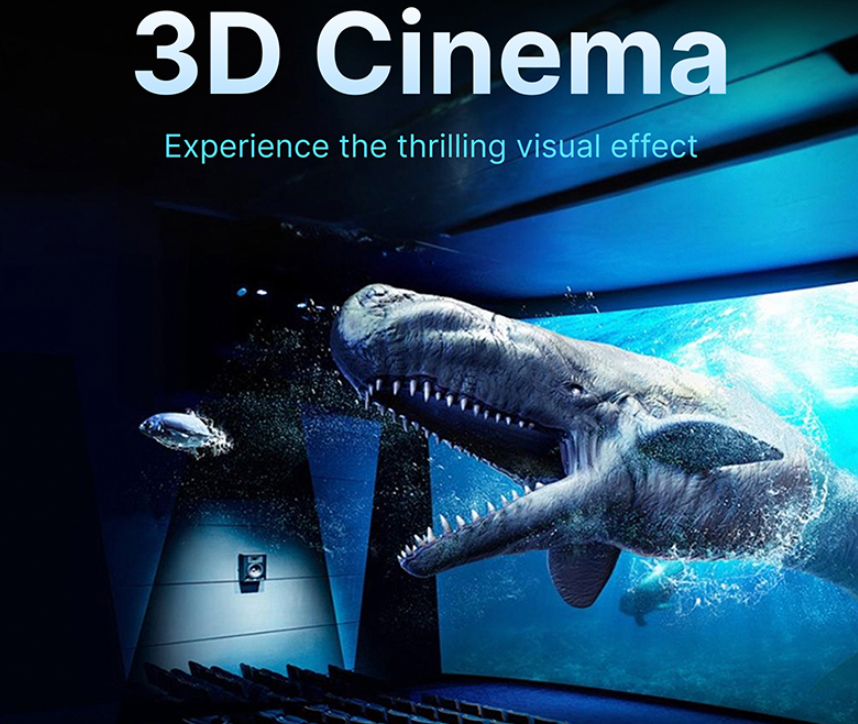
The first reaction of people who see 3D billboards without glasses is to pause and stare blankly. That very reaction is key. These LED screens create a true sense of depth even without glasses, making objects appear to float in midair, spin, or even leap out from the screen. Multiple people can simultaneously view them from various angles.
Who’s Making It
Samsung Space Signage: Launched worldwide at ISE 2026. Featuring Samsung’s proprietary “3D Plate” technology, the 85-inch 4K display in PhotoRoom mode is only 52mm thick and won the 2026 CES Innovation Award. Smaller versions of 32-inch and 55-inch models are also expected to launch soon. 3D signage usable without glasses: Already operational in major cities such as Tokyo Shinjuku and Shanghai, it adjusts real-time 3D depth based on the user’s location using AI.
Immersive LED Architecture: When the Building Becomes the Display
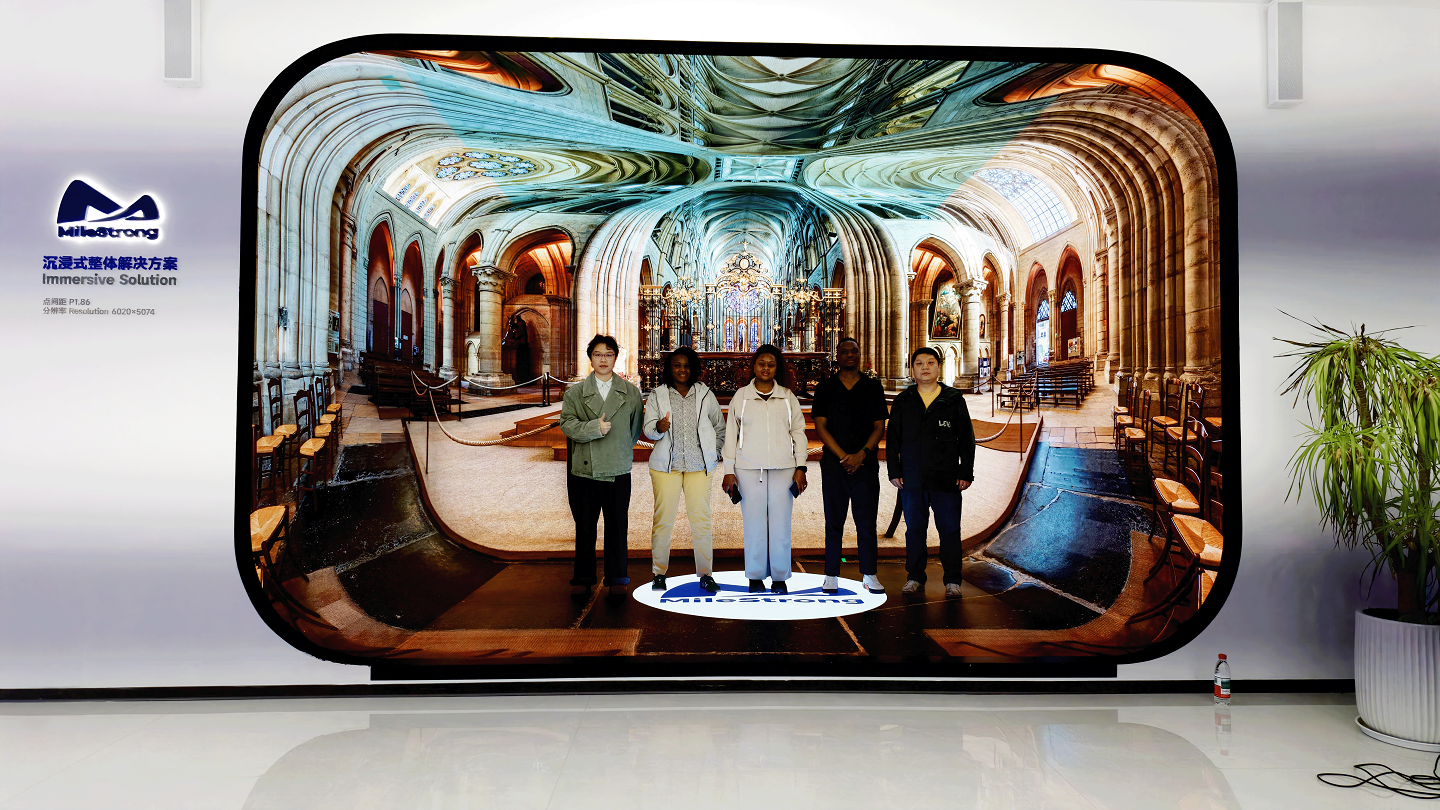
If you want to understand where this technology is truly headed, try setting aside your personal screen for a moment. The MSG Sphere in Las Vegas is the world’s largest spherical building, standing 112 meters tall and 157 meters wide, with its entire exterior serving as an exhibition space. The “Exosphere” is covered with 1.2 million LED devices, each equipped with 48 lighting points, resulting in approximately 57.6 million LEDs in total. Inside, curved ceilings are fitted with 160,000 square feet of LED panels. Artificial intelligence (AI) processes all content in real time at 16K resolution. A special camera system called the “Big Sky” records original 16K circular footage. While this is an extreme example, its direction is clear.
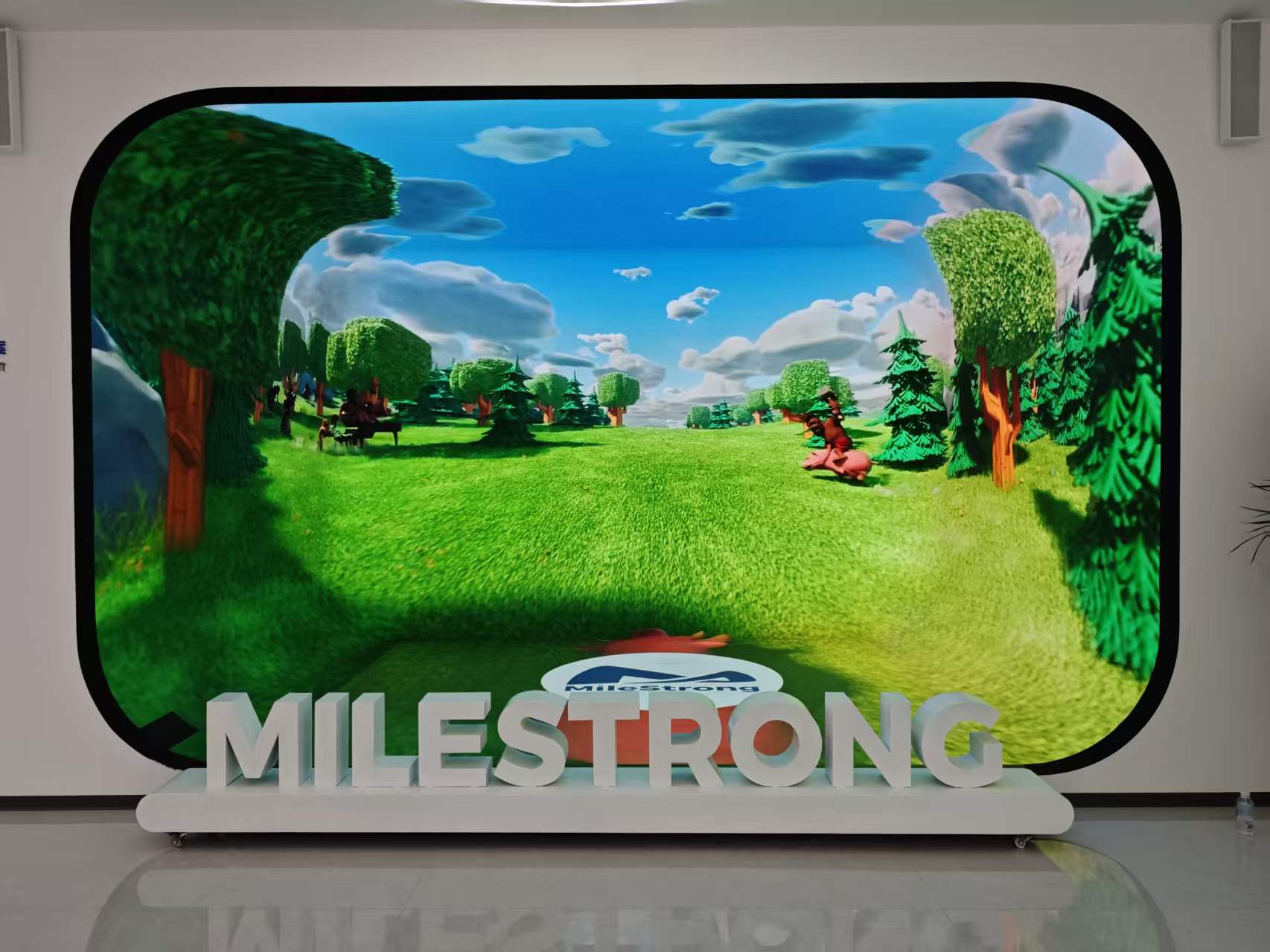
Application Scenarios
- Sports Stadium: 360-degree immersive LED rings and interactive fan zones (to be introduced for the first time at the 2024 Paris Olympics)
- Entertainment Facilities: Concert halls featuring LED panels instead of traditional stage designs
- Corporate Headquarters: Lobby-scale LED displays used as brand promotion and communication spaces
- Flagship Store: Retail spaces where the exhibition display itself becomes a design language
- Urban Public Spaces: City-scale façades dedicated to emergency communications, civic events, and public art
The Convergence: What This Means for the Industry
These technology fields are not developing in parallel, but rather merging together. Companies excelling in this area are no longer seen merely as display hardware manufacturers; they have now established themselves as providers of intelligent visual infrastructure. In other words, they are offering comprehensive systems that go beyond simply delivering screens—instead, they provide cognitive capabilities, content, connectivity, and analysis skills.
As LED display technology advances into a new phase, organizations that develop solutions at the intersection of hardware, artificial intelligence, and spatial experiences—and that understand this convergence—will shape visual infrastructure over the next decade.