

When choosing an LED display, pixel pitch is one of the most critical technical indicators. It directly determines screen clarity, viewing distance, and overall visual performance. For most commercial and indoor scenarios, P2.5 and P3 are the two most widely used specifications. Many clients struggle to tell them apart and select the right model for their projects.
This article explains the differences between P2.5 and P3 pixel pitch. It also analyzes how pixel spacing affects daily viewing effects, helping you make a rational purchase decision.
What Is LED Pixel Pitch?
Pixel pitch refers to the distance between two adjacent LED lamp beads on the screen. The unit is millimeter. For example, P2.5 means the bead spacing is 2.5mm, and P3 means 3mm.
A smaller pixel pitch brings more pixels per square meter. In addition, it delivers higher screen resolution under the same screen size. Therefore, smaller pitch values always correspond to clearer display effects. Many users only focus on screen size while ignoring pixel pitch. In fact, pixel pitch is the core factor that determines whether the screen presents high-quality visuals. Even with a large display size, a relatively large pixel pitch will lead to blurred details and poor viewing experience.
Clarity and Image Detail Performance
The P2.5 screen has a denser pixel arrangement than the P3 screen. It can present richer image details, especially for fine text and high-definition videos. For example, small fonts, delicate patterns and gradient color transitions show smoother effects on P2.5 displays.
However, P3 screens have relatively sparse pixel distribution. When playing ultra-fine content, they may show slight graininess. For conventional videos and large text content, P3 can still present stable and qualified visual effects. In daily commercial use, most promotional videos and banner content do not require extreme ultra-high definition. Thus, P3 displays can fully meet basic visual needs for public display scenarios.
Reasonable Viewing Distance Difference
Viewing distance is greatly affected by pixel pitch. Each LED screen has a minimum viewing distance to avoid seeing obvious particle gaps.
The minimum viewing distance of P2.5 is about 2 meters. It supports close-distance viewing without particle sensation. As a result, it is suitable for scenarios where audiences need to watch the screen closely.
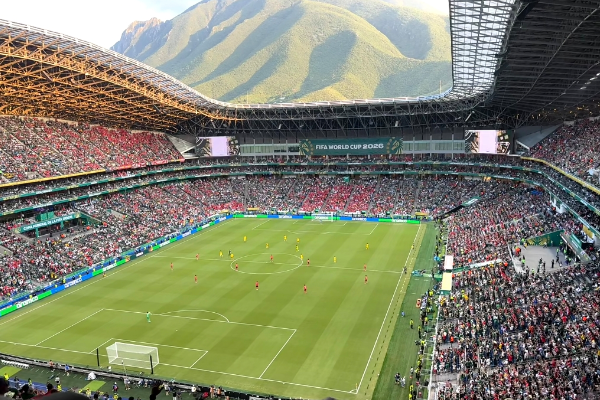
In comparison, P3 requires a minimum viewing distance of about 3 meters. Close viewing will expose tiny pixel gaps. It performs better in medium and long-distance viewing environments. For spaces with wide viewing ranges, audiences will not notice pixel gaps at a normal viewing distance. As a result, P3 screens can deliver smooth and uniform display effects in such scenarios.
Application Scenario Matching
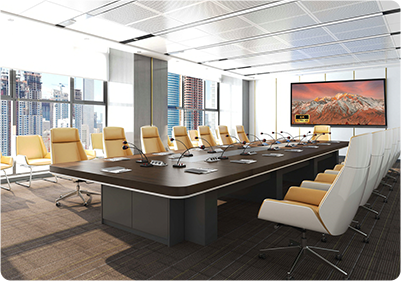
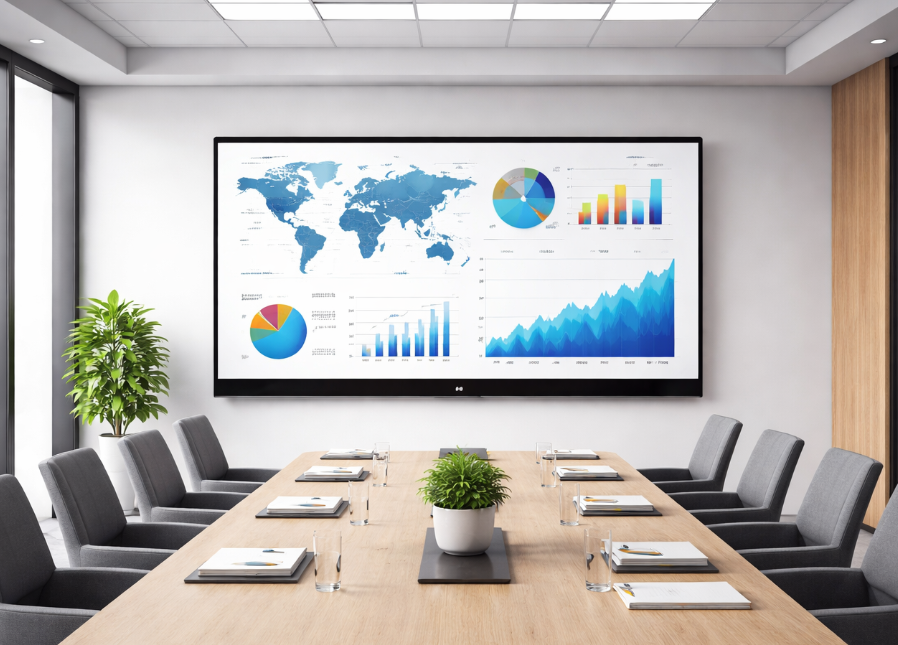
P2.5 is ideal for high-standard indoor scenarios. It fits conference rooms, high-end exhibition halls, studio backgrounds and retail flagship stores. These scenarios require high definition and close-range viewing experience.
For ordinary office lobbies, shopping mall corridors and stage background screens, P3 is a cost-effective choice. It meets daily display needs and controls project costs effectively. In addition, P3 LED screens also feature lower power consumption in long-term operation. For enterprises with long-hour display demands, it can bring stable and energy-saving usage benefits.
Conclusion
In short, smaller pixel pitch equals higher clarity and shorter minimum viewing distance. P2.5 excels in fine display and close viewing, while P3 balances performance and cost for conventional scenarios.
When selecting LED displays, you do not need to pursue the smallest pitch blindly. You can confirm the viewing distance and content requirements first, then choose P2.5 or P3 to achieve the best visual effect and cost balance. For high-end brand display and professional conference scenarios that focus on viewer experience, P2.5 is a more reliable option. For conventional public commercial display and budget-controlled projects, P3 remains a practical and mature solution.