
There are many companies selling LED displays today, including top-tier brands, wholesale manufacturers, trading companies, and local distributors and agents. However, once the actual procurement process begins, many people find themselves unsure of whom to turn to.
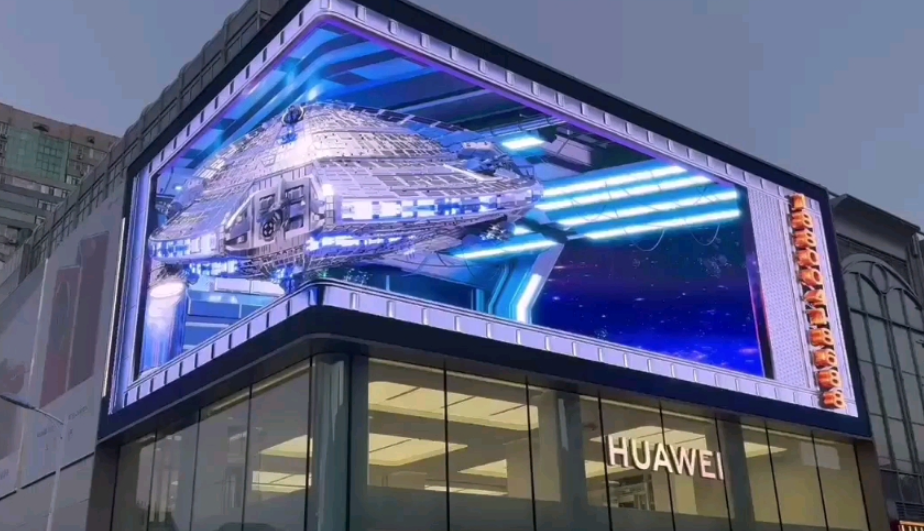
- For creative displays, you must first determine whether there is already a product on the market that can directly bring your concept to life. Below are a few examples; if you find one that meets your needs, it means such a product already exists on the market.
- Transparent LED screens mounted on glass: LED transparent grid screens, transparent crystal film screens, transparent adhesive film screens, and transparent holographic screens. The latter three can be directly applied to glass and customized to fit the glass dimensions, providing a transparent effect.
- Interactive LED screens: Standard touchscreens typically use an infrared bezel. For body-sensing interaction, interactive devices, infrared cameras, and supporting software are required. If specific requirements exist, customization will incur additional costs.
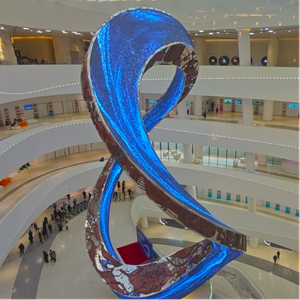
- Custom-shaped LED screens: Any shape—such as bottles, jars, circles, or spheres—can be custom-made, but the cost is high because this requires mold making, which is generally very expensive.
Choosing a Manufacturer: For transparent or custom-shaped screens, there’s no need to specifically seek out so-called “big brands” like Unilumin, Absen, or Lianard, because they don’t manufacture these products themselves—you’re simply paying for the brand name. Also, avoid wholesale-oriented brands like Qiangli and Haijia, as they do not manufacture their own products either; they operate as agents or distributors, essentially reselling goods. So who should you turn to? Look for manufacturers in Shenzhen—ones with actual factories that specialize in producing these specific products, since transparent and custom-shaped screens are a subset of LED displays. Therefore, seek out those with expertise in this field.
1. First, check if they manufacture their own products.
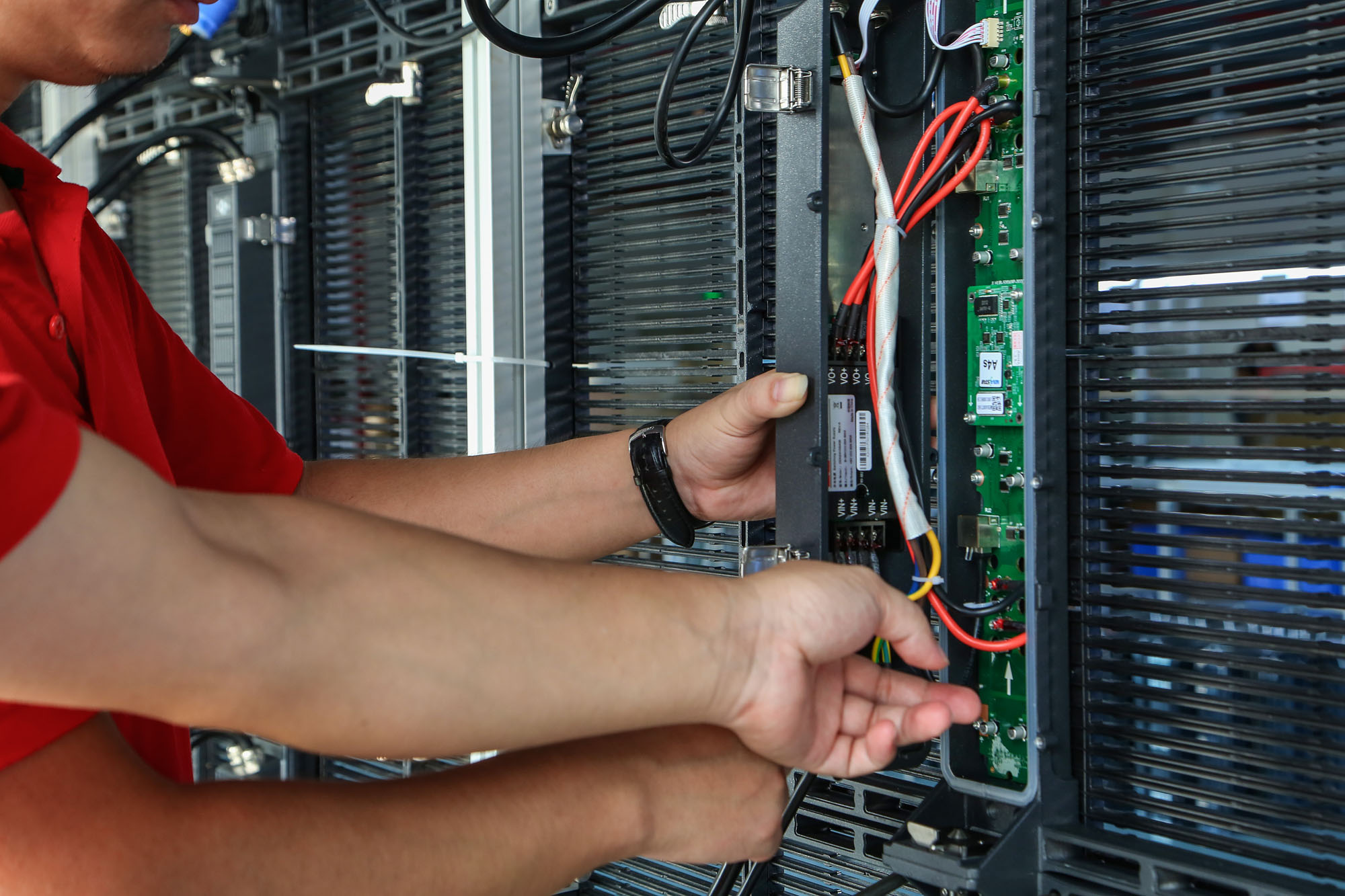
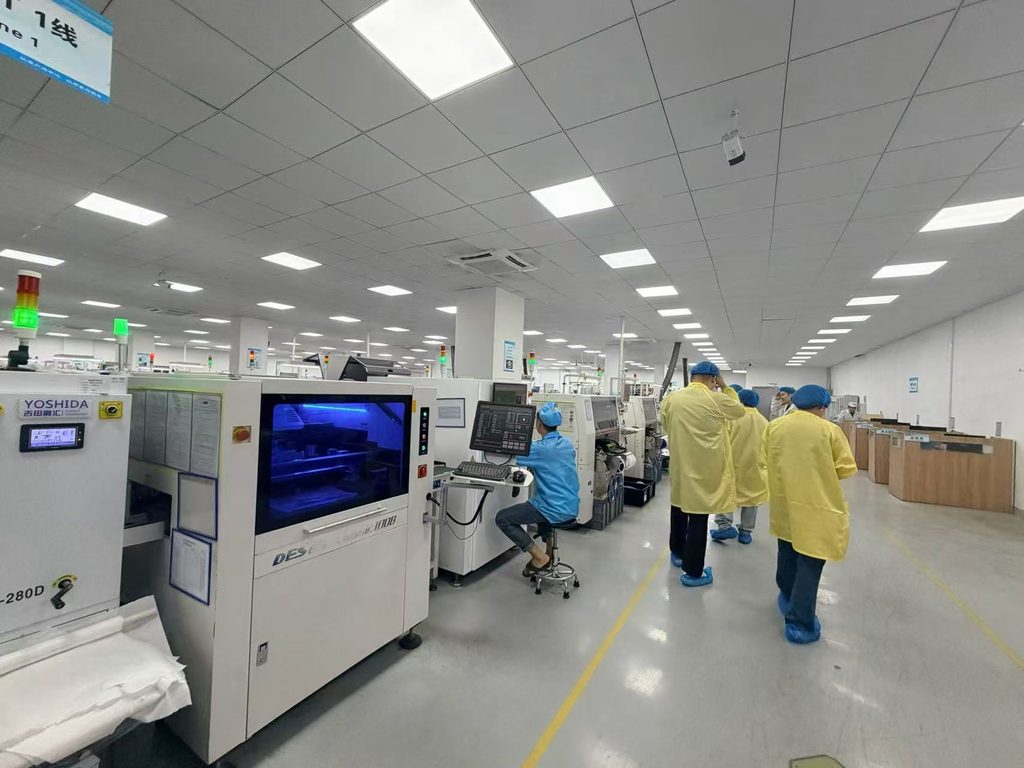
This is actually quite easy to determine. Simply ask, “Can we visit your factory?” If the other party is a genuine manufacturer, the factory itself is the most direct proof.
MileStrong operates a physical factory in Shenzhen. If customers wish to understand the actual production process, they can visit the Shenzhen facility in person. Seeing the production environment, products, and actual manufacturing conditions firsthand is quite different from merely looking at product images. So when purchasing LED displays, it’s better to focus less on promotional materials and more on the factory.
2. Next, examine the products.
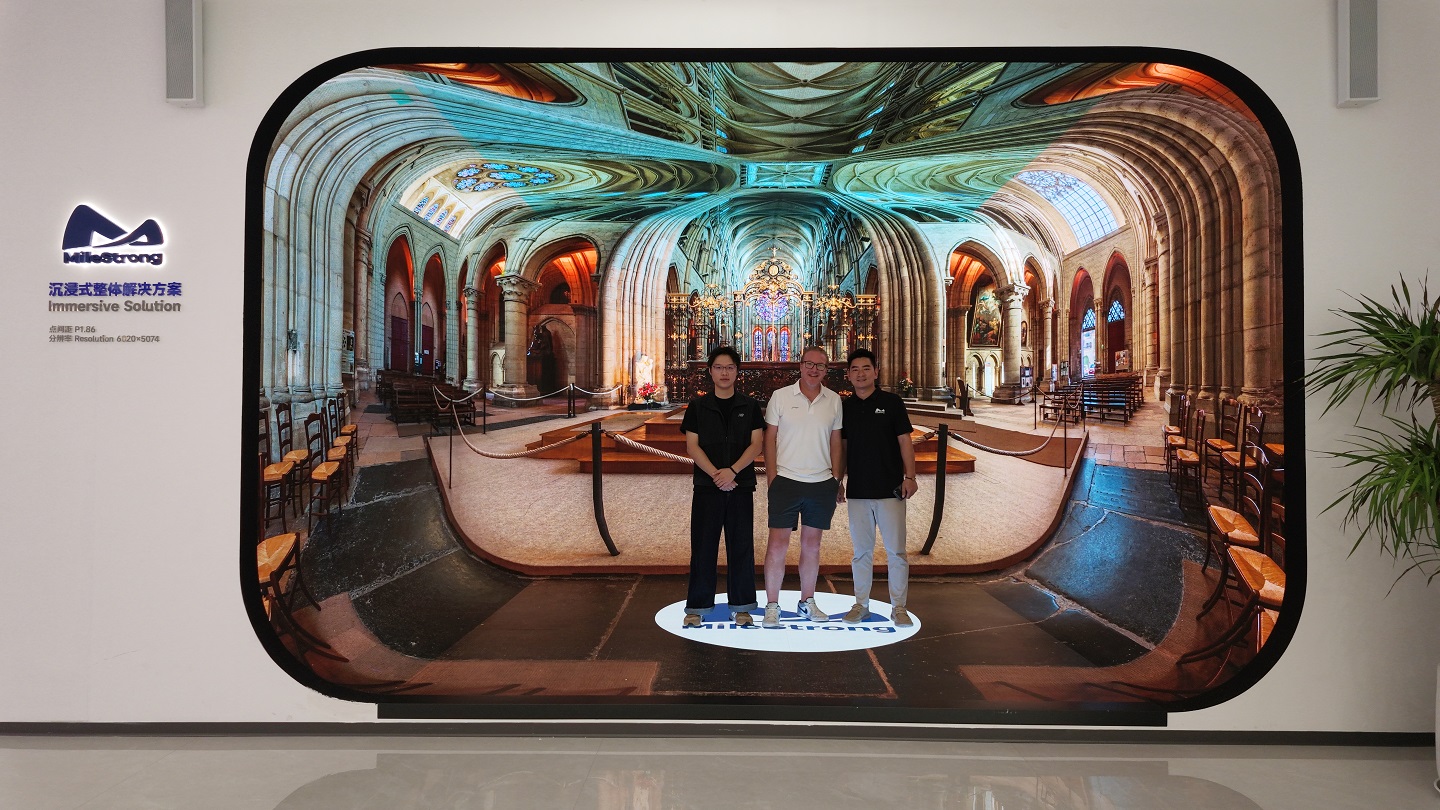
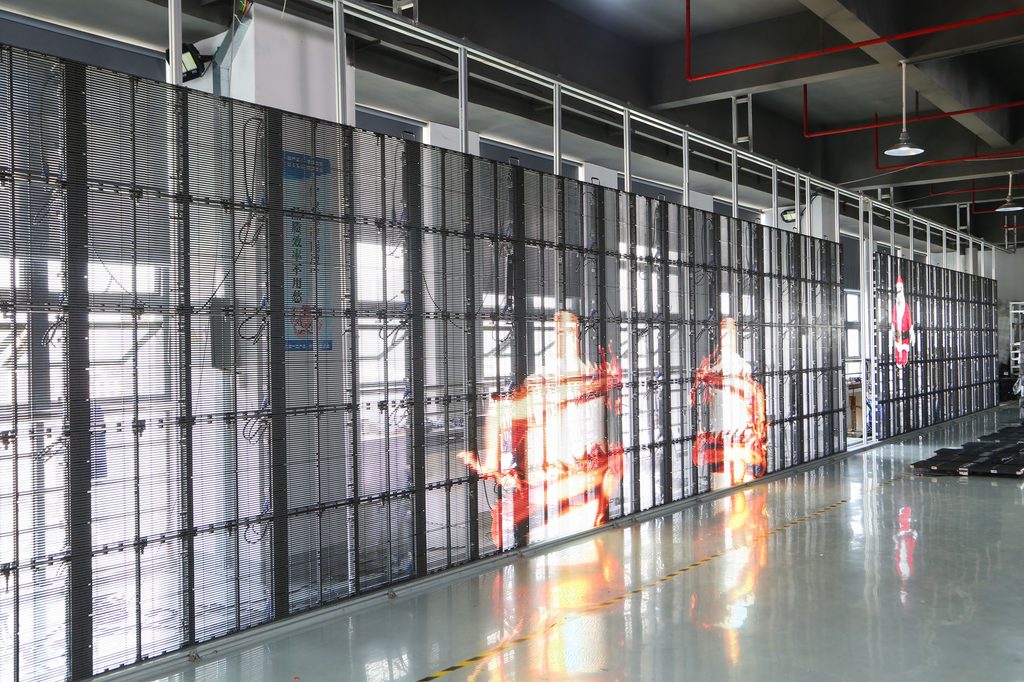
A factory can demonstrate production capacity, but to truly assess the final product, you need to see the actual items. MileStrong’s Changsha headquarters features an LED display experience showroom spanning over 1,000 square meters, where customers can view different types of LED display products in person. This is especially true for products like transparent screens, creative screens, and custom-shaped screens—many details simply can’t be discerned from specifications alone.
- How is the transparency?
- What is the actual display quality like?
- What does the finished structure look like?
A single on-site visit is usually more informative than looking at ten pictures.
3. Finally, there’s one issue that’s easily overlooked: certification.
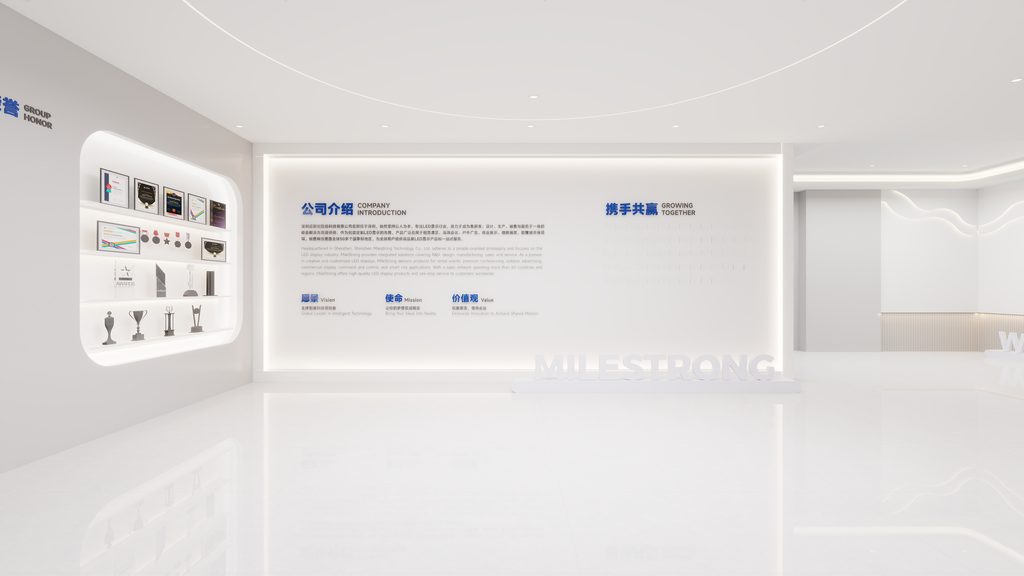
If your project involves exporting or has specific product certification requirements, it’s best to confirm this in advance. Don’t just ask, “Do you have certification?” Instead, ask, “Where can I view the certificates?”
MileStrong’s product certification certificates can be viewed on the official website. Customers can visit www.mile-strong.com to check them directly, rather than relying solely on the manufacturer’s description.
So, when buying an LED display, there’s really no need to overcomplicate things. First, look at the factory; then, look at the product; and finally, check the certifications.
Brands can serve as a reference, but if you’re truly concerned about whether the product can be manufactured, its quality, and whether it can be customized, then a manufacturer with a physical factory, one that allows customers to see the actual product, and one that publicly discloses its certification information may be more worth your time to investigate. This is also a more practical approach to evaluating LED displays than simply comparing a few brand names.