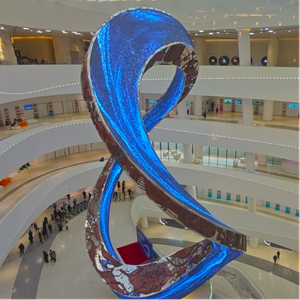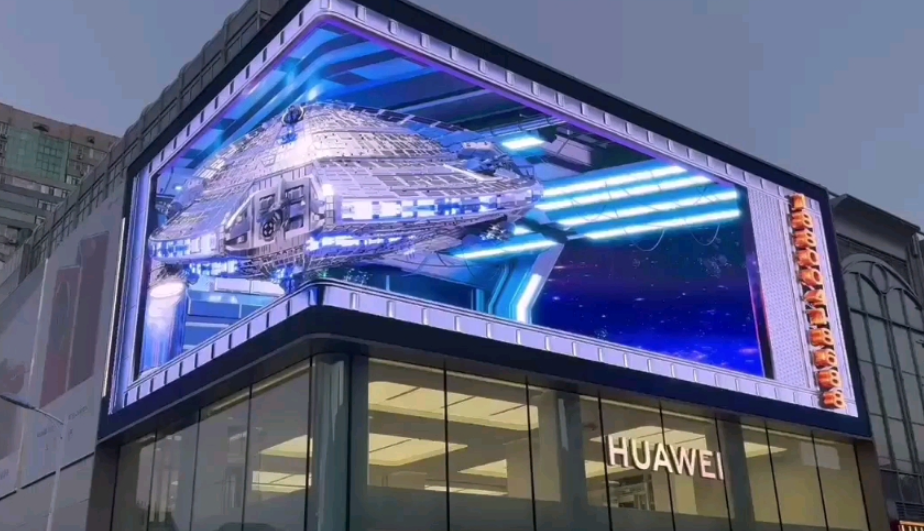

As brick-and-mortar retail places renewed emphasis on the in-store experience, the use of LED displays is evolving towards more flexible and context-sensitive creative formats.
For shopping centres, brand stores, convenience shops and experiential retail spaces, the value of LED displays extends far beyond simply showing advertisements. The shape, size and installation location of the screens, as well as how well they align with customer flow, are now influencing the way information is conveyed and the visual appeal of the store.
This has also driven new application trends for in-store LED displays: screens no longer need to “take up an entire wall”, but can now be integrated into shop windows, shelves, counters, entrances and even product display areas.
From LED poster screens and Rubik’s Cube-style LED displays to spherical screens, can-shaped screens, disc-shaped screens and strip screens, an increasing number of creative LED display solutions are being tailored to different retail scenarios.
Why Are Retail LED Displays Becoming More Application-Specific?
New product launches, limited-time promotions, membership campaigns, product presentations and brand content all require rapid updates in line with operational plans. If you continue to rely on traditional posters and static advertisements, not only will the efficiency of updates be limited, but it will also be difficult to sustain consumers’ attention.
1. LED Poster Screens
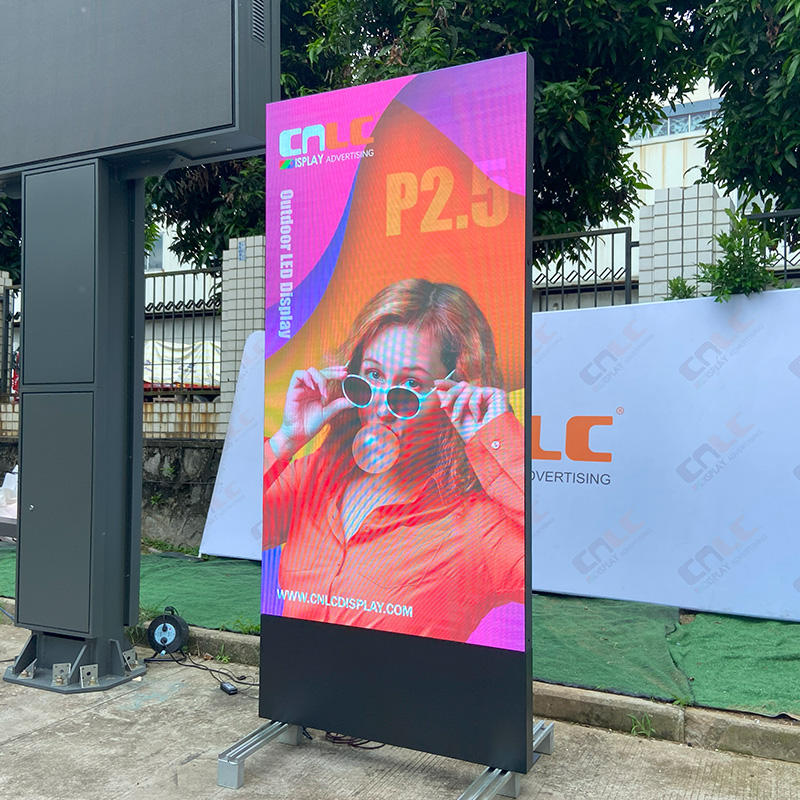
LED poster screens can be regarded as a digital upgrade to traditional paper posters. Their overall dimensions and installation methods are much closer to those of traditional advertising posters, and they can be deployed at entrances, checkouts, beside shelves or on walls.
Compared to traditional printed posters, the most significant change with digital LED posters lies in how content is updated. Shops can change the displayed content in line with promotions, new product launches and festive events, without having to go through the repetitive process of design, printing and manual replacement.
2. Cube LED Displays
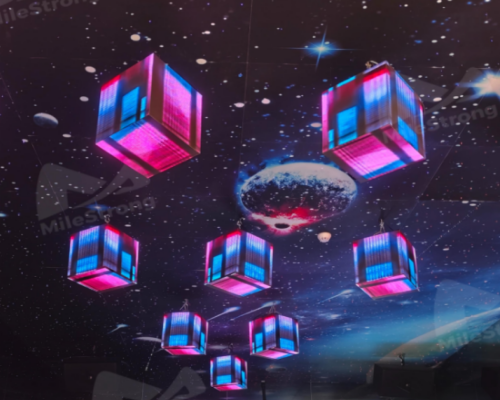
Whilst LED poster screens address the challenge of displaying information in small spaces, cube LED displays focus on creating a visual focal point. By utilising multiple display surfaces to form a three-dimensional structure, cube LED displays can present content from various angles.
3. Sphere LED Displays
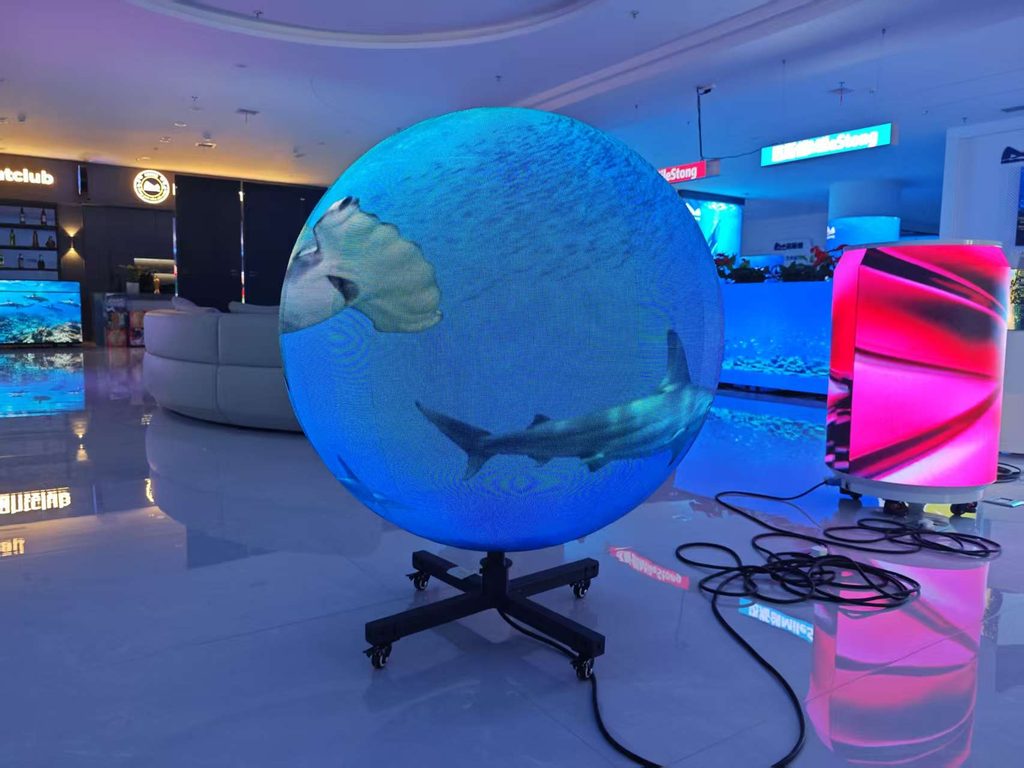
Spherical LED displays represent another typical example of non-standard display solutions. Unlike flat LED screens, their spherical structure allows dynamic content to be presented from multiple angles, making them particularly suitable for open spaces and settings where a visual atmosphere needs to be created.
For projects of this nature, the display effect is not the sole consideration. Installation height, viewing distance, structural load-bearing capacity and maintenance procedures must also be determined during the design phase.
4. LED Can-Shaped Screens
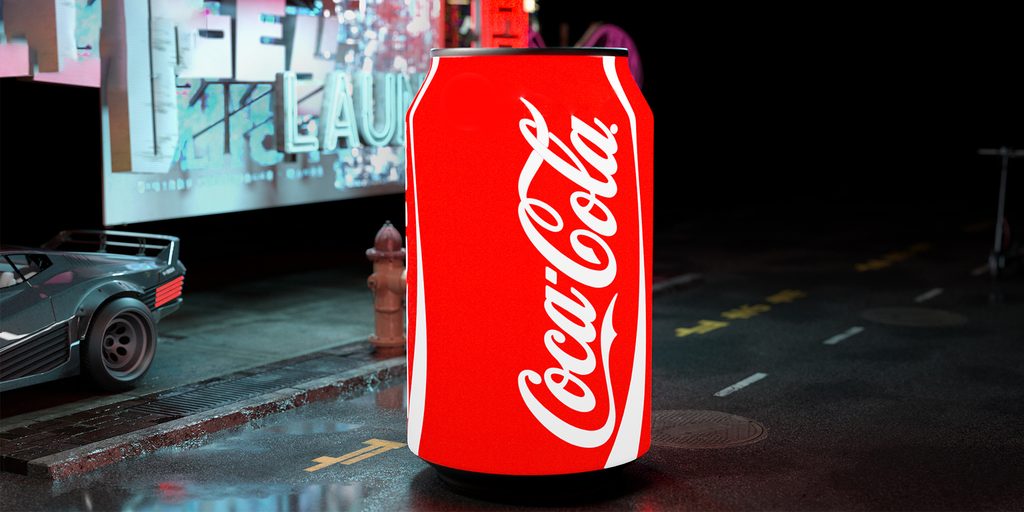
Not all retail outlets require large LED screens. For areas such as shelves, checkouts and product displays, small, creative LED display devices are actually more practical. LED can-shaped screens feature a compact design and can be placed directly on counters, shelves or near product display areas without the need for complex fixed installations.
5. Round LED Screens
Checkout counters, service desks and product enquiry counters are typically where consumers have direct contact with the shop, yet these areas often lack suitable digital display equipment. With their circular, compact design, LED round screens offer a new way of displaying content on tabletops and counters.
Tabletop displays are particularly valuable in shops selling jewellery, eyewear, mobile phones and high-end consumer goods, as consumers tend to linger near the counter for longer periods.
6. Strip LED Screens
There are also numerous spaces within shops with limited width, such as the sides of shelves, the edges of shop windows, the front edges of counters and aisle areas. These locations are generally unsuitable for standard-aspect-ratio LED displays, but are ideal for LED strip screens. Strip screens can be customised in length and aspect ratio to fit the installation space and are used to display text, prices, categorisation information and simple dynamic content.
From Installing a Screen to Designing a Complete Visual Experience
The emergence of these six innovative LED display types reflects more than just changes in product form. A more significant shift is that retail LED displays are moving away from the traditional ‘screen-centred’ approach towards a “scenario-centred” one. When planning LED display systems, retail outlets need to consider the following factors simultaneously:
Space
- Where will the screen be installed?
- On a wall, in a shop window, on a shelf, at a counter, or in an open area?
Viewing Experience
Will consumers view the display from a distance as they pass by, or from close up whilst lingering?
Content
Should full-length advertising videos be played, or should the display show prices, promotions and product information?
Operations
How frequently does the content need to be updated? Is remote management required?
Maintenance
In the event of a fault, can the equipment be quickly dismantled, replaced and reinstalled?
All these factors will directly influence the final LED display solution.
How Is MileStrong Addressing the Demand for Creative Retail Displays?
MileStrong can provide LED display solutions in various formats tailored to the specific requirements of individual outlets, including LED Poster Displays, Magic Cube LED Displays, Sphere LED Displays and other creative LED display products, helping projects select the appropriate display structure based on the actual space available.
For projects requiring non-standard installations, in addition to the visual effect, structural design, installation methods, control systems and ongoing maintenance must also be planned in advance. This is a key distinction between creative LED projects and standard flat-panel LED projects: the screen itself is merely one component of the system, and the final result depends on the overall integration of the display technology with the commercial space.