

Maintenance during the long-time operation directly determines the overall cost of an LED display. When purchasing a screen, many users focus primarily on resolution, brightness, and price, often overlooking the differences resulting from the module mounting method.
The method used to mount the modules is a key factor determining maintenance difficulty. Currently, commercial LED displays utilize either magnetic modules or screw-mounted modules. These two types differ significantly in terms of maintenance efficiency, consumable costs, and the level of technical skill required for servicing.
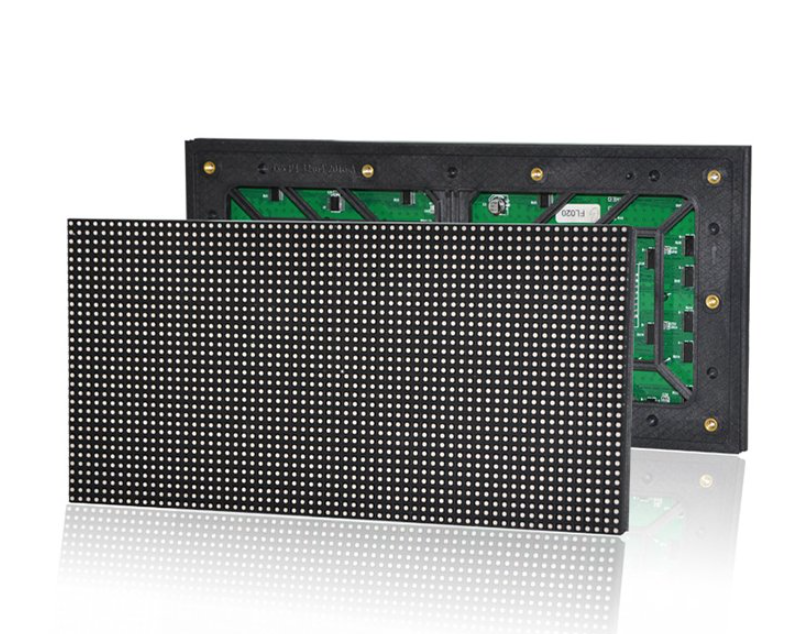
Screw-Mounted Modules
Screw mounting is the traditional installation method for LED displays. It relies on multiple screws to securely fasten the modules to the frame structure, and its stability has been proven over time in the market.
The greatest advantage of this method is its overall sturdiness. Even during long-term outdoor use or in environments with frequent vibrations, it is less prone to module misalignment or loosening, and its waterproof sealing remains more reliable.
However, its maintenance shortcomings are also quite evident. When repairing a faulty module, technicians must use tools such as screwdrivers and wrenches to remove the mounting screws one by one. This significantly increases the risks associated with working at heights. Furthermore, due to the large number of screws, the process of disassembly, realignment, and reassembly is cumbersome, making repairs to a single module time-consuming.
In addition, repeated disassembly and reassembly can easily cause stripped threads and wear on the mounting holes. Over time, the display frame may become loose, potentially affecting the alignment of adjacent modules and leading to issues such as black screens and color discrepancies.
Magnetic Modules
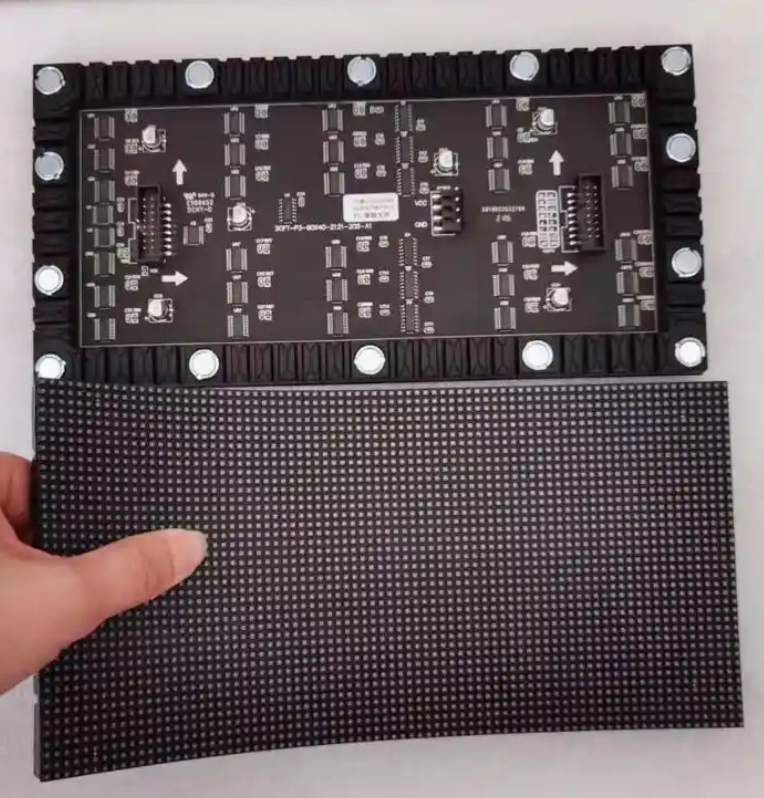
Magnetic modules represent a new type of structural design that has gained popularity in recent years. Moving away from traditional screw-based fastening, these modules rely on strong magnetic attraction to secure themselves in place.
The maintenance advantages are immediately apparent: modules can be removed and reinstalled by hand, requiring no tools whatsoever.
However, magnetic modules are not without their flaws. Alignment precision depends on the quality of the magnetic components; inferior parts may suffer from magnetic degradation over time, potentially causing slight edge lifting of the modules.
Nevertheless, from the perspective of daily operations and maintenance, the benefits far outweigh the drawbacks. Troubleshooting, module replacement, and dust cleaning can all be performed quickly, significantly minimizing equipment downtime.
Key Maintenance Differences
- Installation requirements
Screw-mounted models require professional equipment and experienced technicians, whereas magnetic models are easy for beginners.
- Time efficiency
Magnetic models are 3–5 times faster to set up and secure than screw-mounted models, making them more suitable for trade show display applications.
- Equipment wear
Screw-mounted modules are prone to damaging mounting holes, while magnetic modules incur virtually no wear during assembly or disassembly.
- Stability
Screw-mounted models are better suited for outdoor environments that are exposed to strong winds and vibrations, while magnetic models are best suited for indoor stability.
Selection Recommendations
There is no single best mounting configuration; the choice depends on the specific application.
For outdoor screens, permanent indoor installations, and equipment in sensitive areas, screw-mounted models are preferable to ensure durability and stability.
For showrooms, conference rooms, and indoor retail displays, magnetic mounting models are recommended. This helps reduce long-term maintenance costs and improves troubleshooting efficiency.MileStrong SF series is a typical example of the magnetic attachment module.
Selecting the appropriate mounting method facilitates LED screen maintenance and extends the equipment’s lifespan.