

Introduction
Today, audiences expect more than a good movie. They also expect comfortable spaces, attractive visual environments, and high-quality images. As a result, LED display technology is becoming an important part of modern cinemas.
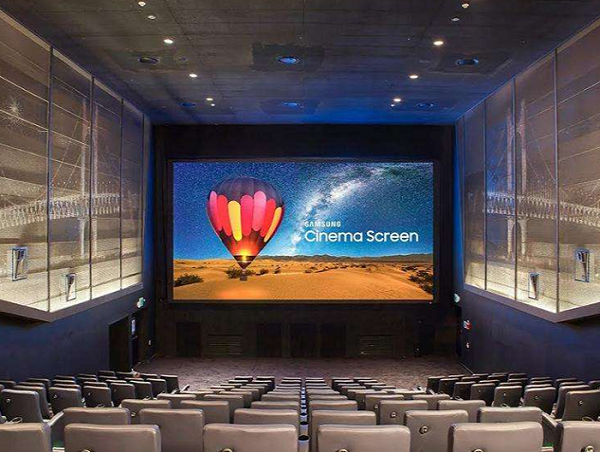
Cinema LED displays can be used in many areas. They can show movie trailers, advertisements, ticket information, brand content, and promotional videos. Compared with traditional projectors and LCD video walls, LED displays offer excellent brightness, seamless images, flexible installation, and long-term reliability.
However, not every LED display is suitable for every cinema.
This guide explains the key factors to help cinema owners and project planners make a better choice.
Choose the Right Pixel Pitch
Pixel pitch is one of the most important factors when selecting a cinema LED display.
Pixel pitch refers to the distance between two LED pixels. A smaller pixel pitch means that the pixels are closer together. This usually creates a sharper image, especially when viewers are sitting close to the screen.
For cinema applications, viewing distance should be considered first. The right pixel pitch should match the actual viewing distance and application.
Fine Pixel Pitch for Close Viewing
Some cinema areas have a short viewing distance. These may include VIP rooms, private screening rooms, reception areas, and premium entertainment spaces.
In these environments, a fine pixel pitch LED display can provide better image detail. It helps reduce visible pixel structure when viewers are close to the screen.
Fine-pitch LED displays are also suitable for content that contains small text, detailed graphics, or high-resolution video.
Large Pixel Pitch for Long Viewing Distances
Large cinema entrance screens and promotional displays may be viewed from a longer distance. In these applications, a larger pixel pitch can often provide sufficient visual performance. It can also help control the overall project cost.
2. Consider Screen Size and Installation Space
Screen size is another important factor.A cinema LED display should fit the available wall or installation area. It should also match the viewing distance and overall interior design.
Before selecting a screen, project planners should consider:
- Wall dimensions
- Ceiling height
- Viewing distance
- Screen aspect ratio
- Installation method
- Interior design
- Access for maintenance
A screen that is too small may not create the expected visual impact. A screen that is too large may affect the balance of the space.
Professional LED display suppliers can provide customized solutions based on the actual installation environment.
3. Pay Attention to Brightness and Image Quality
Brightness is particularly important for cinema LED displays.Unlike outdoor LED advertising screens, indoor cinema environments do not normally require extremely high brightness. Excessive brightness may cause visual discomfort, especially in dark screening environments.The display should provide comfortable brightness while maintaining strong image quality.
Color performance is also important.A cinema screen may display movie trailers, advertising videos, brand content, and high-definition promotional materials. Accurate colors can make these images look more natural and attractive.

4. Check the Installation Method
Different cinema spaces require different installation solutions.
A cinema LED display can be installed on a wall, integrated into a special structure, or designed as part of a customized interior environment.The installation method should be considered before ordering the display.
- A fixed wall-mounted display may be suitable for a permanent cinema lobby.
- A lightweight cabinet design can make installation easier when space is limited.
For special cinema projects, suppliers can also provide customized structures according to the building conditions.
This is especially useful for curved walls, irregular spaces, large promotional screens, and unique architectural designs.
5. Consider Maintenance and Reliability
Commercial cinemas often operate for long hours.Therefore, reliability is essential.
A cinema LED display should provide stable performance during continuous operation. At the same time, maintenance should be simple and efficient.
Important factors include:
- Stable LED components
- Reliable power systems
- Efficient heat management
- Easy module replacement
- Convenient front or rear maintenance
- Long service life
Easy maintenance can reduce downtime.
For cinemas, this is especially important because display problems can affect advertising schedules, customer experiences, and daily operations.
A professional supplier should also provide technical support, installation guidance, and after-sales service when required.
7. Choose a Supplier with Customization Capability
Every cinema project is different.Some projects need a standard LED video wall. Others require a customized screen that fits a special wall or architectural structure.Working with an experienced LED display supplier can make the project easier.
A professional supplier can support different stages of the project, including:
- Product selection
- Project design
- Control system configuration
- Installation guidance
- Content debugging
- Technical support
This type of project support can reduce installation risks and improve the final result.
Conclusion
Choosing the right cinema LED display is not simply about selecting the highest specification.The better approach is to match the display with the actual cinema environment. MileStrong is an expert in LED display solutions with over ten years of experience. If you have any related project needs, we are happy to answer them for you.