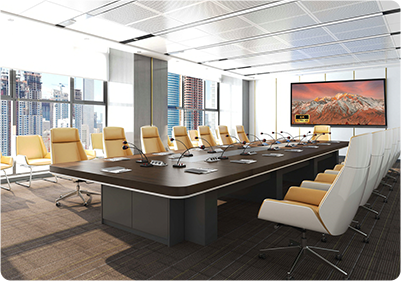


Many users believe that because outdoor LED displays have high protection ratings against water and dust, they can be installed and left unattended. In fact, even the highest protection ratings require regular maintenance. Proper maintenance not only reduces the occurrence of malfunctions ,but also extends the equipment’s service life and lowers long-term repair costs.
Below are several practical maintenance tips for outdoor LED displays.
Focus on Moisture Protection During the Rainy Season
For outdoor LED displays, the biggest “killer” isn’t heavy rain, but prolonged exposure to moisture.
During the rainy season or in coastal areas with high humidity, moisture in the air can easily penetrate the interior of the display cabinet. If the product’s seal integrity deteriorates, it may cause circuit oxidation, moisture damage to the power supply, or even short circuits.
Recommended routine maintenance includes:
- Regularly power on and run the display. Prolonged downtime can cause moisture to accumulate inside the cabinet.the heat generated during operation helps dispel this moisture.
- Check the cabinet’s seals. Regularly inspect the rubber gaskets, seams, and cable entry points, and replace any defective parts promptly.
- Conduct prompt inspections after rain. Pay special attention to whether water has accumulated at the bottom of the enclosure and whether the drain holes are clogged to prevent rainwater from pooling for extended periods.
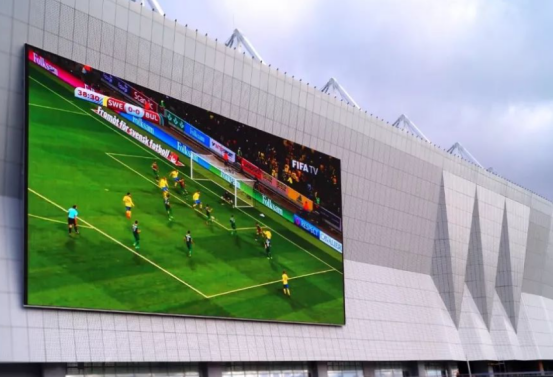
Especially in coastal, high-humidity, and rainy regions, it is recommended to increase the frequency of inspections appropriately and prioritize moisture protection as a key maintenance task.
Pay Special Attention to the Cooling System During Hot Weather
During intense summer heat, the surface temperature of outdoor LED displays can be significantly higher than the surrounding air temperature. If the cooling system malfunctions, the internal components will be exposed to high temperatures for extended periods, which not only affects display quality but may also shorten the product’s service life.
During maintenance, focus on checking the following:
- Whether the cooling fans are operating normally;
- Whether the ventilation openings are clogged with dust;
- If an air-conditioning cooling system is installed, verify that it is functioning properly.
For advertising screens operating full-time, adjust brightness and display duration appropriately based on local climate and actual conditions to reduce heat buildup caused by continuous high-load operation.
Inspect Structures and Fasteners After High Winds
Outdoor LED displays are typically installed on building exteriors, columns, elevated structures, or advertising towers, making them susceptible to high winds. After every period of strong winds, it is recommended to conduct a structural safety inspection, including:
- Checking whether the cabinet mounting screws are loose;
- whether the steel structure shows signs of rust or deformation;
- whether cables are securely fastened;
- and whether external decorative components pose a risk of detachment.
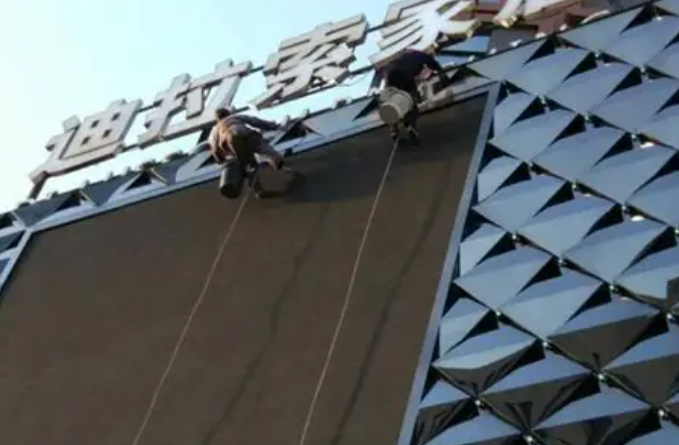
These inspections are not only critical to the stable operation of the equipment but also directly impact overall safety.
Clean Dust Regularly to Ensure Proper Heat Dissipation and Image Quality
Outdoor displays are exposed to large amounts of dust, exhaust fumes, and even oil residue every day.
These contaminants not only affect image brightness but also tend to clog ventilation holes, causing the internal temperature of the enclosure to rise and accelerating the aging of electronic components.
We recommend establishing a regular cleaning routine:
- Wipe the screen surface with a soft, clean cloth.
- Use a low-pressure air blower to remove dust from the ventilation openings, fans, and the interior of the cabinet.
If the screen is installed along roadsides, at construction sites, or in industrial parks, we recommend shortening the cleaning cycle and performing a thorough dust removal once a month if necessary.
Don’t Neglect the Power Supply and Lightning Protection Systems
Outdoor displays are more susceptible to power surges during thunderstorms. A reliable power supply not only protects the display but also reduces equipment failures caused by voltage fluctuations.
Therefore, you should regularly check:
- Whether the grounding system is reliable;
- Whether the surge protectors are functioning properly;
- Whether the power and signal cables are worn out;
- Whether there is moisture or loose wiring inside the distribution box.
Summary
Although outdoor LED displays offer high levels of water and dust resistance, this does not mean you can rest easy once they are installed. What truly determines the service life of the product, aside from its quality, is scientific and standardized daily maintenance. Conducting proper routine inspections not only reduces failure rates and saves on repair costs but also extends the product’s service life, allowing it to generate greater value.