
More Digital Signage Projects: A Different Conversation About Maintenance
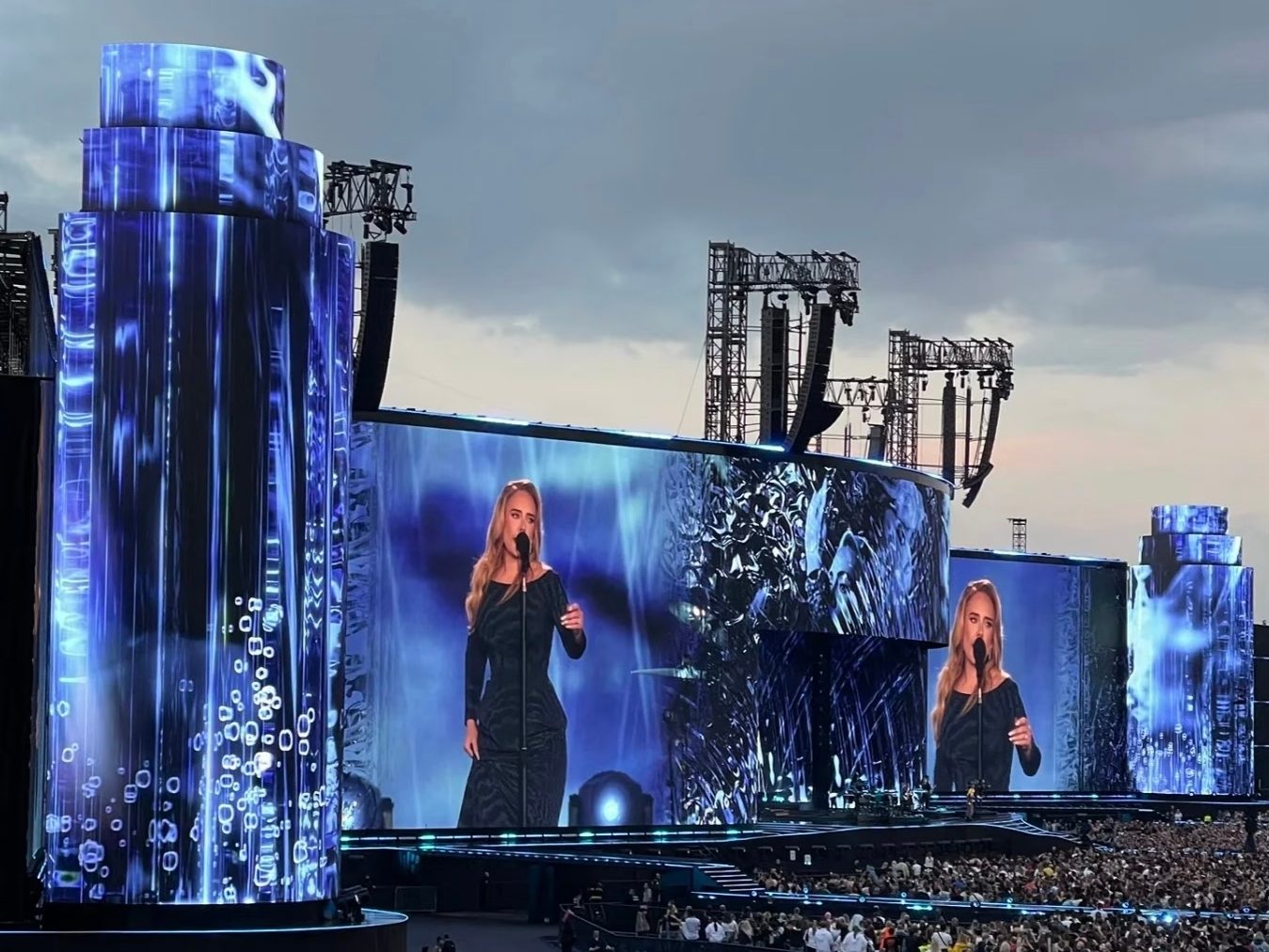
In June this year, the Canadian Out-of-Home Marketing and Measurement Bureau (COMMB) released data showing that Digital Out-of-Home (DOOH) revenue now accounts for more than 60% of Canada’s total outdoor advertising market. So it’s well-known that digital media is one of the fastest-growing segments in commercial advertising. Across North America, the Middle East, and Asia, commercial complexes, airports, and transit hubs are rolling out digital display upgrades, with large LED Video Walls replacing traditional LCD spliced screens in an increasing number of new installations.
What is driving this shift?
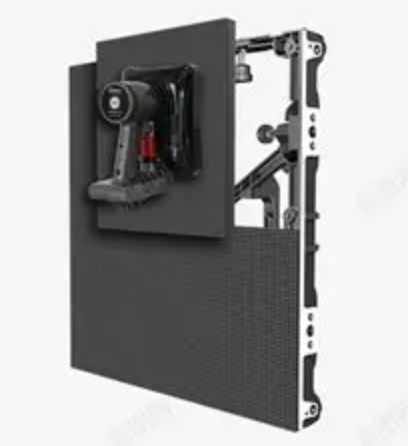
In the past, buyers focused primarily on display quality. Today, the topic they discuss most often is about installation and maintenance. A lot of buildings have less and less available equipment space. Fine Pitch LED Displays and Outdoor LED Displays are now routinely installed directly on walls, columns, and building facades where have little or no access space behind them. In this environment, Front Maintenance is no longer just a product feature. It has become a core requirement in project specification.
What Is Actually Driving Procurement Decisions?
Grand View Research projects that the global digital signage market will continue to grow steadily over the coming years. AVIXA’s industry forecast points that commercial displays and digital signage remain the leading growth categories in the professional AV market.
What has genuinely changed is not LED display technology. It is how clients evaluate project value.
Previously, procurement focused on the one-time equipment cost. Today, commercial complexes, corporate headquarters, and transit hubs are looking at several years of operating costs. When maintaining a display requires removing a decorative wall, erecting scaffolding, or suspending business operations, the cost of that maintenance event can be significant.
Pennsylvania Convention Center: A Real-World Validation
This year, the Pennsylvania Convention Center completed a major digital display network upgrade, deploying a large-scale system across exhibition halls, public areas, and meeting spaces.
The convention center hosts exhibitions and international conferences daily, and its display equipment runs almost continuously. For the operator, the biggest challenge was never installation. It was ongoing maintenance.
With a Front Maintenance LED Display, technicians can replace modules, power supplies, or control units directly from the front of the screen — no wall removal, no dedicated rear access corridor required.
The same requirement is showing up more frequently in airports, shopping centers, corporate headquarters, and control centers. For installations designed to run long-term, maintenance efficiency has become a significant procurement factor.
Front Maintenance Changes the Entire Project Delivery Model
Many buyers think of front maintenance as simply one structural option among several. In practice, it changes the entire logic of how a project is built.
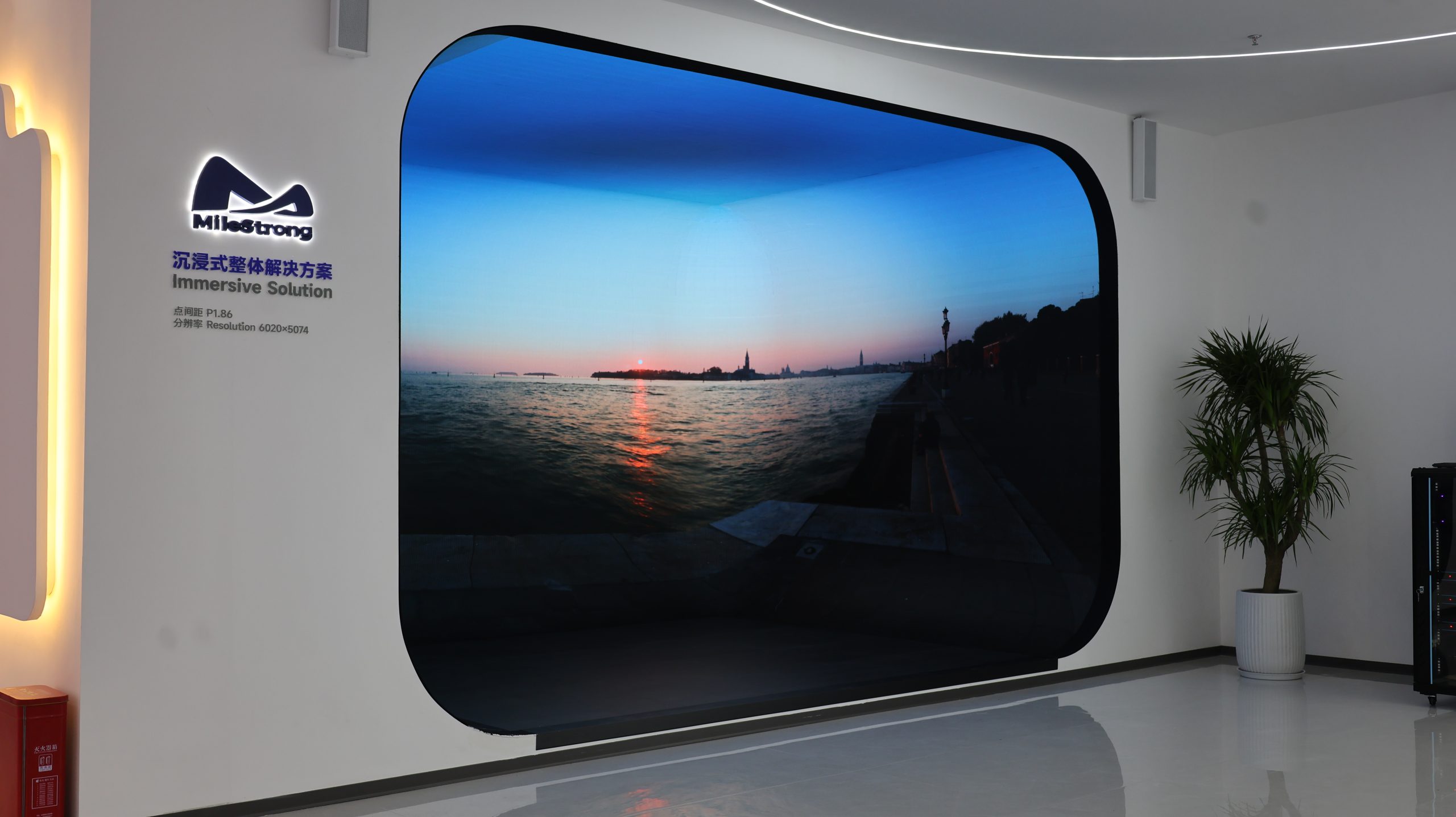
Commercial spaces increasingly demand architectural integration. LED displays need to work alongside interior decoration, glass curtain walls, and even art installations. There is often no space to reserve behind the display for rear access. The traditional rear-maintenance approach is becoming harder to apply.
At the same time, the maturity of COB LED Display technology has made front maintenance solutions more reliable over long operating periods. Modular design combined with remote monitoring systems allows faults to be detected early and resolved quickly on site.
In commercial retail and brand flagship stores, Transparent LED Displays and Creative LED Displays are also adopting front maintenance principles.
From Product Competition to Solution Competition
The LED display industry is entering a new competitive phase. Future procurement standards will give more weight to ease of installation, accessibility for maintenance, and controllable long-term operating costs. Different application environments are starting to match with different product approaches:
- Corporate meeting rooms and control centers are more likely to Fine Pitch All-in-One LED Displays.
- Commercial advertising and media facades are prioritizing Outdoor LED Displays with front maintenance capability.
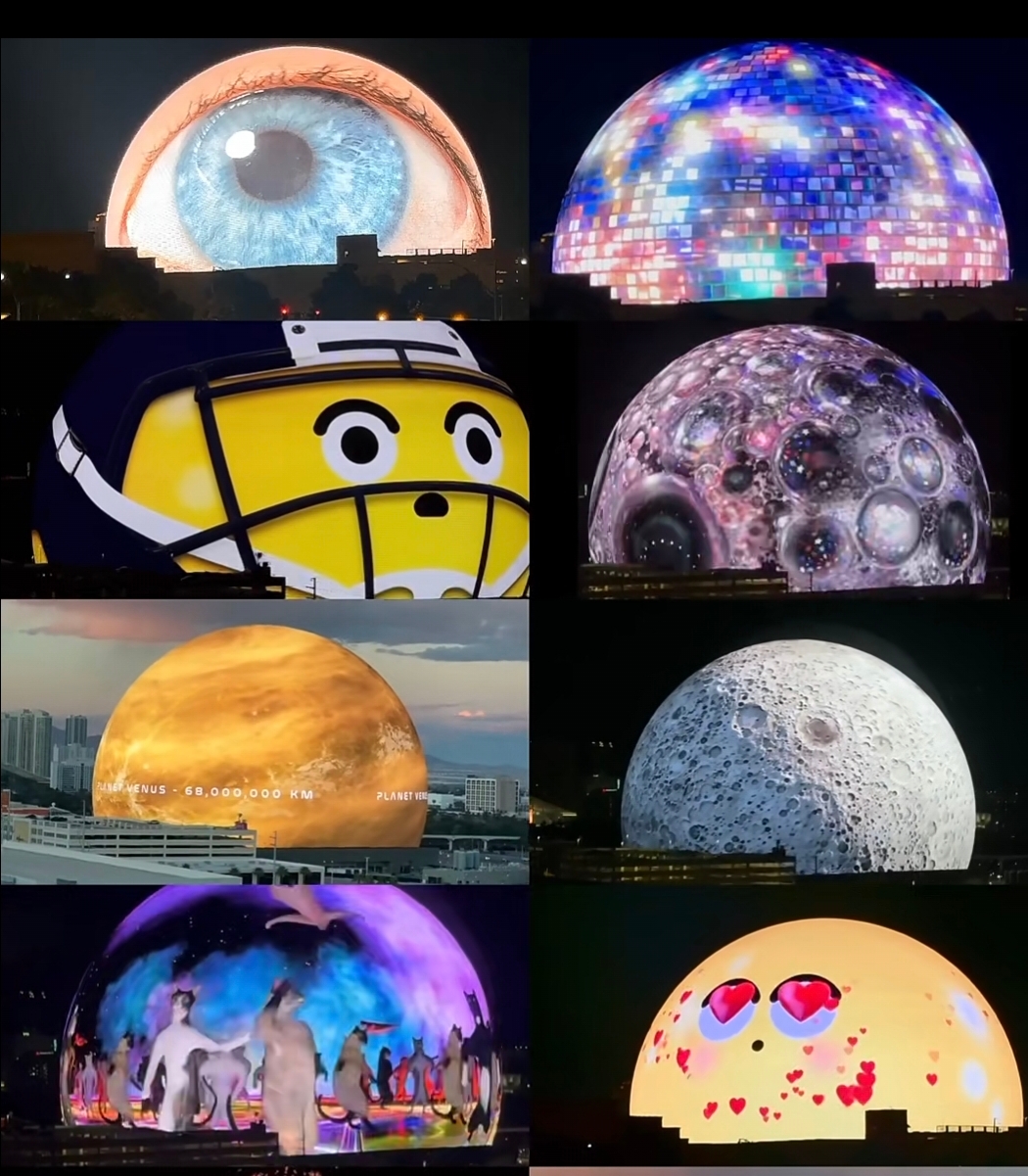
- Retail spaces are increasingly turning to Transparent LED Displays and Creative LED Displays to elevate the in-store visual environment.
Based on this direction, MileStrong continues to develop its product range across Front Maintenance LED Displays, LED Video Walls, COB LED Displays, and commercial display solutions.
For clients, what matters is no longer simply buying a display. It is getting a display system that is easier to install, easier to maintain, and built to run reliably for the long term.