

With the widespread use of LED displays in commercial advertising, conference and exhibition halls, sports venues, outdoor media, retail stores, and other settings, more and more companies are relying on LED displays for information presentation and brand promotion. However, during long-term use, some users may encounter issues such as decreased screen brightness, partial display failures, abnormal images, and damaged modules—problems that not only affect display quality but also increase future repair costs.
In fact, as electronic display devices, the service life of LED displays is influenced not only by the product’s inherent quality but also by daily usage and maintenance practices. Through scientific and reasonable maintenance, the likelihood of malfunctions can be effectively reduced, ensuring the display operates stably over the long term.
So, what maintenance details should be observed during the daily use of LED displays? Following these three points can help businesses reduce repair expenses and maximize the value of your led displays.
Keep the Display Clean to Prevent Dust From Affecting Heat Dissipation
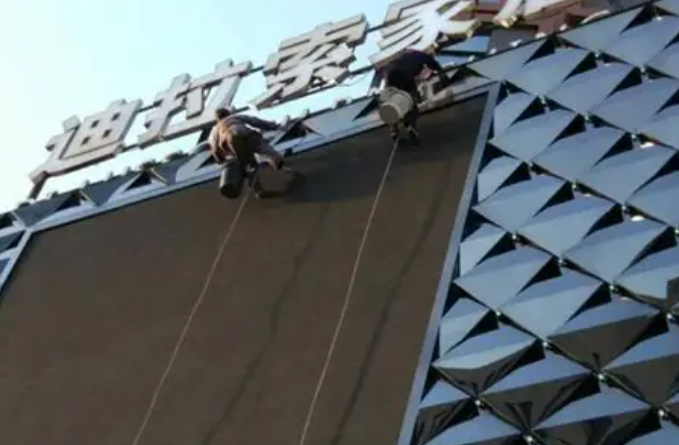
During long-term operation of LED displays, dust tends to accumulate on the surface and inside the unit. Especially in outdoor environments, shopping mall entrances, transportation hubs, and other high-traffic areas, dust and impurities in the air may settle on the screen’s surface, affecting display quality.
Dust buildup not only reduces the screen’s visual quality but can also hinder the device’s heat dissipation. LED displays generate heat during operation; if heat dissipation is obstructed, prolonged operation in high-temperature environments may accelerate the aging of electronic components and even lead to issues such as uneven brightness and damaged LEDs.
Therefore, it is recommended to clean the screen regularly based on the actual operating environment.
- For indoor LED displays, use a soft, dry cloth to remove surface dust;
- For outdoor displays, maintenance should be tailored to the specific environmental conditions to prevent dust and rain residue from affecting equipment operation.
Additionally, cleaning must be performed with the power disconnected, and corrosive liquids should be avoided to prevent damage to the display surface.
Set Reasonable Operating Hours to Avoid Prolonged, High-Load Operation
Many users believe that LED displays can operate full time, so they keep them running at high brightness and under heavy load for extended periods. Although high-quality LED displays are highly stable, high-intensity use still puts additional strain on the equipment.
For example, if an outdoor advertising display is kept at maximum brightness for a long time, it will not only increase energy consumption but also accelerate the wear and tear of LED chips and power supply components. Indoor displays that show an image for extended periods may also experience inconsistent display quality in certain areas.
In practical applications, it is recommended to adjust the display brightness according to the usage environment.
- During the day when outdoor light is strong, brightness can be increased to ensure clear visibility;
- At night or indoors, brightness can be appropriately reduced to minimize the load on the equipment while maintaining viewing quality.
Additionally, when the display is not in use, it could be turned off as needed to allow the equipment to rest fully, which helps extend its overall service life.
Regularly Check Equipment Condition to Detect Minor Issues Early
Many LED display problems do not occur suddenly, but develop gradually over a long period of use. For example, problems such as a decrease in the brightness of some LED chips, abnormal display in certain modules, or unstable power supply can often be prevented from becoming more serious if they are noticed and resolved early.
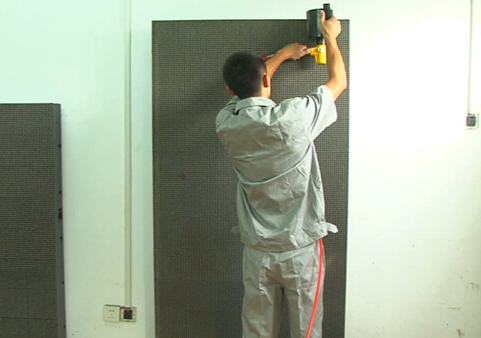
Therefore, users are advised to establish a regular inspection schedule. Inspection items may include:
- Whether the display shows a normal image, and whether there are problems such as blackness, flickering, or color difference;
- Whether the cables are secure and there is no weakening;
- Whether there are problems with the power supply or wiring;
- Whether the cooling system is working properly.
For large LED display projects, it is also recommended to establish a regular maintenance schedule for professionals to monitor the performance of the equipment in time and identify potential problems in advance.
Conclusion:
Proper maintenance maximizes the value of LED displays. LED displays are not devices that require no maintenance once installed. Good daily maintenance not only enhances display performance but also effectively reduces failure rates and repair costs.
As a professional LED display manufacturer, MileStrong has always prioritized product stability and long-term user experience. From product design and manufacturing to after-sales service, we provide customers with reliable display solutions, helping businesses reduce operating costs and ensuring that LED displays continue to create value.