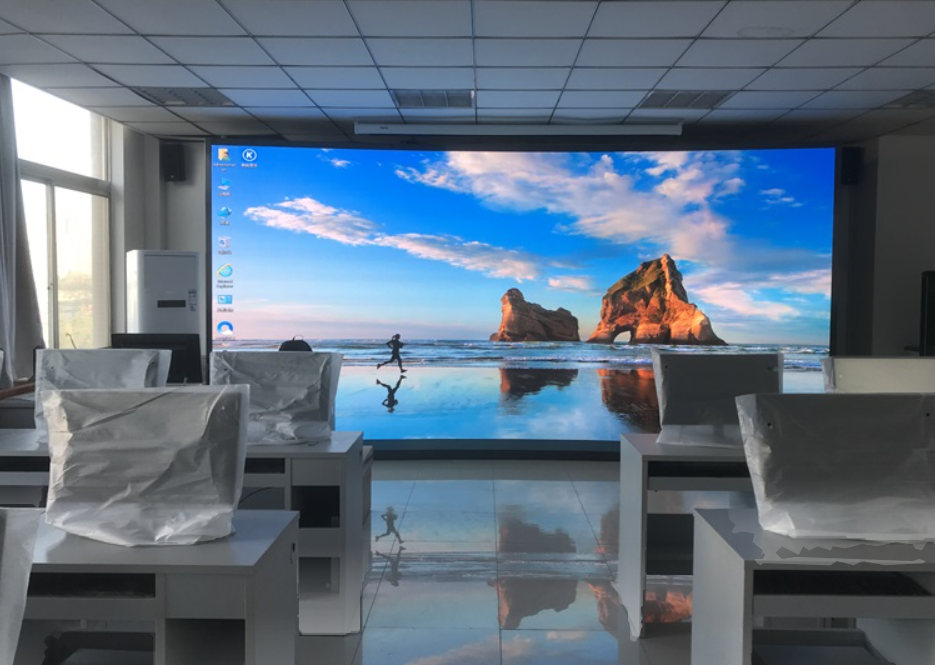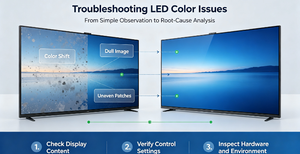


When buying mobile phones and televisions, we often see the terms like LED and LCD. Many people are unclear about the difference between the two, assuming they are two completely different screens. Are you one of them?
Today, let’s talk about these two types of screens. After reading the article, you will understand their differences and connections.
Definitions
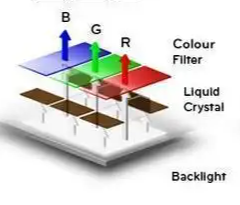
- LCD is short for “Liquid Crystal Display”. Liquid crystals themselves do not emit light; they act like a “small window” that controls how much light passes through. To display an image, an LCD screen must be illuminated by a light source called a “backlight”.
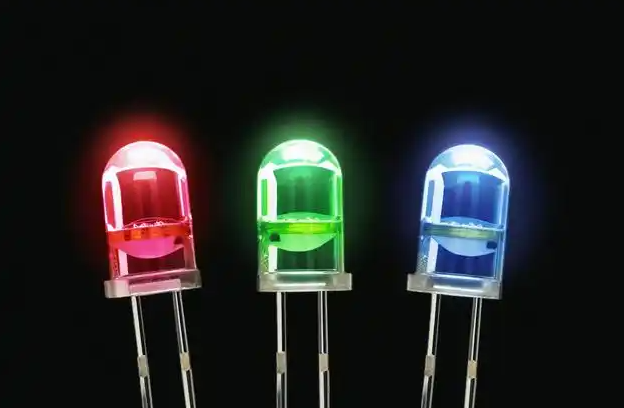
- LED is short for “Light Emitting Diode”. It can emit light itself.
Ordinary LED (most common): This is simply a backlight bulb; the screen is still an LCD panel. It’s more energy-efficient and brighter.
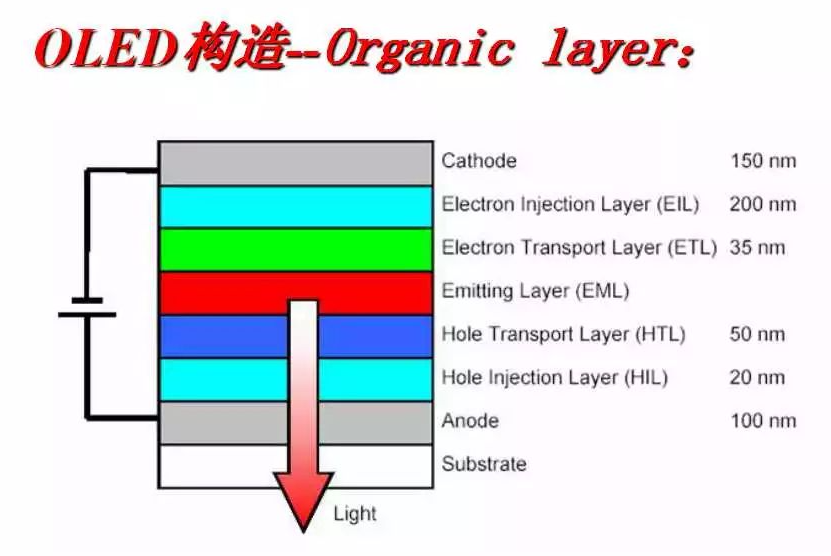
High-end LED (OLED/Mini LED): Each pixel on the screen emits its own light, eliminating the need for a backlight. It offers better image quality.
Connections and Differences
Traditional LCD TV had high power consumption and heat generation due to its backlight source, and it was also difficult to make the TV body very thin. LED have advantages such as high brightness, low power consumption, long lifespan, and small size. Therefore, with the use of LED backlight, TV and monitor can be made thinner and lighter, and the picture is also brighter.
The”LED TVs” actually mostly don’t use LED screen directly to display images. Instead, they use LED lights as the backlight source for the LCD screen. Therefore, common LED TVs are actually “LED-backlight LCD TVs”.
In summary, LCD is a display technology, while ordinary LED is a light-emitting technology.
How to choose?
- For cost-effectiveness, long-term office work, and eye protection: choose an LCD screen.
LCD screens are perfectly adequate for computer office monitors, spare mobile phones, and phones for the elderly. They are durable and worry-free.
- For picture quality, binge-watching, gaming, and aesthetics: choose an high-end LED screen.
High-end smartphones, gaming monitors, and flagship TVs almost all use this type of screen, offering a superior experience.
- The ordinary LED TVs/monitors that merchants usually talk about: Don’t worry about it, it’s just an upgraded version of LCD, brighter and more energy-efficient than the old-fashioned LCD, and it’s a common mid-range choice.