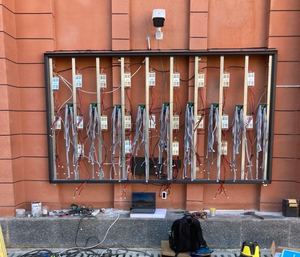


With the continuous development of digital advertising, outdoor LED displays have become an important medium for modern information dissemination. However, compared to indoor LED displays, outdoor LED displays are exposed to harsh environmental conditions—such as sunlight, rain, wind and sand, high temperatures, and low temperatures—over long periods of time. As a result, the market has set higher performance standards for outdoor LED display products.
Therefore, when selecting an outdoor LED display, we should not focus solely on price. We should take the actual application environment into account and consider various factors comprehensively to ensure stable and long-lasting display performance.
1. Brightness for Clear Outdoor Visibility
Brightness is one of the most important factors when choosing an outdoor LED display.
Outdoor displays are exposed to strong light, especially under direct sunlight. If the brightness is too low, the displayed content may be difficult to read.
- 5,000–6,500 nits are suitable for most outdoor applications.
- 7,000 nits or higher are recommended for locations with direct sunlight.
- Custom brightness solutions are available for projects with special installation conditions.
Automatic brightness adjustment is another valuable feature. It automatically adapts the display brightness to surrounding light conditions, providing clear images while reducing power consumption and extending the display’s lifespan.
2. Protection Rating for Reliable Outdoor Performance
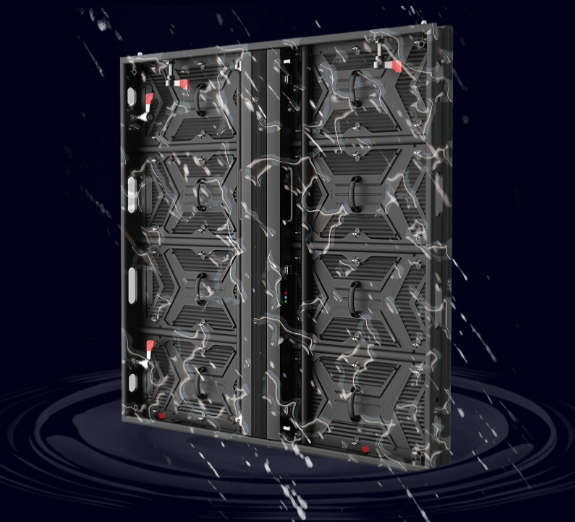
Outdoor LED displays must withstand different weather conditions throughout the year, making protection rating a key consideration. An IP65 or higher protection rating is recommended for most outdoor projects.
A high protection rating helps the display resist:
- Rain and moisture
- Dust and sand
- Humidity
- High and low temperatures
For coastal areas, humid regions, or places with frequent sandstorms, it is also important to consider corrosion resistance, salt spray resistance, and UV protection to ensure long-term reliability.
3. Choose the Right Display for the Installation Environment
Different applications require different types of outdoor LED displays.
For example:
- Commercial advertising displays should deliver high image quality while keeping energy consumption low.
- Sports venue displays require wide viewing angles and excellent visibility from long distances.
- Transportation hubs need displays that can operate reliably 24/7.
Pixel pitch is another important factor. It should be selected based on the viewing distance, installation height, screen size, and application requirements. Choosing the right pixel pitch helps achieve the best balance between image quality and project cost.
4. Pay Attention to Heat Dissipation and Structural Design
Outdoor LED displays often operate for long hours under direct sunlight, generating significant heat. An efficient heat dissipation system helps maintain stable performance, reduces internal temperatures, and extends the service life of key components such as LED modules and power supplies.
The cabinet structure is equally important. A strong and durable cabinet improves overall stability and can better withstand wind loads. For large outdoor installations, factors such as local weather conditions and installation methods should also be considered during the start stage.
5. Consider Maintenance Requirements
Maintenance is often overlooked during the purchasing process, but it can have a significant impact on long-term operating costs.
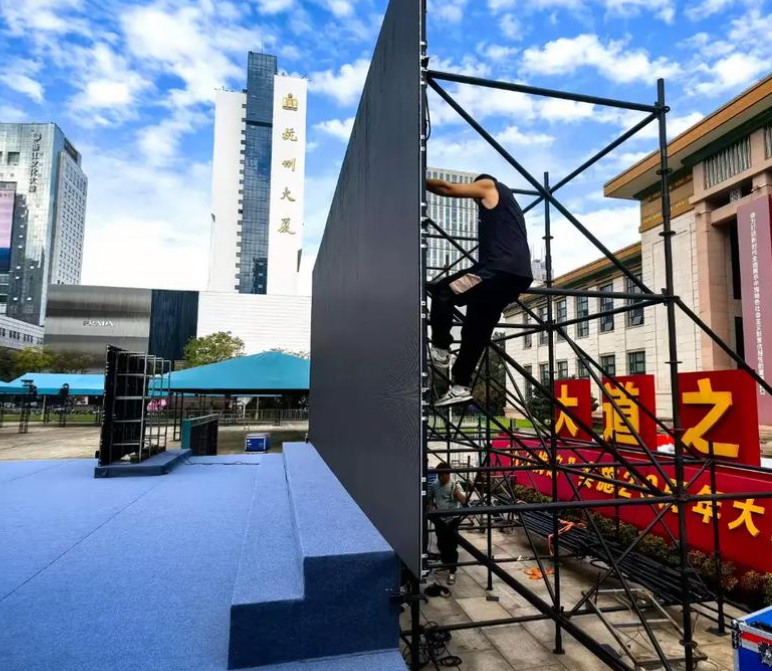
Depending on the installation environment, customers can choose front , rear , or full front and rear maintenance designs. Easy maintenance reduces downtime and lowers service costs throughout the product’s lifetime.
6. Work with an Experienced LED Display Manufacturer
The quality of the manufacturer is just as important as the quality of the product.
An experienced LED display manufacturer can recommend the most suitable solution based on your local climate, installation conditions, application requirements, and budget, rather than simply offering a standard product.
Conclusion
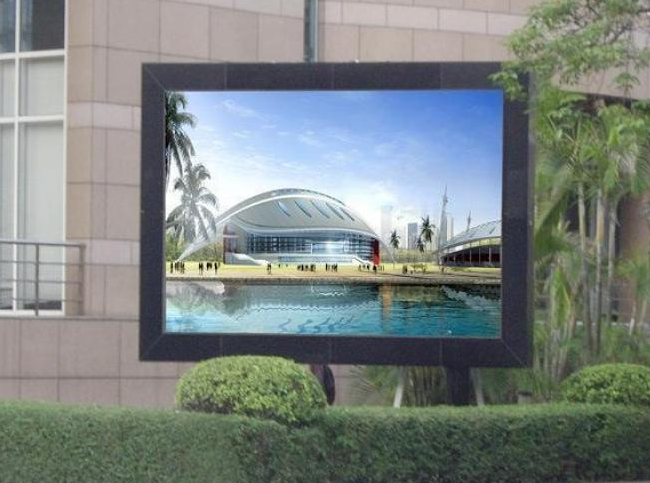
There is no one-size-fits-all solution when choosing an outdoor LED display. Factors such as brightness, protection rating, installation environment, heat dissipation and maintenance should all be evaluated according to the specific project.
With extensive experience in outdoor LED display projects, MileStrong provides customized and practical display solutions for customers worldwide. Whether your application is for advertising, sports venues, transportation, or commercial buildings, our team can recommend a reliable solution that delivers outstanding performance and long-term value.