

Many people have a question when buying TVs, digital display devices or commercial display screens: which one is better, QLED, OLED or LED? It is true that these three technologies are often compared together, but we cannot give you a definite answer about which is superior. Maybe after reading this article, you will fully know how to choose.
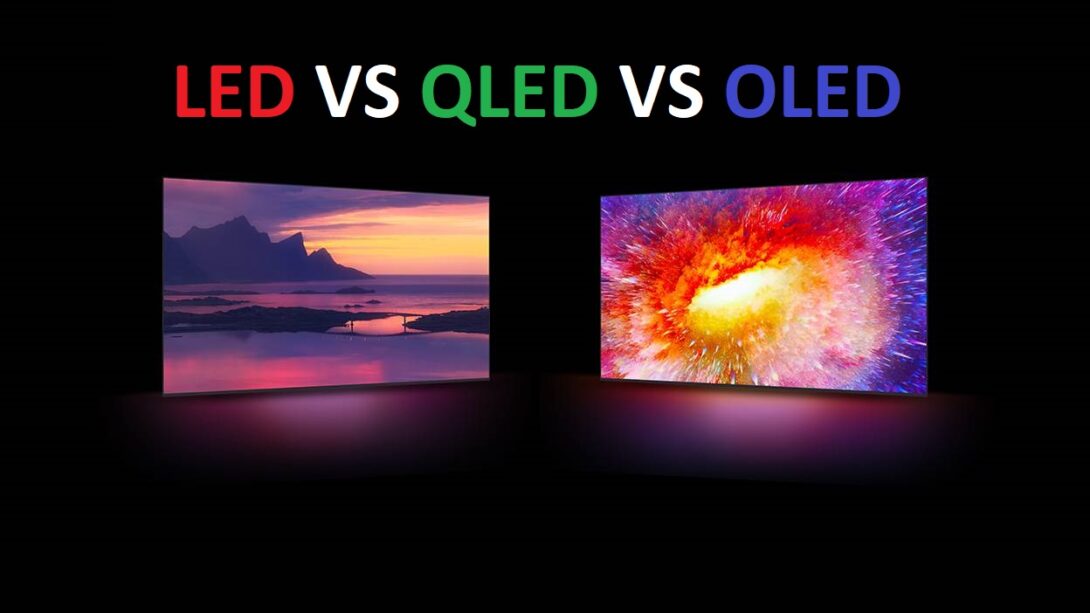
What is LED Display Technology?
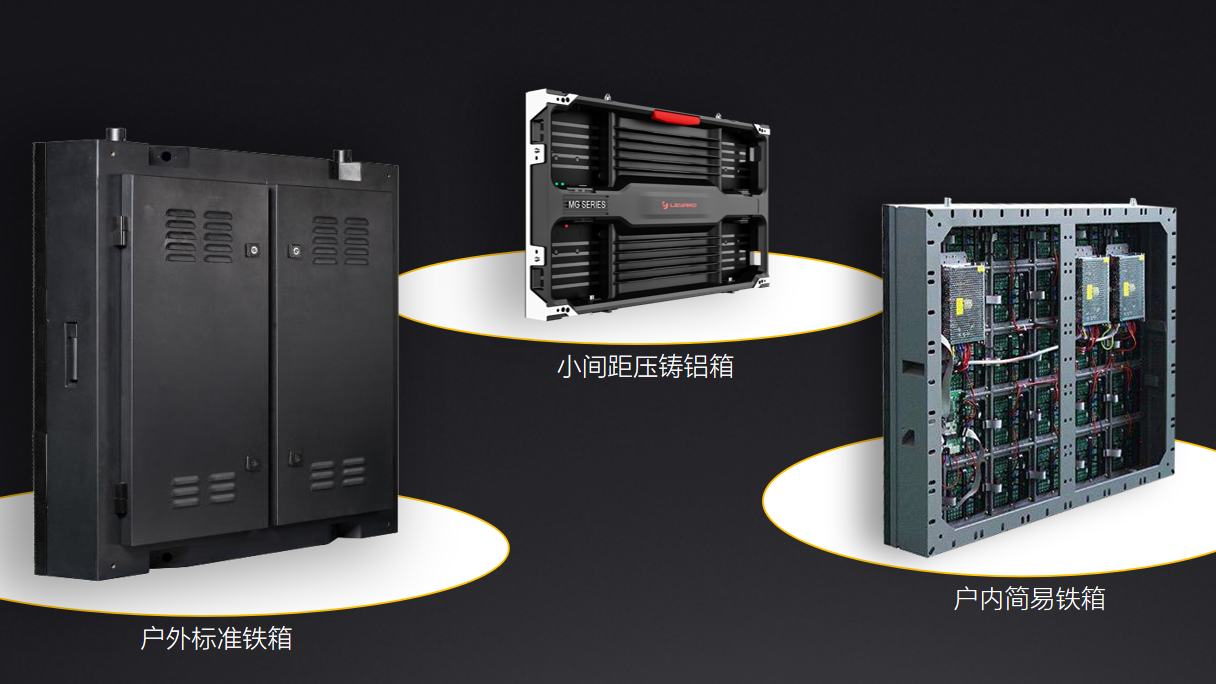
Traditional LED display technology uses light-emitting diodes as light sources. For TVs, so-called “LED TVs” are essentially LCD liquid crystal TVs with LED backlights. In the commercial display sector, such as outdoor advertising LED screens, stadium display LED screens, large LED screens in transport hubs and digital billboards, images are directly formed by a large number of LED lamp beads. We will skip the detailed working principles and focus on its core advantages.
Main advantages of LED screens:
- Ultra-high brightness
- Long service life
- Clear visibility
- Cost advantages for large-size displays
OLED: The King of Image Quality
OLED (Organic Light-Emitting Diode) is a self-emissive technology. Each pixel can emit light independently without an extra backlight.
OLED inherits and even surpasses most strengths of LED. It offers a wider viewing angle and lower power consumption. Meanwhile, OLED delivers much better color performance with a broader color gamut.
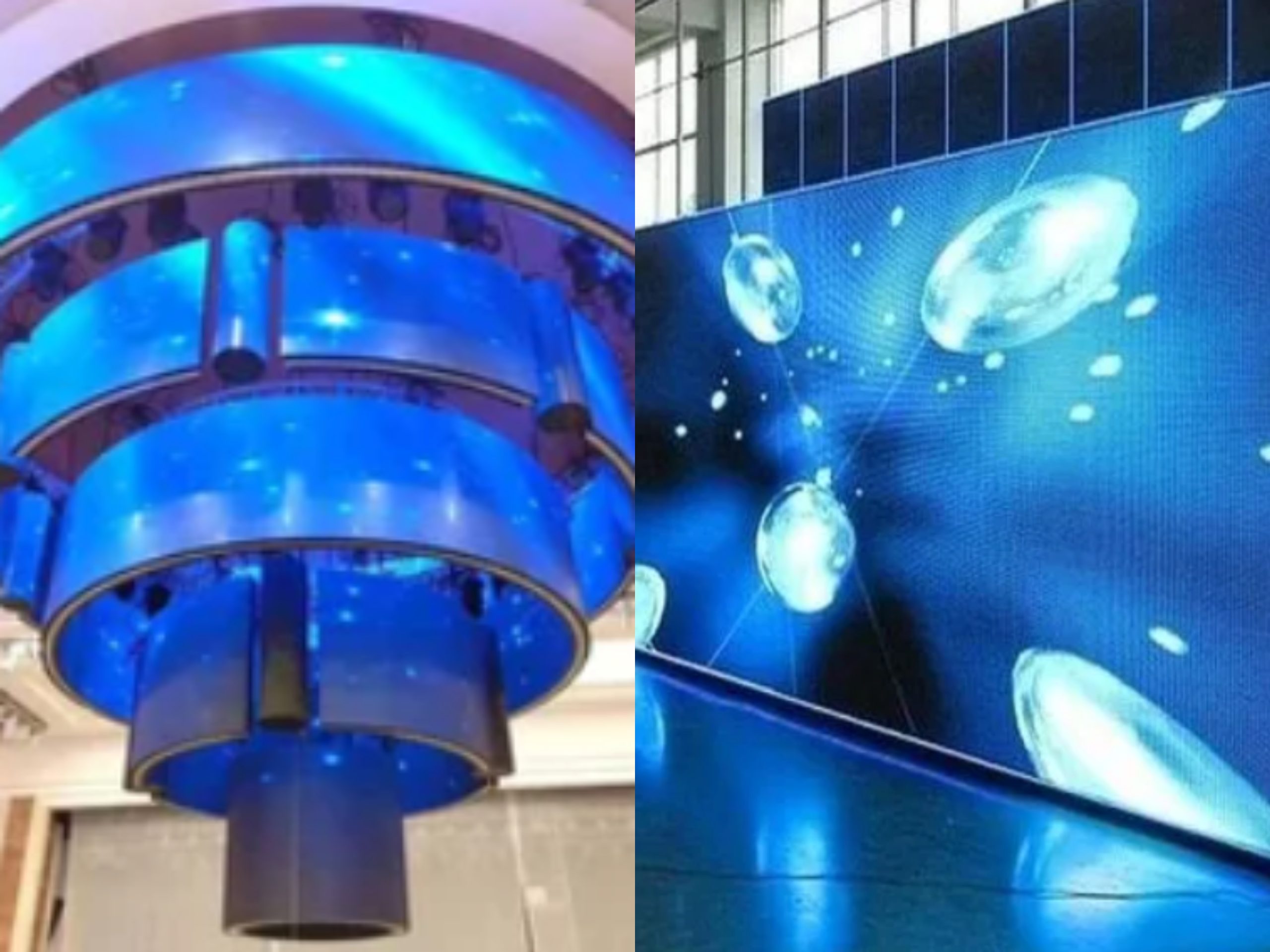
OLED has a unique feature: it can be produced on flexible substrates like plastic and resin to make bendable screens. Curved-screen phones and foldable phones take advantage of this property.
However, OLED has a critical flaw: screen burn-in and image retention will occur after long hours of use.
QLED: Higher Cost Performance
Many consumers misunderstand QLED. In fact, mainstream QLED products on the market are not true self-emissive display technology. They add a quantum dot enhancement layer to LCD panels to boost color performance and brightness.
For home living rooms and commercial scenarios requiring long-hour operation, QLED strikes a good balance between image quality and cost.
There is no universal answer to “which one is better”, since no single technology fits all usage scenarios. Buyers should choose based on their own demands:
- Pick OLED if you pursue top-tier image quality and cinema-level viewing experience;
- Pick QLED if you want a balance of brightness, durability and cost performance;
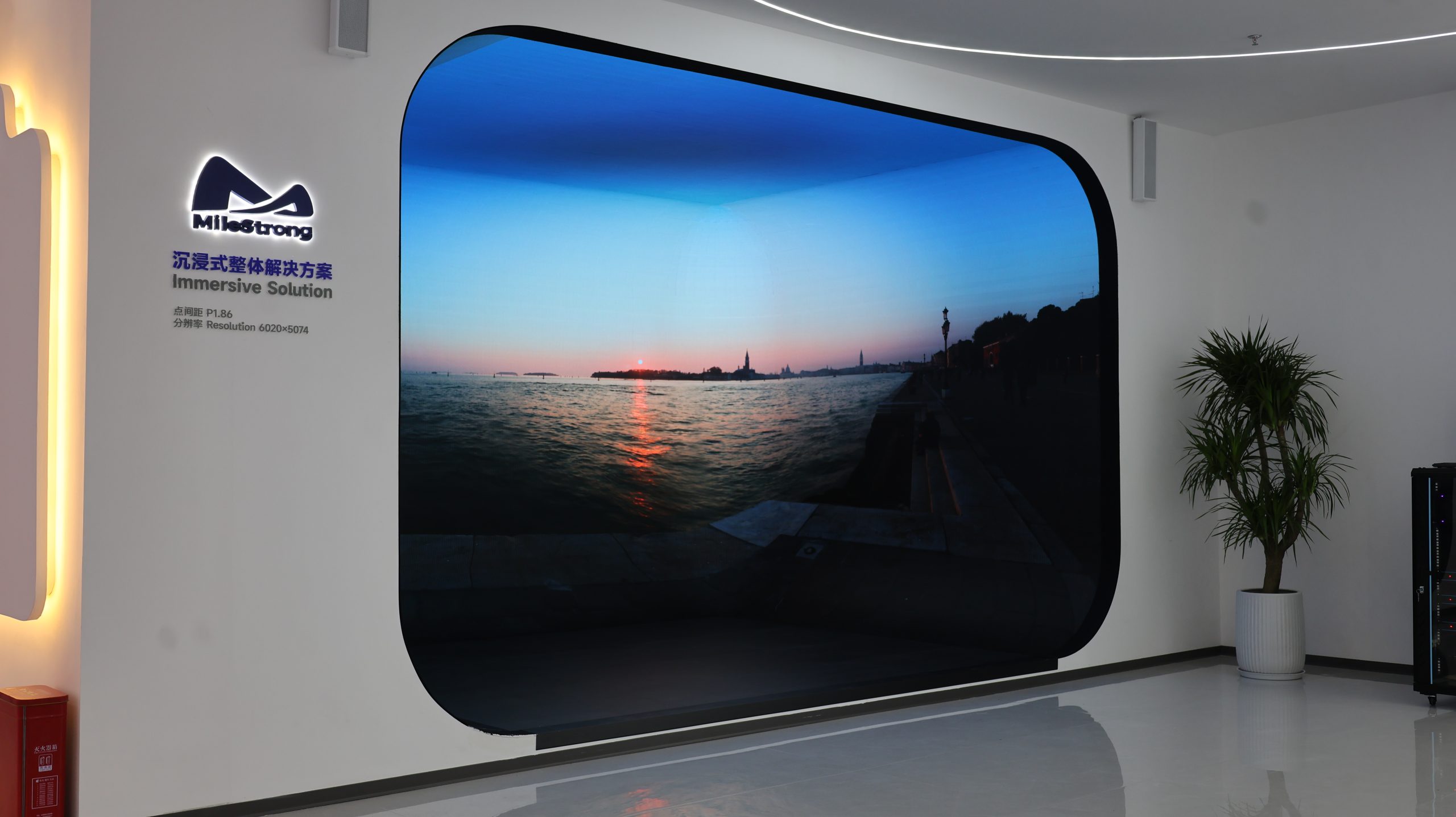
- LED display screens remain the mainstream choice for commercial advertising, stadiums, transport hubs and outdoor applications.
Whether you’re comparing QLED, OLED, or LED technology, the best choice ultimately depends on your application requirements. MileStrong provides industry-leading LED display solutions designed for performance, reliability, and long-term value.