

In the electronics industry, the heat dissipation system directly determines the stability, lifespan, and operating efficiency of equipment. During the long-term use of LED displays, heat generation is a core issue affecting product stability and lifespan. Overheating can lead to various malfunctions.
Currently, the most common heat dissipation methods for LED displays are divided into two types: active heat dissipation and passive heat dissipation. Many users find it difficult to choose between them when choosing led displays, wondering which one is better, what the differences are, and what situations they are suitable for.
To help you quickly choose the right cooling solution for your device, this article breaks down the principles, pros and cons, and suitable scenarios of two heat dissipation methods in an easy-to-understand way, helping you find the perfect match for your needs.
LED Displays Passive Heat Dissipation: Quiet and Stable
Passive cooling is the most basic method of heat dissipation for LED displays, requiring no power or mechanical assistance throughout the entire process. It relies on the display’s built-in aluminum heat sink and heat dissipation fins to naturally dissipate heat from the chips into the air through physical processes such as thermal conduction and natural convection.
Core Advantages
- Silent Operation: The entire unit is no fan and contains no moving mechanical parts, ensuring silent operation throughout and eliminating noise pollution.
- Stable Performance: With a simple structure and superior dust- and water-resistant properties, it requires virtually no maintenance, significantly extending its service life.
- Low Energy Consumption: Passive cooling consumes extremely little power, effectively reducing electricity costs over the long term.
Limitations
- The cooling efficiency is entirely dependent on ambient ventilation conditions.
- The rate of heat dissipation is limited.
Application Scenarios:
- Indoor fine-pitch LED displays
- Indoor advertising displays
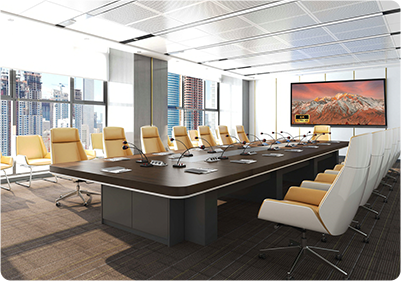
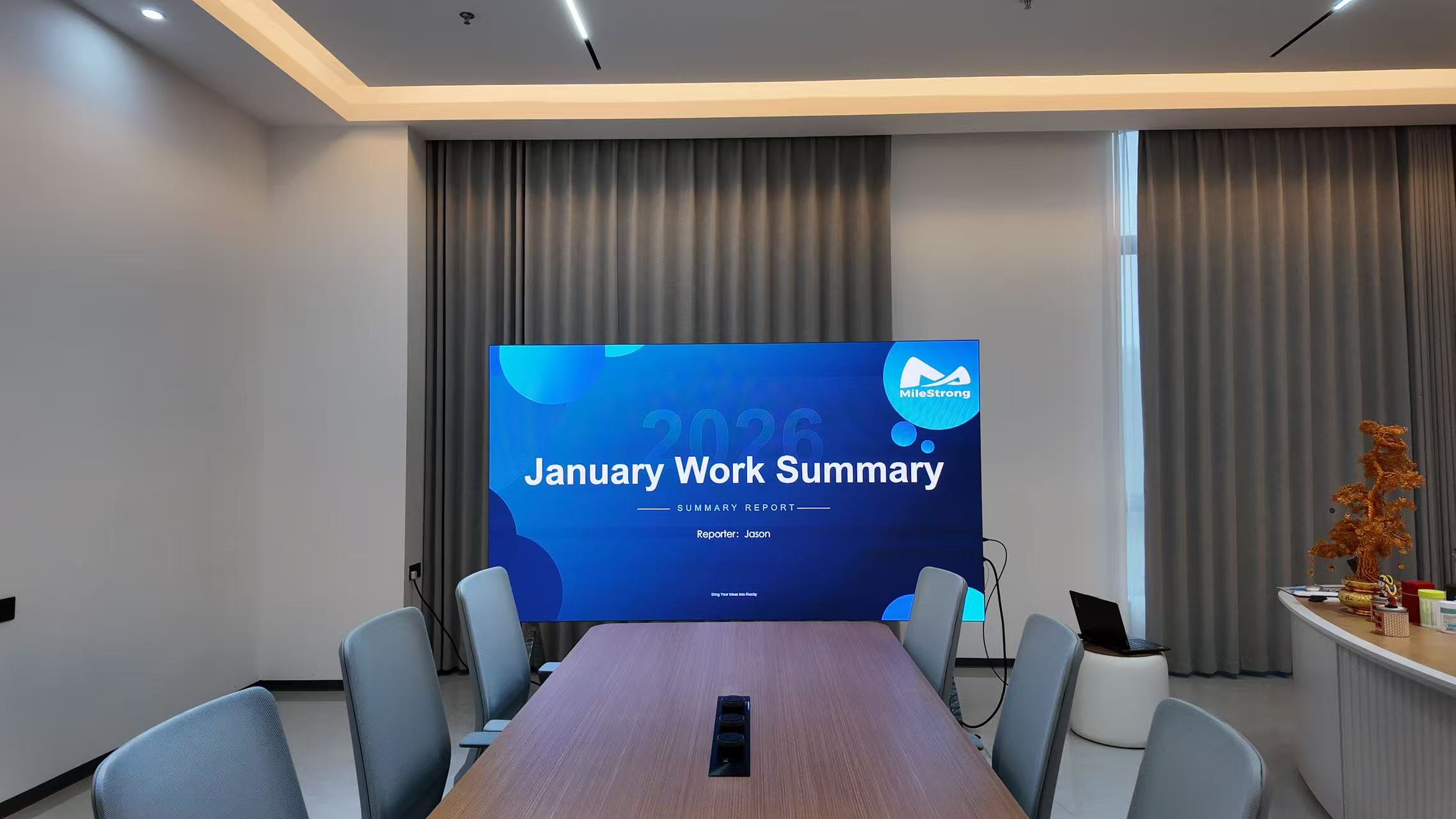
- Conference room displays
Suitable for low-to-medium power, low-brightness display devices; not suitable for high-load, high-density heat-generating scenarios.
LED Displays Active Heat Dissipation: Efficient and Powerful
Active cooling is a forced heat dissipation method that relies on external powered components, such as fans and airflow duct systems. It actively accelerates internal airflow to rapidly dissipate accumulated heat, overcoming the efficiency limitations in passive cooling.
Core Advantages
- Fast cooling speed
- Strong cooling capacity
- Consistent and stable control of device temperature
- Effective prevention of heat-related failures during high-load operation
Limitations:
- Noise: Fans are flexible machines; long-term surgery can be slightly noisy.
- Regular Maintenance: Fans are prone to damage as dust accumulates or ages, so they must be cleaned and maintained regularly.
- Higher cost: The equipment setup is more complex, and the total cost and energy consumption is slightly higher than passive cooling.
Application Scenarios:
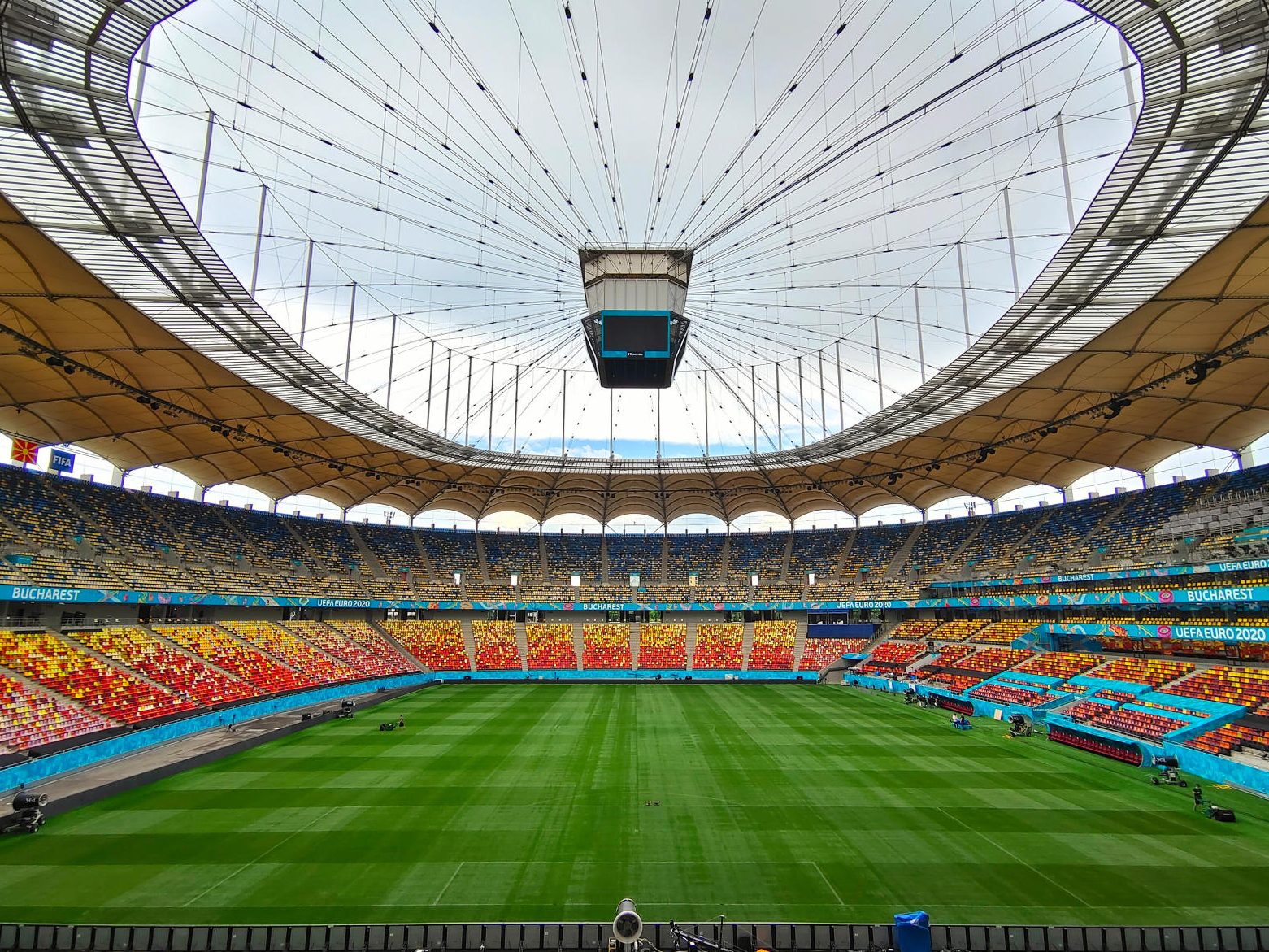
- Large outdoor high-definition screens
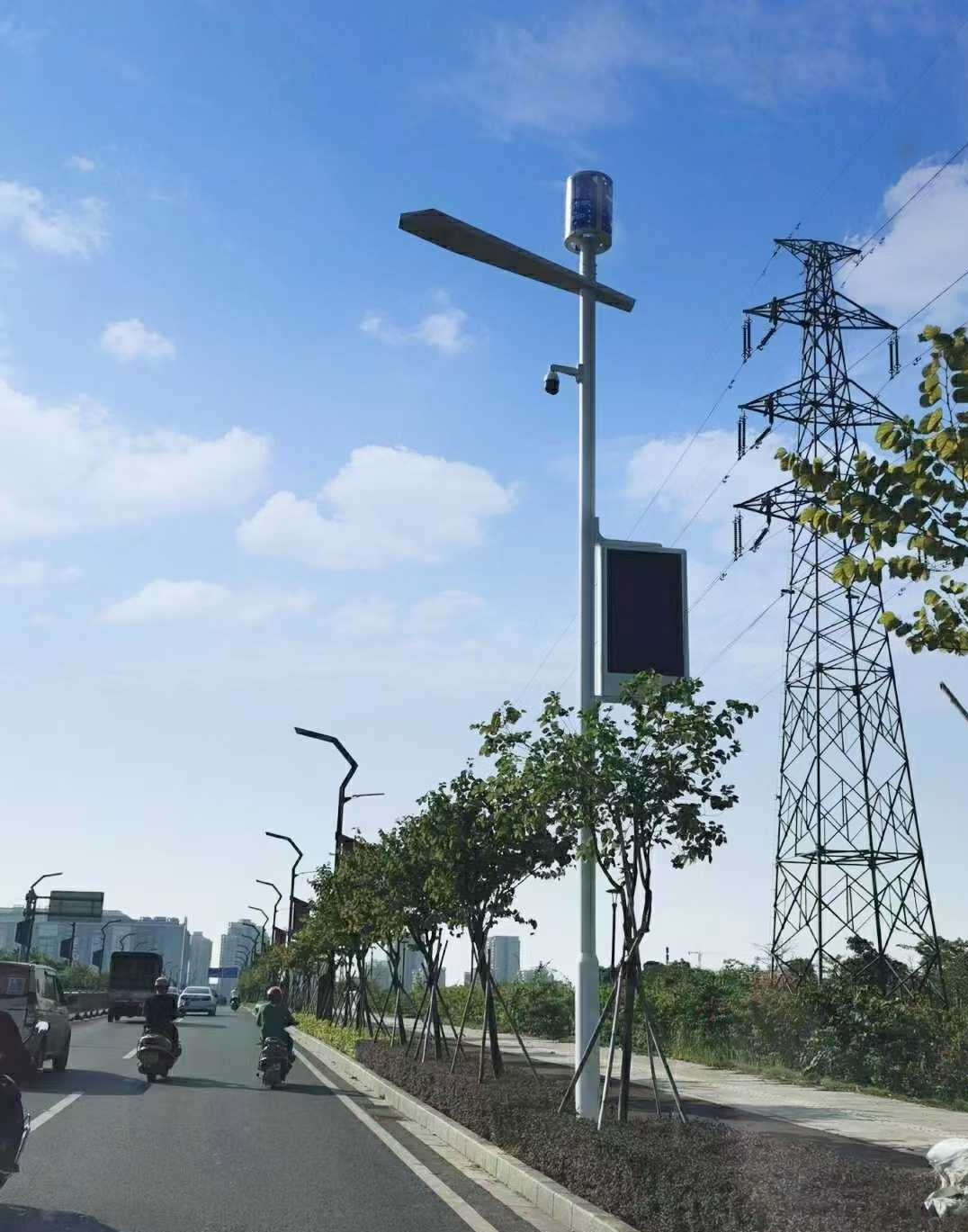
- High-brightness outdoor advertising screens
- Large-scale stage screens
Suitable for high-brightness, high-power, and high-density LED displays, ensuring stable operation even in harsh environments such as high-temperature or enclosed settings.

Summary
Heat dissipation system is the key point of a good LED display. Choosing the matched heat dissipation technology not only prevents thermal damage and improves image quality, but also significantly extends the display’s service life and reduces long-term maintenance costs.