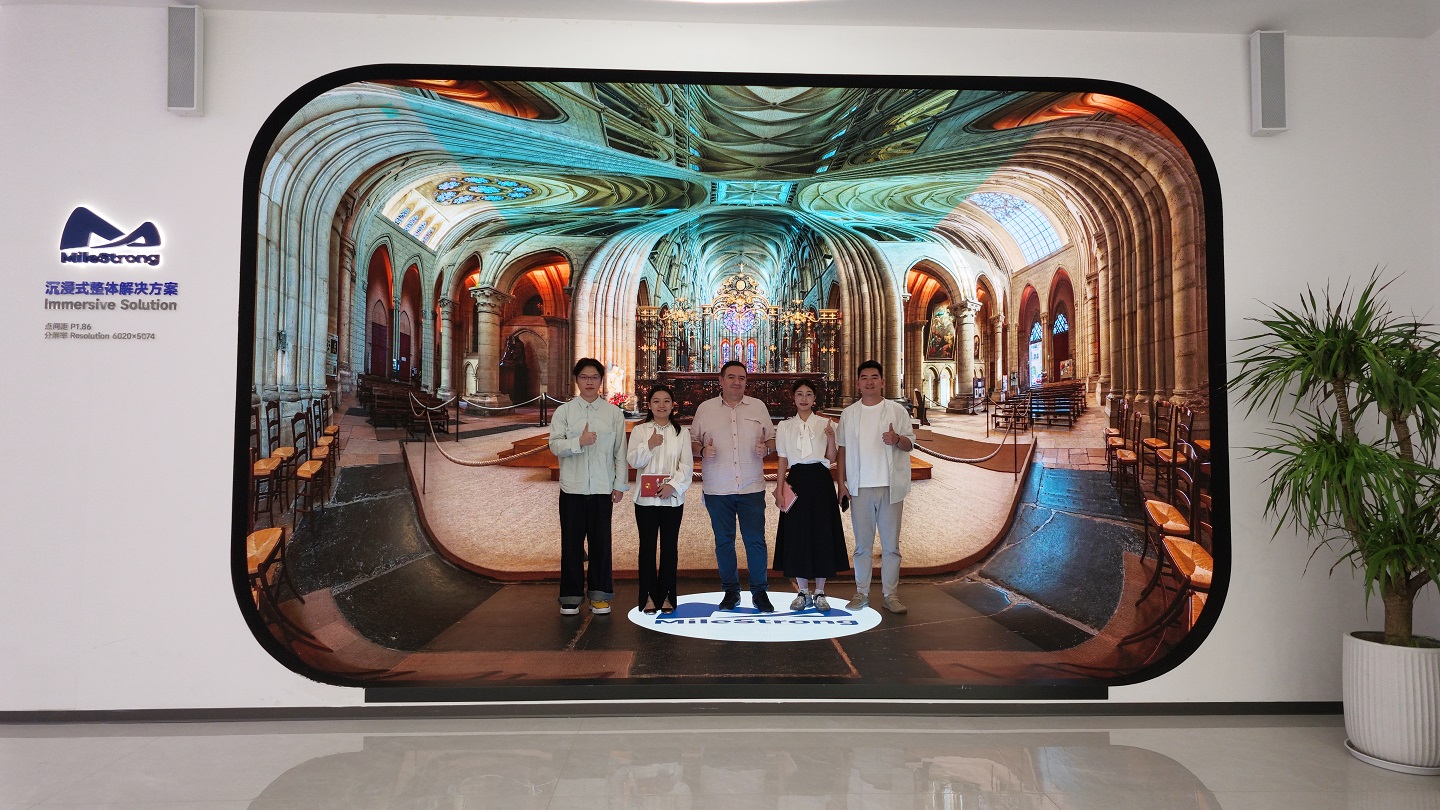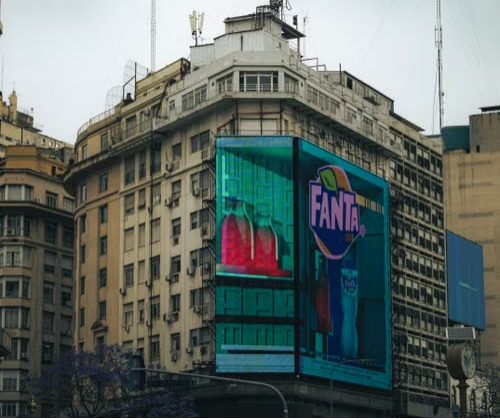

Smart city construction has entered a phase of large-scale deployment worldwide. Outdoor LED large-format displays, transparent LED curtain walls, smart pole-mounted screens, and command center fine-pitch video walls are all seeing batch procurement. Despite macroeconomic volatility, municipal digital infrastructure budgets in countries around the world continue to prioritize visual display infrastructure. Five factors explain why LED displays have become a standard component of smart city development: urban governance requirements, low-carbon policy direction, multi-scenario product flexibility, IoT technology integration, and sustainable operating models.
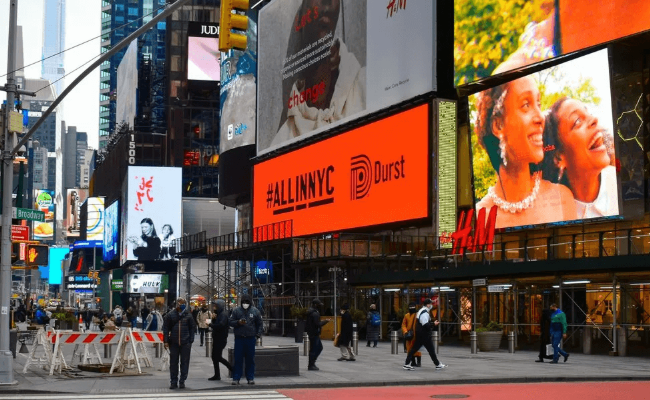
1. Advanced Urban Governance Is Creating Non-Negotiable Demand for Visual Infrastructure
Modern smart cities build city-wide sensing networks using IoT, 5G, and big data — and LED displays are the only terminal capable of communicating that data to the public in a directly readable form.
In transportation, variable message signs on highways, intersection guidance screens, and transit hub information displays deliver real-time congestion alerts and schedule updates. AI-linked traffic data optimizes routing guidance dynamically, measurably reducing urban commute congestion. For emergency management, city-wide LED display networks can push disaster warnings, evacuation routes, and public health notices across street, community, and commercial district locations simultaneously. Government command centers use seamless LED video walls to aggregate security, environmental, and energy data — enabling unified real-time situational awareness.
In urban renewal programs across Europe, the Middle East, and Southeast Asia, smart traffic and emergency LED projects are being written into baseline infrastructure lists — generating stable long-term procurement demand.
2. Low-Carbon Policy Is Accelerating the Replacement of Older Display Equipment
Carbon neutrality and green city planning have become common development targets across governments globally. Low-power LED display solutions align directly with municipal energy efficiency requirements.
The latest generation of outdoor LED screens incorporates intelligent ambient light sensing and automatic brightness adjustment — reducing power consumption by more than 40% compared to traditional signage and older large-format LED screens. Multiple countries are offering subsidies specifically for replacing high-energy-consumption static billboards and older neon signage with energy-efficient LED digital screens.
3. Modular Products Cover Every Urban Public Space
Standardized modular LED cabinets support flexible splicing across all types of urban public environments.
- Civic plazas use large-format naked-eye 3D displays as city landmarks.
- Commercial districts deploy curved and shaped LED curtain walls to activate the nighttime economy.
- Parks and community spaces use smaller information screens for public service announcements.
- Airports, high-speed rail stations, and metro systems use fine-pitch high-definition screens for passenger guidance.
4. 5G and IoT Integration Enables Citywide Intelligent Management
Modern LED displays are no longer standalone playback devices. They are deeply integrated into urban IoT platforms.
Through 5G low-latency transmission, cloud platforms can remotely manage all screens across an entire city — pushing public communications and civic content updates with a single action. Environmental sensors linked to display screens show real-time PM2.5 readings, temperature, humidity, and noise levels, making environmental data publicly visible.
Smart pole-integrated LED screens combine communications base stations, surveillance cameras, and emergency call buttons into a single structure. One pole carries multiple smart city functions — significantly reducing redundant municipal infrastructure investment. This model has been widely adopted in new urban development projects across Southeast Asia and the Middle East.
5. Public-Private Partnership Models Are Reducing Municipal Financial Pressure
Smart city LED projects commonly operate on a model that combines public service content with commercial advertising — effectively relieving pressure on public budgets.
LED Screens alternate between civic public service content and compliant commercial advertising on a time-sharing basis. Advertising revenue covers equipment procurement and maintenance costs, creating a self-sustaining operational cycle.
Cities across Asia-Pacific, North America, and Europe have deployed city-wide LED networks through public-private partnership arrangements without requiring large one-time public expenditure. Emerging markets are embedding LED display systems into new urban districts, sports venues, and cultural tourism projects simultaneously — layered demand that continues to push global shipment volumes higher.
Conclusion
Accelerating urbanization, precision governance requirements, low-carbon policy incentives, IoT technology integration, and sustainable operating models are together driving the broad adoption of LED displays across smart cities globally. As Mini/Micro LED and AI-interactive display technology continue to advance, lightweight, energy-efficient, and intelligent LED terminals will penetrate every public space in the digital city — becoming an indispensable piece of visual infrastructure for urban environments worldwide.