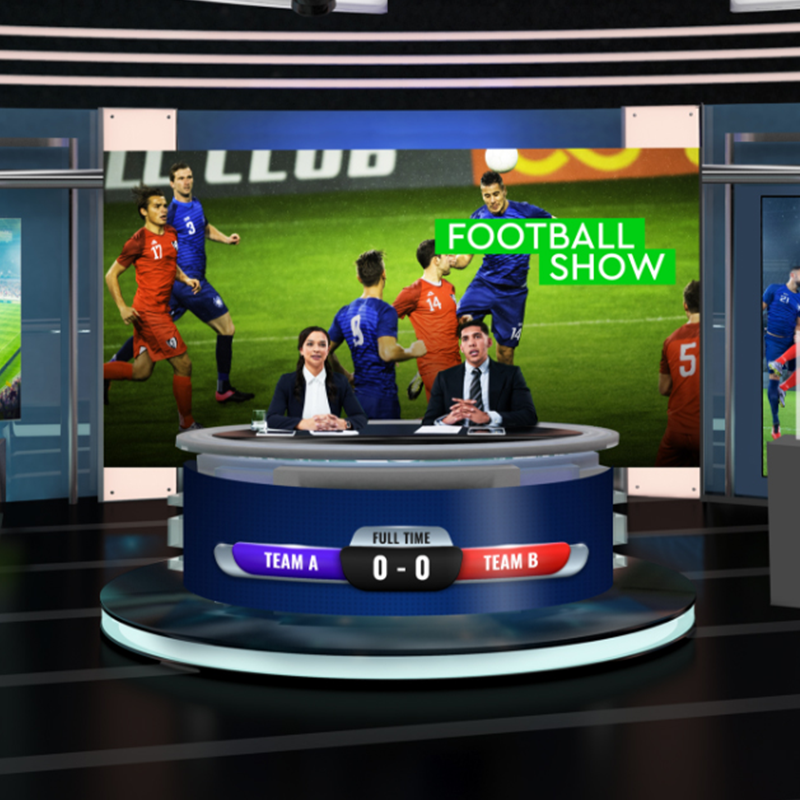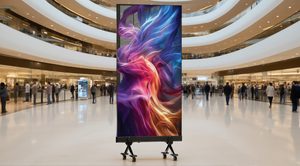


A large rental LED display is typically assembled from multiple independent LED display cabinets. Through the use of mechanical locking mechanisms, power and signal connections, and the coordinated operation of the display control system, these cabinets can be combined to form a single, large-scale LED display, enabling a continuous image display.
Cabinet Assembly: Constructing the Complete Screen Structure
Rental LED screens utilize a modular cabinet design. During installation, technicians secure adjacent cabinets together using the locking mechanisms on the cabinets, ensuring the assembled screen structure is stable and neatly aligned. Depending on the event venue and stage design, the number of cabinets and their arrangement can be flexibly adjusted to create display screens of various sizes and shapes.
Power and Signal Connections: Achieving Synchronized Display
Once the cabinets have been secured, power and signal cables must be connected to provide a stable power supply and image data to each cabinet. Through the LED video processor and control system, each cabinet receives the corresponding image data and displays a different section of the complete image, ultimately forming a unified large screen.
Modular Design: Adapting to Different Event Requirements
This modular structure gives rental LED displays a high degree of installation flexibility. Once the event has concluded, the modules can be quickly dismantled, sorted, packed and transported to the next venue, making them suitable for all kinds of live performances.
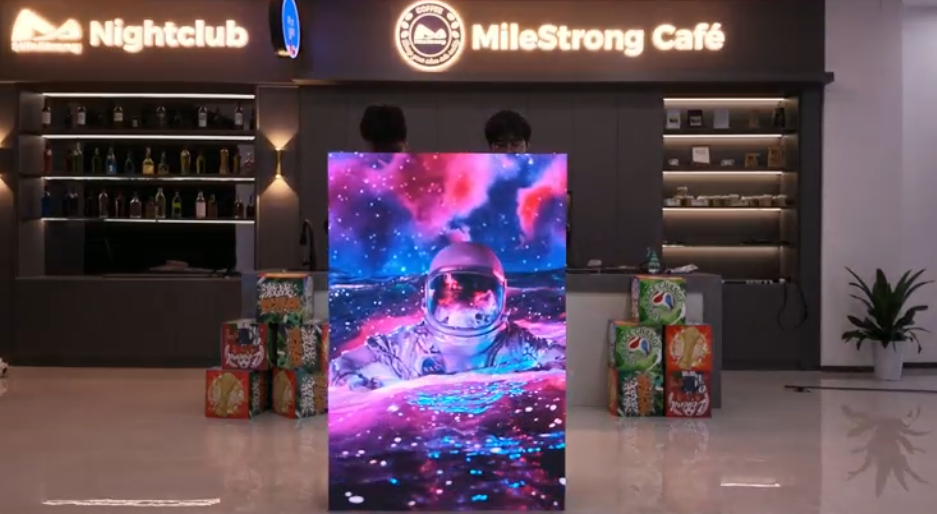
In the video below, MileStrong uses a live demonstration in their showroom to give you a close-up look at the connection structure of rental LED display modules, as well as how multiple modules are combined to form a complete large screen.