
As the use of outdoor LED displays continues to grow in settings such as commercial advertising, sports venues, transport hubs and public information displays, display performance in high-brightness environments has become a key consideration when selecting equipment for projects.
Compared to indoor LED displays, outdoor displays must cope with stronger, more complex and constantly changing ambient light conditions, particularly direct sunlight during the day. Addressing the common issue of brightness selection in outdoor projects, MileStrong analyses the choice of brightness for outdoor LED displays from the perspectives of ambient light, display performance and actual application scenarios.
How Does Ambient Light Affect Outdoor LED Display Performance?
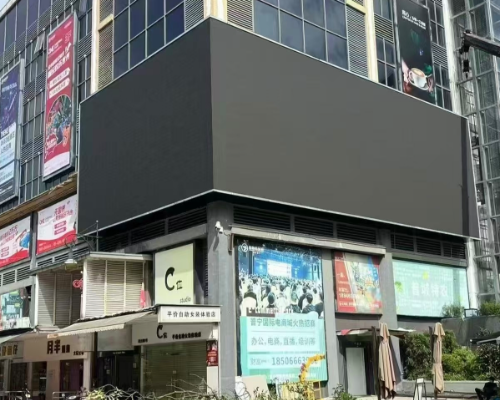
Compared to indoor displays, outdoor LED displays are exposed to much stronger ambient light. Whilst indoor lighting is relatively easy to control, the intensity of outdoor sunlight fluctuates constantly depending on the time of day, weather conditions and the direction of installation.
When sunlight falls directly onto the surface of an LED display, ambient light affects the screen’s ability to render black and reduces overall visual contrast. If the screen’s own brightness is insufficient, images, videos and text that would otherwise be clear may appear greyish or lack detail.
Consequently, a high screen brightness is essential for ensuring daytime visibility in outdoor LED displays. Some outdoor LED display products also utilize LED chip solutions better suited to high-brightness applications to enhance display performance in bright environments.
How Much Brightness Do Different Outdoor Applications Need?
The brightness of outdoor LED displays typically needs to be determined based on the installation environment, sunlight exposure and operating hours. It cannot simply be assumed that all outdoor screens require the same brightness.
Generally speaking, the following ranges can be used as a guide:
• Semi-outdoor scenarios with weak backlighting: approximately 3,000 nits
Suitable for outdoor areas with shade and minimal direct sunlight, such as certain commercial building entrances and semi-outdoor spaces.
• Standard outdoor advertising scenarios: approximately 5,000 nits
Suitable for commercial advertising, roadside media and shopping centre façades—scenarios requiring round-the-clock display—and capable of withstanding strong ambient light during the day.
• Direct sunlight and open areas: approximately 6,000 nits or higher
For unobstructed building façades, large roadside advertising screens and sports stadiums, higher brightness is required to counteract the effects of intense sunlight.
Is Higher Brightness Always Better for Outdoor LED Displays?
Intense sunlight during the day requires higher brightness, but at night, ambient light levels drop significantly. If the display continues to operate at maximum brightness for extended periods, this may not only cause visual discomfort but also lead to unnecessary energy consumption.
Selecting the brightness for an outdoor LED display is not simply a matter of pursuing the highest possible figure, but rather ensuring the display is suited to its actual operating environment.
MileStrong: Brightness Should Match the Application
For outdoor LED displays, high brightness ensures clear visibility in bright environments, whilst appropriate brightness control is key to comfortable viewing and manageable operating costs.
MileStrong recommends that when selecting products for different outdoor projects, the appropriate brightness range should be determined based on the actual application environment, whilst also considering display performance, brightness adjustment capabilities and energy consumption, thereby achieving a more stable outdoor display effect.