

With the increasingly widespread application of LED displays, many users face the question: is it more cost-effective to rent or buy? In reality, it’s not a simple either-or choice. A well-balanced combination can save costs while meeting the needs of both long-term displays and temporary events, adapting to a wider range of scenarios.
This article will discuss the combined use of rental LED displays and regular displays in practical application scenarios.
Clearly Define the Positioning of the Two Types of LED Displays
As the Chinese proverb goes :Know yourself and know your enemy, and you will win every battle.To rationally combine these two types of LED displays, it’s essential to understand their intended use and core differences. This is the foundation for their combined use.
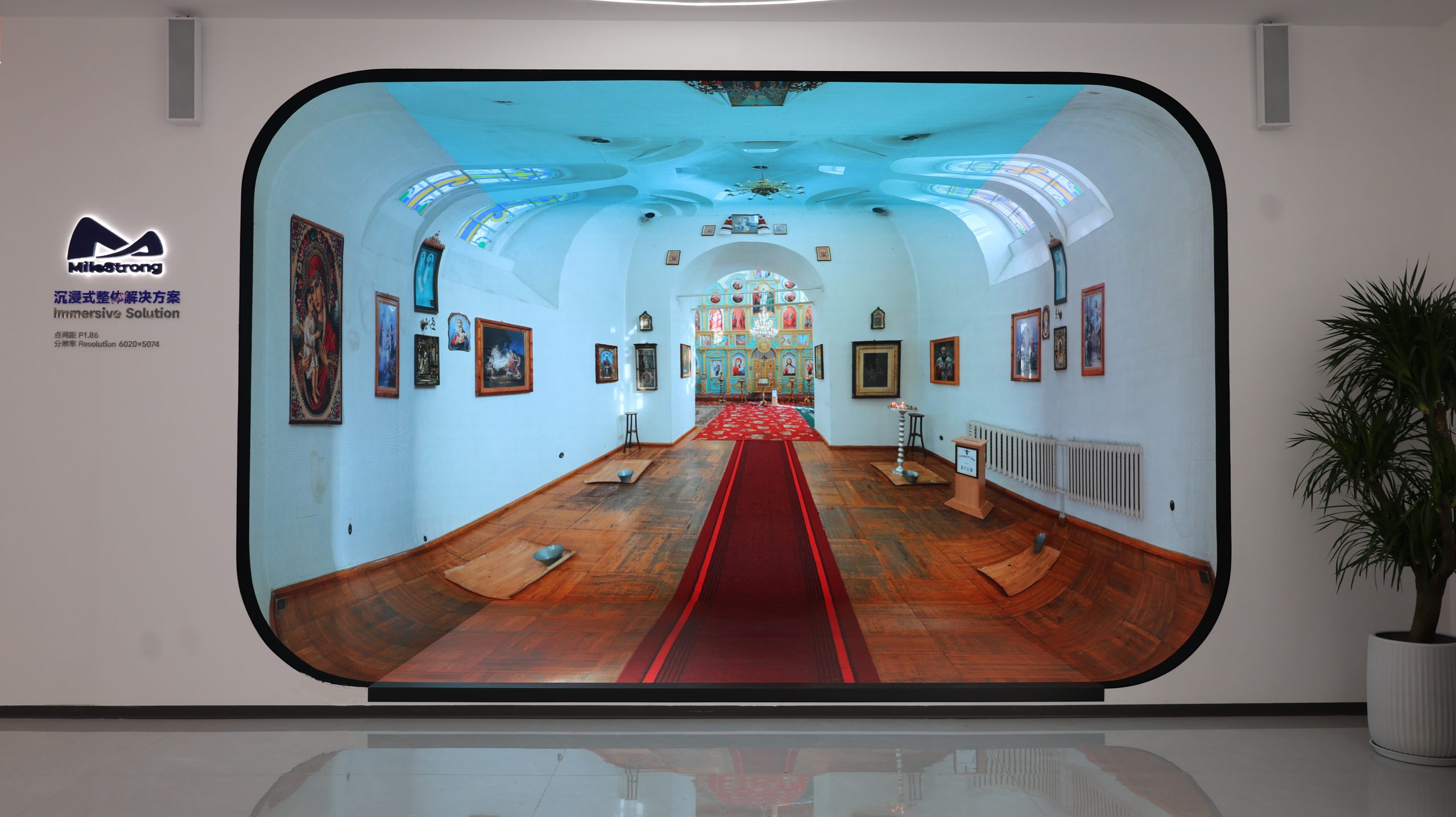
- Regular LED screens are fixed installations, designed for long-term stable use. They require minimal disassembly after installation, offering stable image quality and high durability, making them suitable for year-round, regular displays.
- Rental LED screens feature a modular, lightweight design. It supports rapid setup, disassembly, and transportation. They are shock-resistant and drop-resistant, with flexible size options, designed specifically for short-term, temporary events. They require no fixed installation and can be dismantled after use, maximizing mobility. The structure and usage characteristics of each determine their respective applicable scenarios and combination logic.
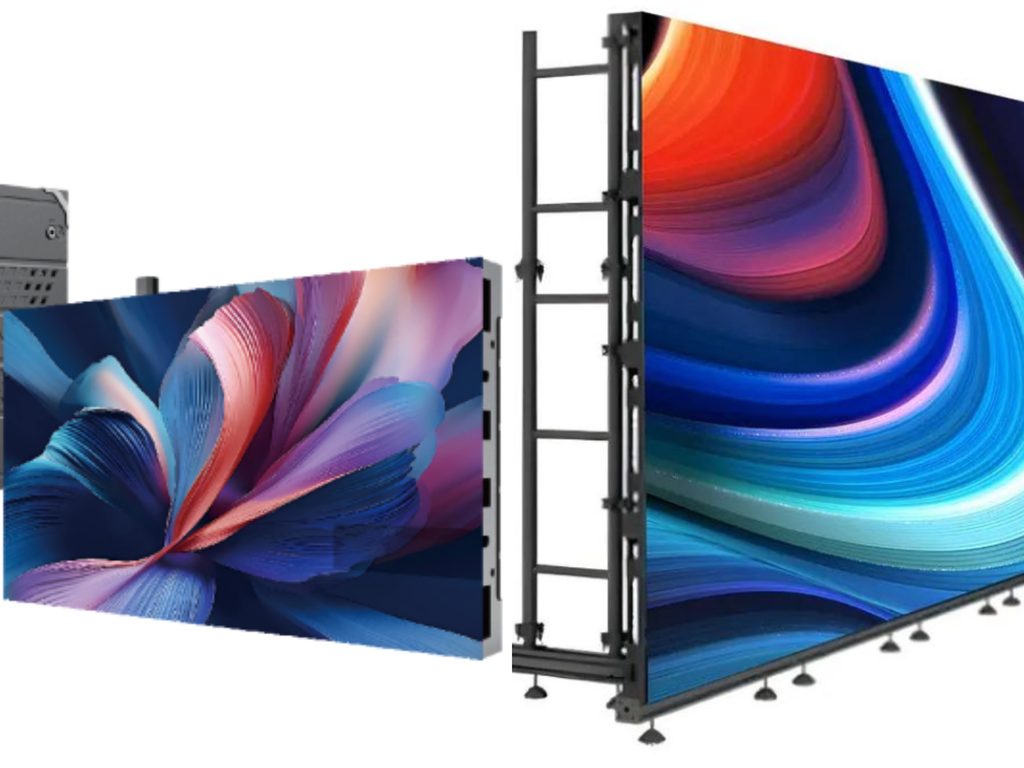
Rental LED and Regular LED Display Combinations in Different Scenarios
Shopping Malls and Commercial Complexes
Regular LED displays can be installed in key locations such as mall atrium, main passageways, and exterior walls for daily brand promotion, event announcements, and customer flow guidance. Content can be played continuously throughout the year, ensuring consistent visual display.
For anniversary celebrations, large-scale exhibitions, celebrity roadshows, and special holiday events, rental LED screens can be used in conjunction with regular led screens in the surrounding area, stage areas, and event photo zones. This allows for the use of regular led displays to create a suitable atmosphere for daily events, while rental led displays can be used to build dedicated large-screen displays for events, expanding the display area and creating immersive event scenarios. The screens can be dismantled after the event, requiring no long-term investment.
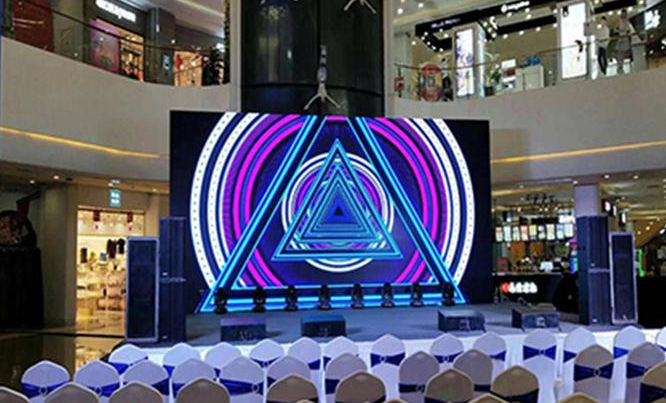
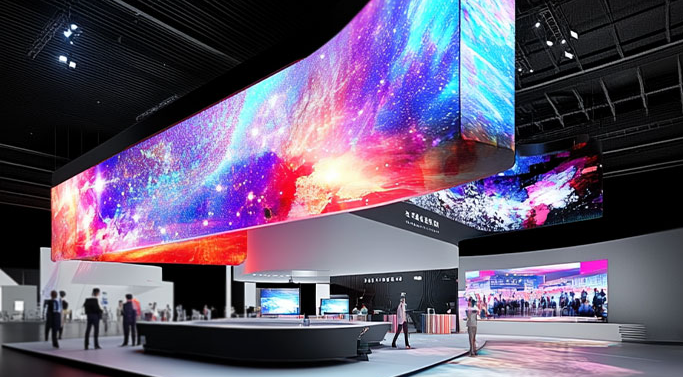
Corporate Showrooms and Conference Centers
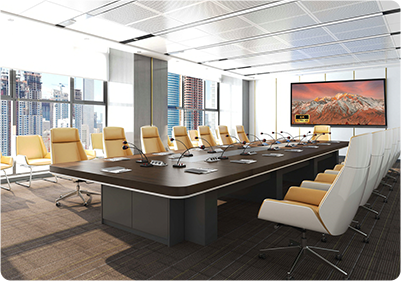
Regular LED displays can be used for the main backdrop of corporate showrooms and fixed large screens in conference rooms. These are suitable for daily corporate presentations, product displays, and projection in meetings, offering better cost-effectiveness and more stable image quality for long-term use.
For large-scale temporary events such as annual summits, investment conferences, new product launches, and special receptions for out-of-town clients, rental LED displays can be added. Rental led displays can be added to show highlights, real-time projection, and expand the visuals of breakout sessions, compensating for the limitations of fixed screens in terms of quantity and size, and adapting to the multi-screen display needs of large-scale events.
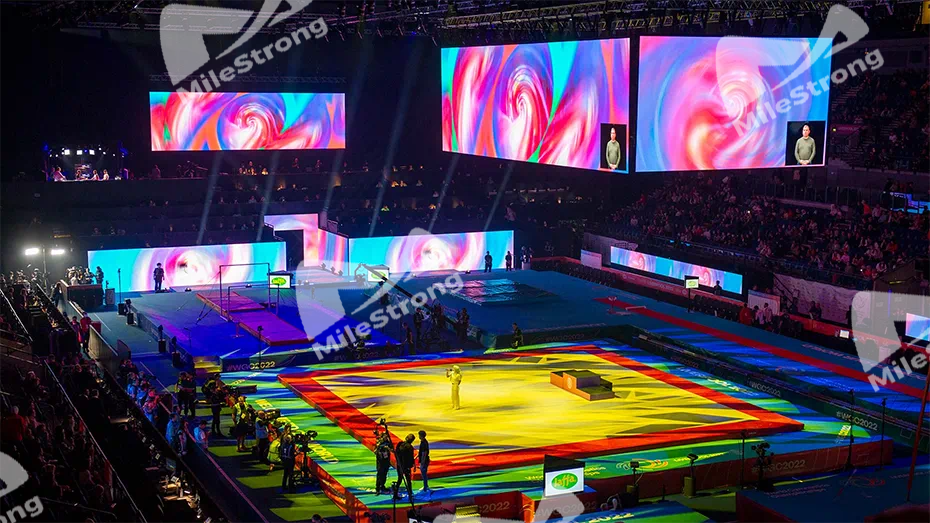
Stadiums and Cultural Tourism Venues
Scoreboards and promotional screens around stadiums, and landscape screens in cultural tourism venues, utilize regular LED displays to meet the needs of daily event scoring, routine promotion, and landscape lighting, ensuring long-term stable operation.
For concerts, cultural performances, and large-scale sporting events, rental LED displays are used in conjunction to construct the main stage screen, side screens, and floor screens.Regular fixed screens are responsible for creating the overall atmosphere and displaying basic information, while rental led screens focus on the core visual elements of the stage, offering flexible customization in size and shape to suit different event stage designs, providing far greater flexibility than fixed screens.
LED Display Matching Tips
First, follow the principle of “fixed led displays for long-term use, rental led screens for short-term use.”Install regular screens in fixed display areas, and use rental led screens for temporary events and scene upgrades, strictly controlling costs.
Second, when matching screens, ensure that the resolution and color parameters of the two screens are basically the same to avoid color differences and image quality gaps, ensuring the overall visual effect.
Third, plan the installation location in advance. Regular led screens need to reserve space for connecting, and ensure that rental led screens can be quickly assembled and disassembled without damaging the original fixed equipment and site structure.
Summary
Regular fixed LED displays ensure stability and cost-effectiveness for daily, routine displays, while rental LED displays compensate for the lack of flexibility of fixed screens, making them suitable for various temporary large-scale events. A reasonable combination of the two avoids the limitations of using a single device while maximizing cost control and enhancing display effects, making it suitable for most scenarios, including commercial, corporate, cultural tourism, and sporting events.