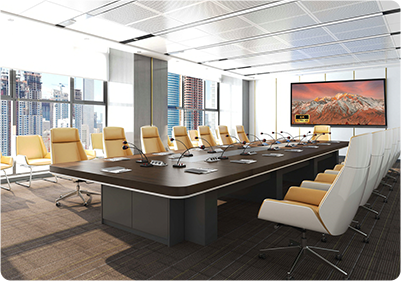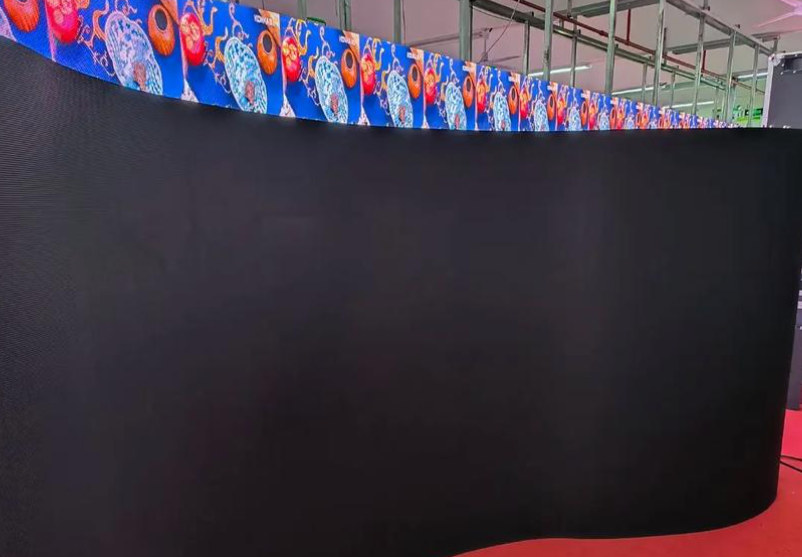


A few years ago, most meeting rooms were equipped with projectors or LCD video walls. Today, walk into the headquarters of a multinational company, a technology firm’s showroom, or a large conference center, and you will increasingly find fine-pitch LED displays. At international AV events like InfoComm and ISE, these products remain among the most visited exhibits.
Which brings us to a question that comes up more and more often: should a meeting room use an Indoor LED Display or an LCD Video Wall? The answer is not about which technology replaces the other. It is about which one fits your specific project.
Start With the Right Questions, Not the Spec Sheet
When buyers make their first enquiry, the instinct is usually to ask about resolution, brightness, or price. I prefer to start somewhere else.
- How large is the meeting room?
- How many hours a day will the display be in use?
- Is the primary use case video conferencing, or presentation and reporting?
- What is the typical viewing distance?
These questions matter more than specifications. The display exists to serve the meeting — not to look good on a comparison table.
LCD Video Wall Still Has a Place
Many articles frame LCD as a technology that has already been overtaken. I do not agree.
For meeting rooms with moderate budgets, mid-range display sizes, and longer viewing distances, LCD Video Wall remains a mature, stable, and cost-controllable solution. A small or medium meeting room with a screen under 110 inches, used primarily for presentations, video conferencing, or data display — LCD handles this well.
- Installation is straightforward.
- The maintenance ecosystem is well established.
- Purchase costs are easier to predict and control.
If the project has no special requirements, LCD is still worth serious consideration.
Where LED Display Makes a Real Difference
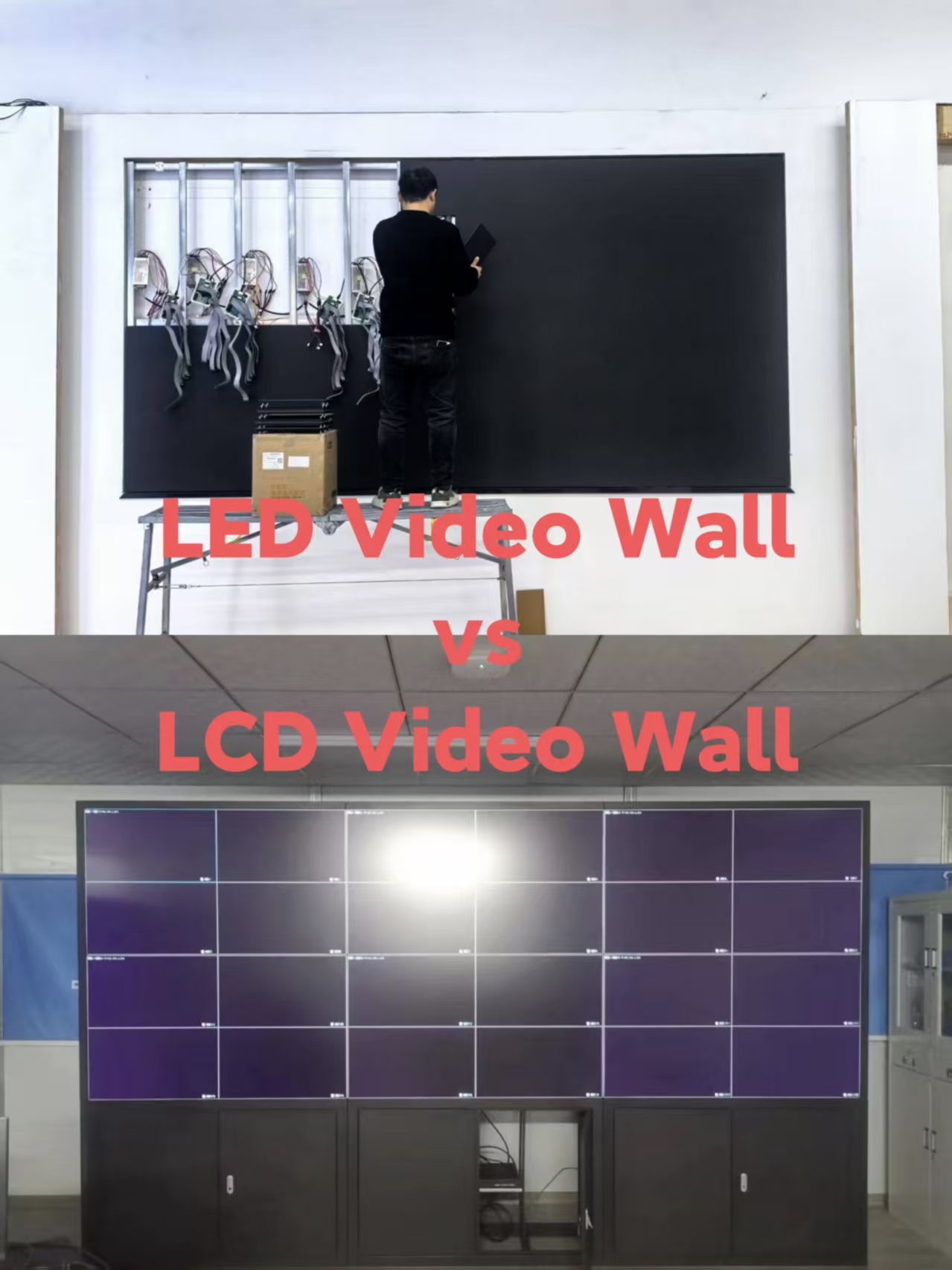
As screen sizes increase, LCD runs into a problem it cannot solve: the bezel gap.
Even with ultra-narrow frame splicing, the image is divided by the frame structure. When the content includes CAD drawings, detailed data reports, or high-definition video, that visual interruption becomes difficult to ignore.
LED screen does not have this problem. The image is continuous and complete — an advantage that becomes more noticeable as screen size grows.
I visited a European company’s new conference center where the main display wall used a 135-inch fine-pitch LED display. When architectural drawings were shown during the session, every fine line remained unbroken. No splicing frame interrupted the reading experience. After the meeting, what people talked about was not resolution — it was how natural the viewing felt. That is one of the main reasons more organizations are upgrading their meeting rooms to LED video wall.
Cost Means More Than the Purchase Price
A common pattern in procurement: the LED screen quote comes in higher, so LCD is chosen. This comparison only accounts for the first purchase.
What actually affects the project budget over time is the full usage period.
An LCD video wall consists of multiple liquid crystal panels, each with its own backlight system. After years of operation, brightness uniformity and color consistency gradually diverge across panels. Replacing a single panel then requires recalibration of the surrounding units.
LED displays carry a higher upfront cost, but modular maintenance is more straightforward. If one section develops a fault, only the affected module needs to be replaced — the rest of the wall keeps running. For large organizations where meetings happen every day, the cost of downtime and repair time often exceeds the cost of the hardware itself.
Installation Space Is Worth Considering Too
One factor that frequently gets overlooked: the wall conditions in the meeting room.
LCD video walls require a spliced frame structure, mounting hardware, and rear access space for maintenance. Front-access fine-pitch LED display solutions have matured considerably — many installations can be mounted directly to the wall with no gap required behind the display. Overall space utilization is higher.
Practical Recommendation for Your Project
After working on a range of meeting room projects over the years, I have seen the priorities shift. More clients are now asking about meeting experience, equipment lifespan, ongoing maintenance, and whether the system will still meet the organization’s digital workplace needs in three to five years.
- For small and medium meeting rooms with limited budgets, focused on daily meetings and document presentation, LCD Video Wall remains competitive.
- For projects that require a seamless image, a larger display size, better consistency across the surface, and a system planned for long-term use — Indoor LED Display is usually the better investment.
The most capable display system is never the one with the most impressive specifications. It is the one that continues to serve every meeting reliably for the next five years and beyond.