
9 Types of Transparent LED Displays: How to Choose the Right Solution
As the public increasingly seeks the ultimate in transparency, transparent LED displays are being increasingly adopted in settings such as brand shop windows, shopping centre atriums, stages, exhibition halls and building façades. Why is this? It is precisely because of the key feature of transparent LED displays: their ability to display dynamic images whilst preserving, as far as possible, the original natural light and transparency of glass curtain walls or shop windows.
However, the current market offers a range of transparent LED products, including front-lit, side-lit, film-type screens, crystal-film screens, COB transparent screens and mesh screens.
So, what types of transparent LED displays are actually available? And how should one select the appropriate option for different projects?
What Are the Main Types of Transparent LED Displays?
Transparent LED display products currently available on the market can be categorised according to their light-emitting structure, packaging method, installation method and operating environment. The following nine product categories are particularly representative.
Front-Emitting Transparent LED Display
Front-emitting transparent LED displays typically utilise standard SMD LEDs, with the LEDs and driver components arranged on a PCB board featuring a perforated structure.
This product utilises mature technology and highly standardised components, offering certain advantages in terms of stability and manufacturing processes.
Side-Emitting Transparent LED Display
Side-emitting transparent LED displays use specialised side-emitting LED chips, which are mounted on PCB light strips.
Due to differences in the light-emitting structure and light strip design, these products typically achieve a high open-area ratio, whilst offering greater design flexibility in terms of size variations and non-standard structures.
Front-Emitting with Side-Mounted LED Display
Front-emitting, side-mounted transparent LED displays combine front-emitting LEDs with a side-mounted structure, utilising a specially treated PCB cross-section for LED mounting.
This design balances the performance characteristics of conventional SMD LEDs with the spatial advantages of a side-mounted structure, making it suitable for glass curtain wall projects with complex dimensions.
LED Film Display
An LED film display is a lightweight, thin, transparent display product that typically utilises integrated driver LEDs and ultra-thin perforated PCBs, protected by a transparent film and PC material.
Compared to traditional transparent LED displays, one of its key features is its lighter weight, allowing for direct mounting onto glass, thereby imposing a relatively small additional load on the existing glass structure.
Crystal Film LED Display
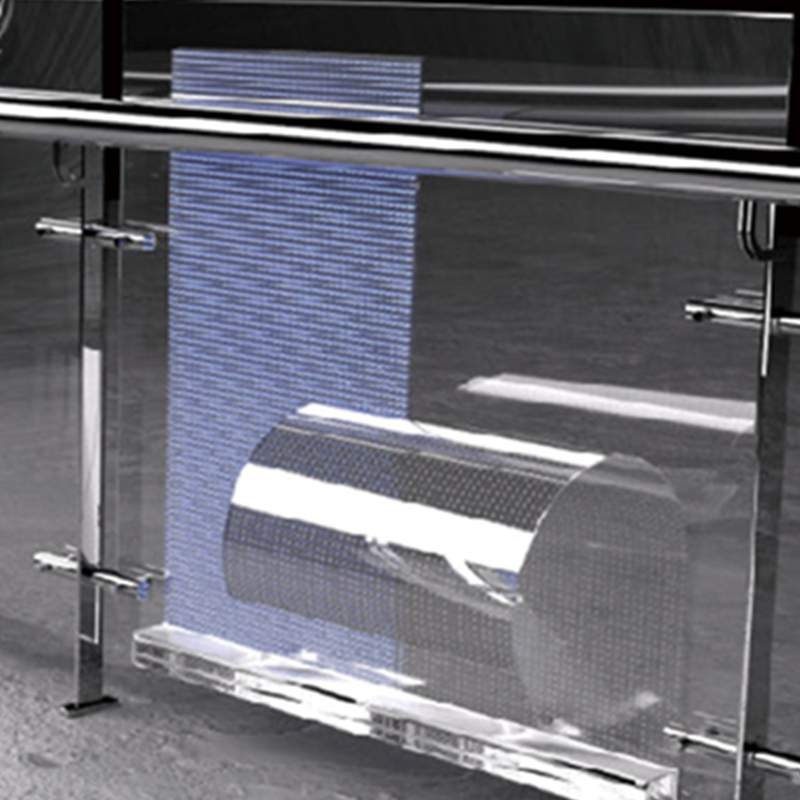
Crystal film displays, also known as soft film displays or thin-film displays, are among the most flexible types of transparent LED products.
Their LED chips are integrated with a transparent conductive film substrate, resulting in an overall structure that is lighter and thinner, whilst offering a degree of flexibility and bendability.
COB Transparent LED Display
COB transparent LED displays utilise COB packaging technology, in which LED chips are directly integrated onto a PCB with a high open-area ratio and then protected by encapsulation material.
Compared to traditional surface-mount structures, the COB solution offers certain advantages in terms of impact resistance, moisture protection and reliability, and is therefore capable of meeting the requirements of certain applications with high demands for product stability.
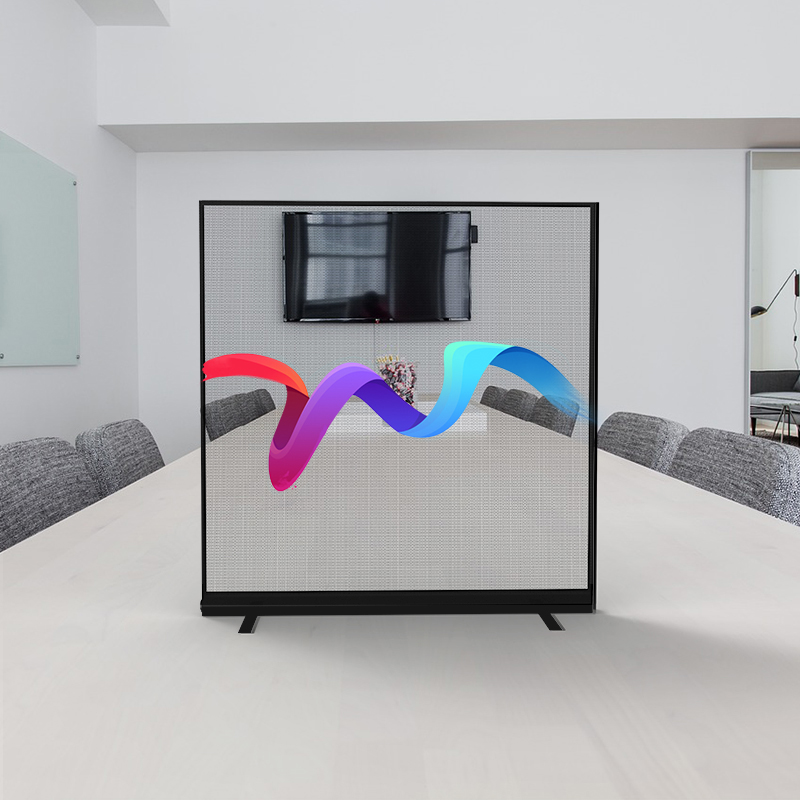
LED Glass Display
Electro-optical glass is a product form that combines LED display functionality with transparent glass. LED chips and related display structures are integrated onto transparent conductive glass, enabling the display components themselves to be combined with the functionalities of architectural glass.
This product does not simply involve adding an LED screen to glass, but rather fuses building materials with display technology.
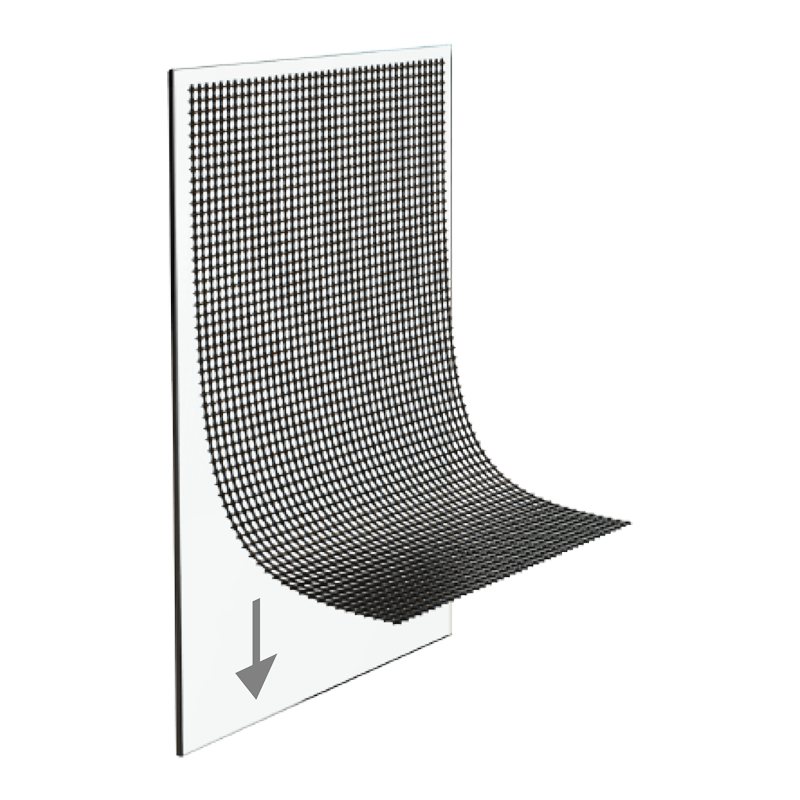
Outdoor Transparent LED Display
Outdoor transparent LED displays are primarily designed for outdoor environments. They incorporate appropriate protective features based on the transparent LED structure and enhance the product’s water resistance and environmental adaptability through methods such as potting.
Compared to standard indoor transparent screens, outdoor products must take into account factors such as rain, dust, sunlight and long-term operation.
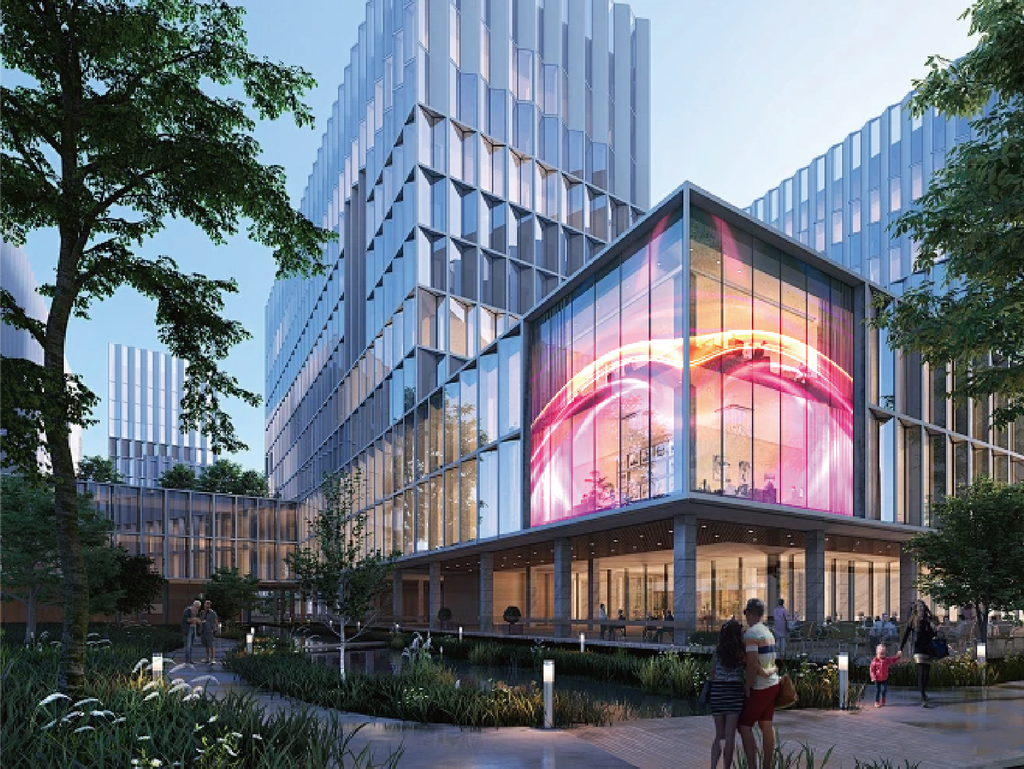
LED Mesh Screen
Mesh screens, also known as LED strip screens, are a common product used in outdoor architectural displays and building illumination.
They typically consist of PCBA LED strips and an aluminium profile frame, and are protected by methods such as potting. As there is a considerable amount of open space between the LED strips, the overall transparency is high, making them suitable for large-scale installations.
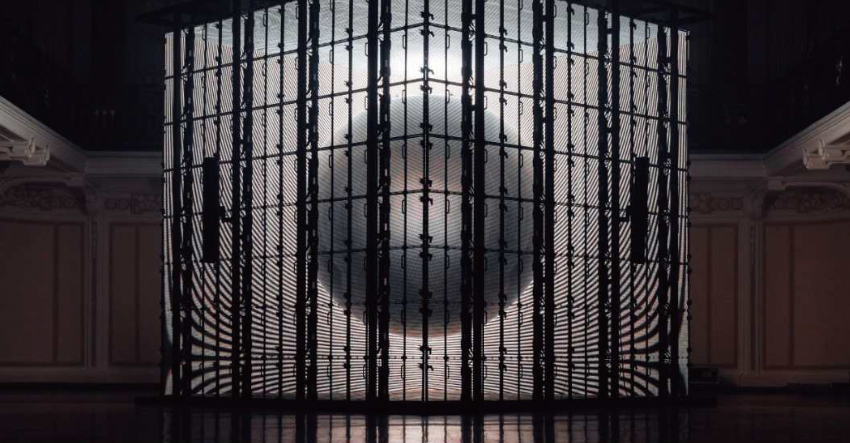
How to Choose the Right Transparent LED Display?
When faced with different types of transparent LED products, project owners should not base their selection solely on price; it is far more important to first determine the installation environment, building structure and display requirements.
- Shop windows and fixed-size projects
For indoor brand stores, shop windows or commercial spaces with standard dimensions, front-lit transparent LED displays should be the first choice.
- Glass curtain walls and irregularly shaped projects
If the project involves curved glass, irregularly shaped buildings or curtain walls with significant variations in size, side-emitting and front-emitting side-mounted transparent LED displays should be given priority consideration.
- Projects requiring direct application to glass
If the project aims to avoid complex steel structures whilst minimising the impact on the existing glass, LED film displays are a suitable option.
- Indoor spaces requiring a flexible and slim profile
For scenarios such as glass partitions, atrium railings and high-end exhibition halls, crystal film displays and electro-optic glass can provide a more seamlessly integrated display solution.
- Outdoor architecture and building illumination
For outdoor building façades and large-scale illumination projects, priority should be given to outdoor transparent LED displays and mesh screens; the protection rating, brightness and structural design should be determined in accordance with the local environment.