
For buyers, more practical questions are now entering the decision-making process:
- Will an LED display system run reliably over the long term?
- Are maintenance costs manageable?
- Can the technology platform accommodate future upgrades?
In the past, procurement teams typically compared pixel pitch, brightness, and refresh rate first. But as LED display applications have expanded well beyond advertising into more application areas, the criteria for evaluating project value have become more comprehensive. Choosing an LED display is no longer just choosing a visual output. It is choosing a long-term operating system.
DOOH LED Projects: Energy Costs Are Entering the Conversation
High brightness has always been a priority for DOOH LED displays. The reason is simple. In direct sunlight, brightness determines whether content is visible. But brightness is not the only consideration.
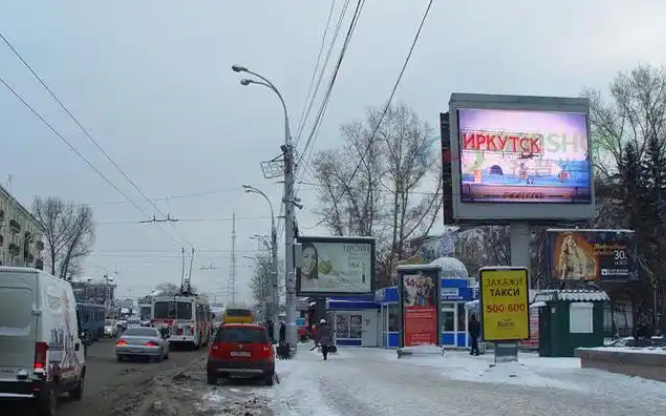
City landmarks, commercial building facades, and transit hub displays typically run for long hours every day. Once deployed, the ongoing electricity consumption, maintenance expenses, and operational management costs steadily affect the project’s overall return.
Thus, more buyers are reassessing the total value of outdoor LED displays. What they are looking at now includes:
- Daily operating power consumption
- Stability under extended continuous operation
- Maintenance intervals
- Cost of future upgrades
Energy-saving technologies like Common Cathode Technology are getting more attention as a result. This does not mean brightness is becoming less important, while it means the evaluation framework is becoming more complete.
COB and MIP: Buyers Are Thinking About Next-Generation Packaging
Beyond energy efficiency, packaging technology has been one of the most discussed topics since InfoComm. For the Fine Pitch LED Display, COB and MIP have emerged as the two main technology directions.
- COB (Chip on Board) bonds LED chips directly to the PCB, improving the protection level of the display module. It is well suited to applications with high stability requirements — meeting displays, command centers, and high-end commercial environments.
- MIP (Micro LED in Package) takes a different path. It packages Micro LED chips into miniature components first, which are then assembled using standard SMT processes.
At this point, neither technology simply replaces the other.
- If the project prioritizes reliability and protection, COB still holds a clear advantage.
- If the project is focused on manufacturing flexibility and future Micro LED development, MIP is the more relevant direction.
Maintenance Capability Matters to LED Display Buyers
Installation is not the end of the story. What most affects the client experience is how the system performs after it has been running for months and years.
In airports, sports venues, and commercial centers, display systems handle continuous information delivery, live event broadcasting, or data presentation. When something goes wrong, downtime directly affects operational efficiency.
More buyers are now evaluating maintenance design before committing to a purchase:
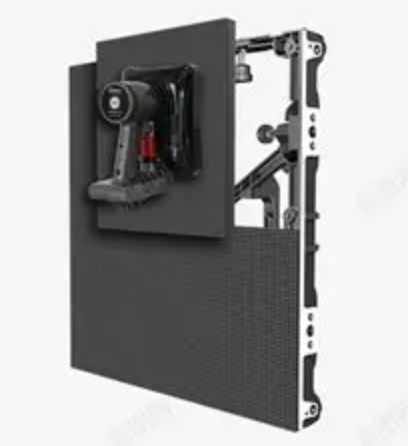
- Does the display support front maintenance, rear maintenance, or both?
- Are modules magnetic for easy removal?
- Are spare parts readily available?
- Does the manufacturer offer remote technical support?
Real Applications: LED Displays Are Integrating Into More Environments
The evolution of LED display technology is also changing the relationship between display hardware and physical space.
- In sports venues, major global events have moved beyond using LED screens purely for scoreboards and advertising. Large-scale displays are now a core part of venue design. The ring display system at SoFi Stadium combines large-format LED, event content, and live audience interaction to create a more immersive information experience.
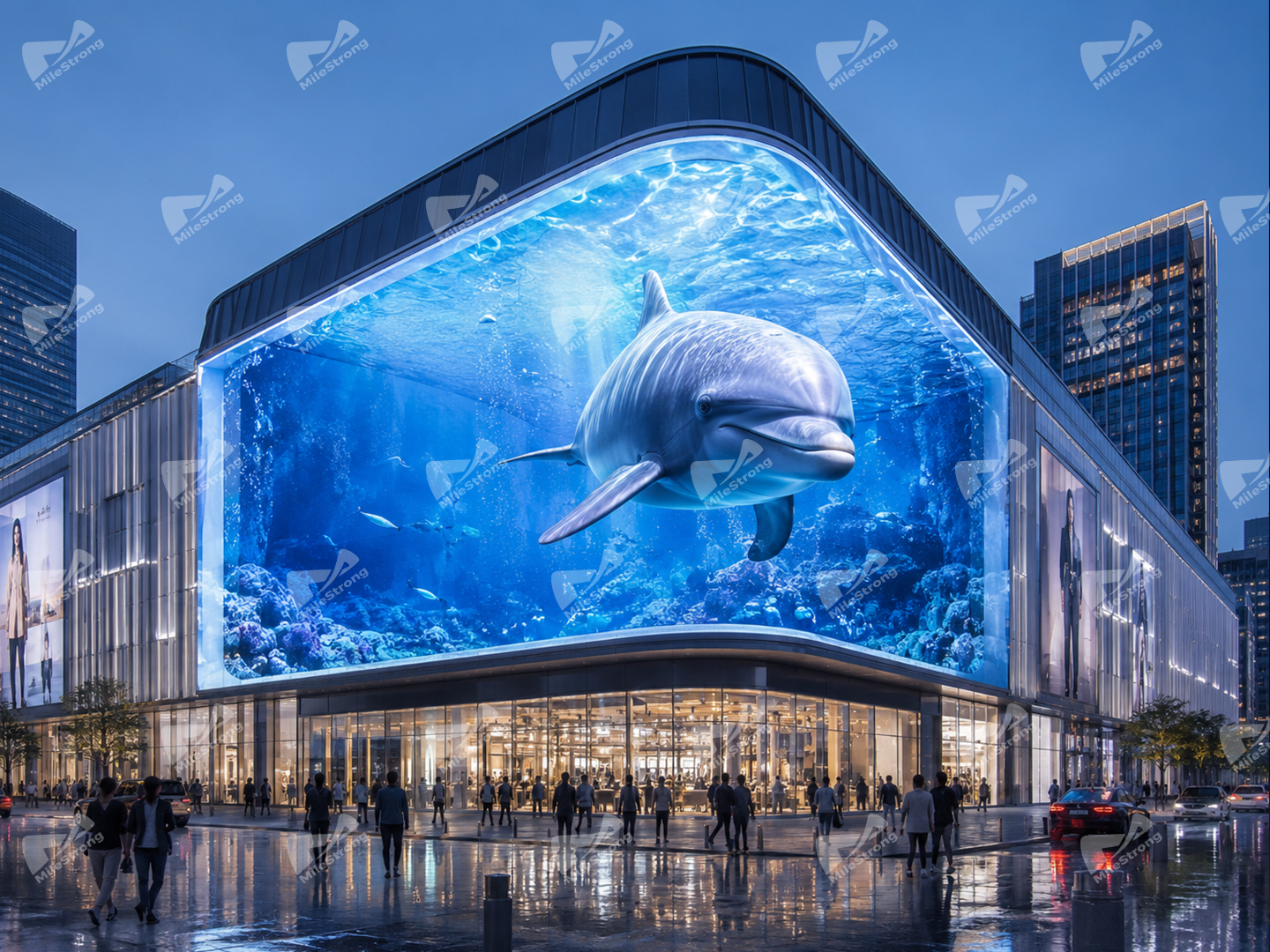
- In retail and brand spaces, more flagship stores are adopting Transparent LED Displays and Creative LED Displays to integrate digital content with architecture. Samsung’s flagship showroom spaces have long used Micro LED, transparent display, and high-end commercial display technology to present brand content and product experiences.
LED Display Buyers Are Also Evaluating Project Fit
Looking at where the industry is heading, competition in the LED display market will not center on any single technology.
Different applications have different priorities:
- Command centers prioritize stability and continuous operation.
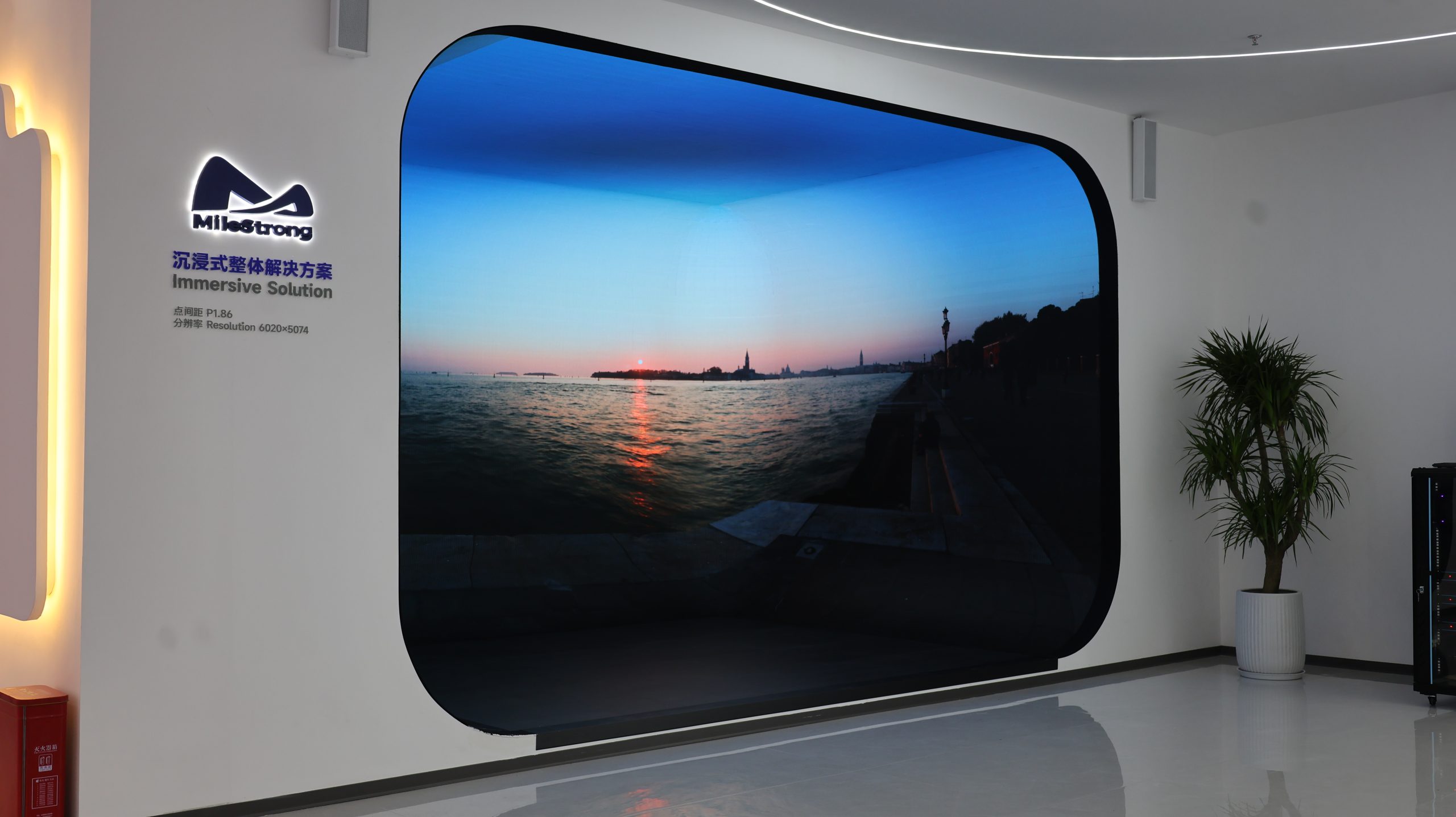
- Commercial spaces prioritize visual experience and design integration.
- DOOH LED projects prioritize energy efficiency and environmental adaptability.
- XR and virtual production prioritize color accuracy and system coordination.
In conversations with overseas clients, MileStrong has observed that more buyers are asking about Fine Pitch LED Displays, Outdoor LED Displays, Transparent LED Displays, and Creative LED Displays in the same enquiry — rather than asking about a single product. For manufacturers, this signals that the competitive focus is shifting from individual product sales toward broader technical support built around application needs.
LED Display Procurement Is Moving Toward Long-Term Value
One of the clearest trends coming out of InfoComm 2026 is that LED display procurement is moving from parameter comparison toward comprehensive evaluation.
- Energy efficiency
- Maintenance accessibility
- Technology
- Spatial adaptability
- Long-term service capability
In the years ahead, as Micro LED, MIP, COB, AI content management, and intelligent control systems continue to develop, the LED display industry will keep evolving. The buyers who get the most from that evolution will be the ones who are evaluating the full picture — not just the spec sheet.