
An outdoor LED display is an LED display system designed specifically for outdoor environments. It uses large numbers of LED pixels to form a display surface that can be scaled — from small commercial screens to large outdoor video walls, digital billboards, and building facades.
Outdoor LED displays face challenges that go beyond brightness.
Selecting the right outdoor LED display typically requires considering viewing distance, brightness, protection rating, pixel pitch, cabinet structure, maintenance method, and power consumption, and these factors are not independent of each other.
An outdoor LED screen typically consists of LED modules, LED cabinets, power supplies, receiving cards, and a control system. The LED modules form the display image. The cabinets provide structural support, house the modules, and protect the system from outdoor environmental exposure.
Pixel Pitch is one of the most direct parameters affecting image performance. It refers to the distance between the centers of two adjacent LED pixels.
Brightness is equally central to outdoor LED display performance. Because outdoor environments involve significant ambient light, the brightness levels used in indoor displays are not suitable for sunlit viewing conditions. Outdoor configurations typically range from approximately 5,000 to 6,500+ nits, depending on the specification.
IP protection rating, cabinet material, heat dissipation, and maintenance design are also important considerations. For permanent installations, these factors directly affect operational stability and long-term maintenance costs.
| Indoor LED Display | Outdoor LED Display | |
| Brightness | Suited to indoor ambient light | Typically 5,000–6,500+ nits |
| Environmental protection | High-level protection generally not required | Typically IP65/IP66 |
| Operating environment | Relatively stable temperature and humidity | Exposed to sunlight, rain, dust, and temperature variation |
| Cabinet design | Indoor installation focus | Balances protection, heat dissipation, and outdoor structure |
| Viewing distance | Typically close range | From close commercial viewing to long-range advertising |
| Typical applications | Meeting rooms, studios, indoor commercial spaces | Billboards, stadiums, building facades, transportation infrastructure |
Large outdoor LED display projects share a common characteristic: viewers are not concentrated at a fixed position.
But a large screen does not necessarily require the smallest pixel pitch. For a billboard viewed from a long distance, P6, P8, or P10 may fully meet the viewing requirement. In a dense commercial environment where viewers are closer, a finer pixel pitch may be appropriate. The right choice depends on the actual viewing conditions.
Outdoor LED Display is not a single fixed product category. Different installation methods, viewing distances, screen sizes, and operating environments produce different product types.
Fixed Outdoor LED Display is used for permanent long-term installations including digital billboards, commercial buildings, stadiums, and large outdoor media screens. These installations are not frequently assembled and disassembled, so the cabinet design prioritizes structural stability, environmental protection, heat dissipation, and maintenance access rather than transport convenience.
For a display planned for permanent installation on a building facade or billboard structure, the following should be confirmed before procurement:
Fine Pixel Pitch Outdoor LED Display is suited to outdoor projects where viewing distance is relatively short.
Applications include commercial building entrances, commercial complexes, outdoor retail environments, close-range digital advertising, and outdoor scenarios where image detail is a higher priority.
Large Format Outdoor LED Display is designed for wide-area outdoor display such as digital billboards, stadiums, large commercial buildings, and urban media installations. For projects of this scale, pixel pitch selection directly affects total project cost, since a larger screen area with a finer pixel pitch requires significantly more LED pixels.
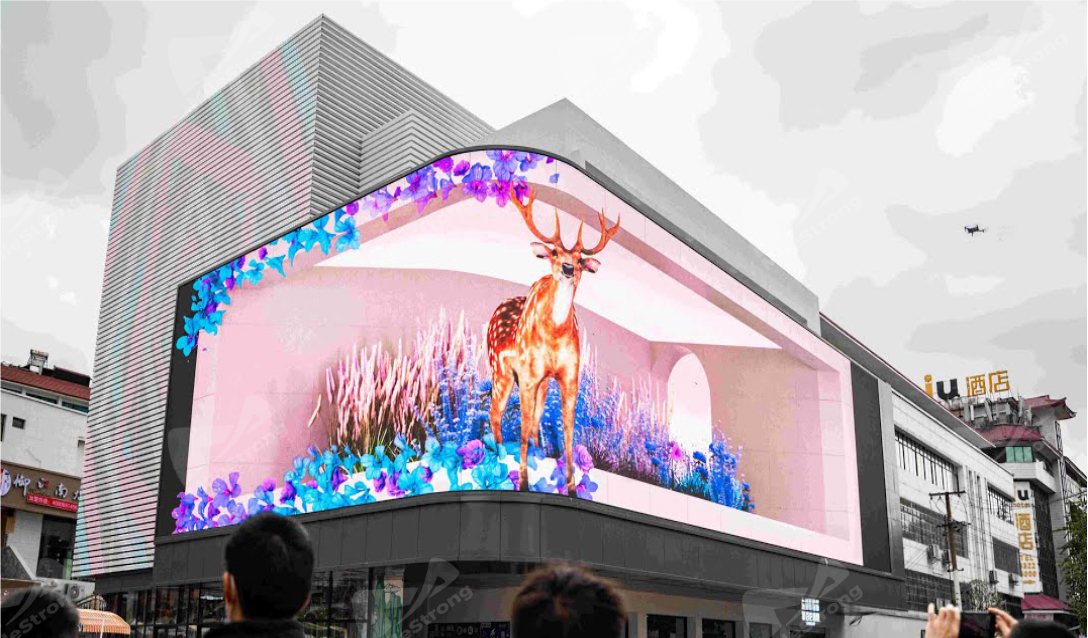
Creative Outdoor LED Display moves beyond the conventional flat rectangular form. Depending on the architecture or project design, curved, corner, and other structural configurations allow the LED display to follow the building’s contour more closely. These installations can be built into distinctive shapes that function as city landmark destinations. Each project of this type requires individual design based on its specific requirements.
| Key Feature | Description |
| High Brightness | Outdoor LED displays need to perform under direct sunlight and high ambient light. Brightness can reach 5,000–6,500+ nits. |
| IP65/IP66 Protection | Outdoor LED screens face long-term exposure to rain, dust, and moisture. IP65/IP66 protection combined with cabinet sealing, drainage, and cable protection reduces the risk of water and dust ingress. |
| Energy Efficient Technology | Common Cathode precision power delivery design reduces power supply consumption. |
| Curved and Corner Design | For non-planar structures such as architectural corners and curved facades, corresponding cabinet designs enable curved and corner LED Display configurations. |
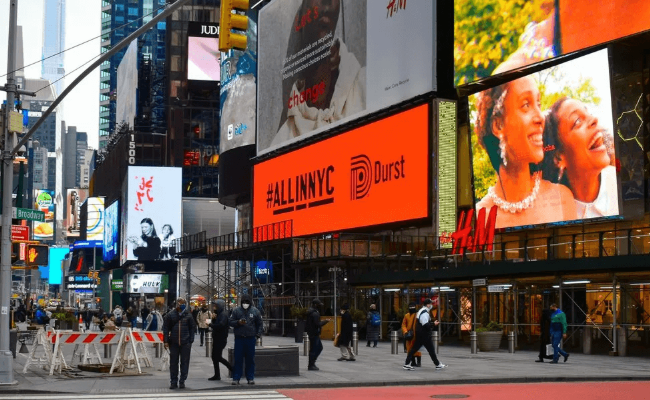
MileStrong Outdoor LED Display is used for outdoor billboard and DOOH installations, delivering high-brightness digital advertising display for roads, commercial districts, and public spaces.
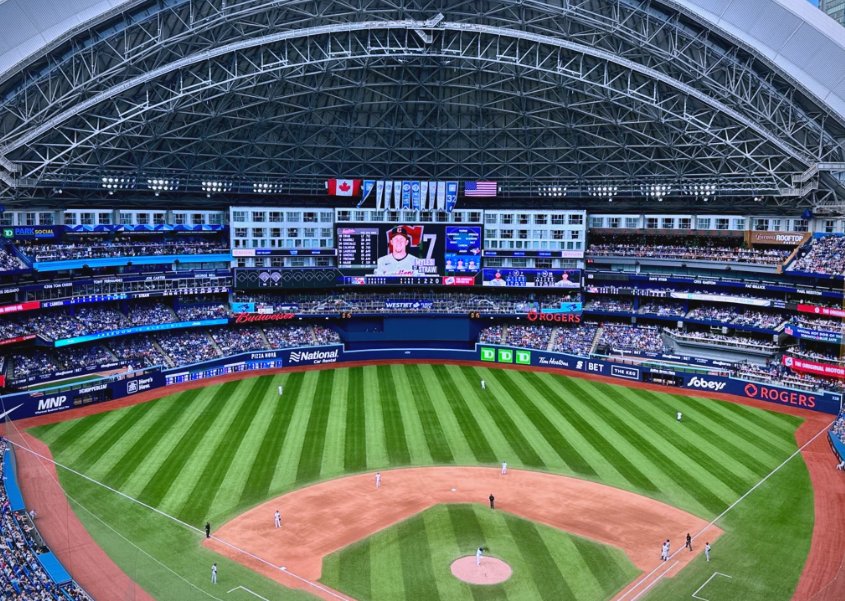
MileStrong Outdoor LED Display can be used for stadium perimeter advertising, event information, and live content display. For the high-speed dynamic imagery typical of sports events, the system supports 3,840Hz and 7,680Hz high refresh rate configurations.
MileStrong Outdoor LED Display can be installed on commercial buildings and architectural facades, using large-format LED display surfaces to carry advertising, brand content, and architectural media visuals.
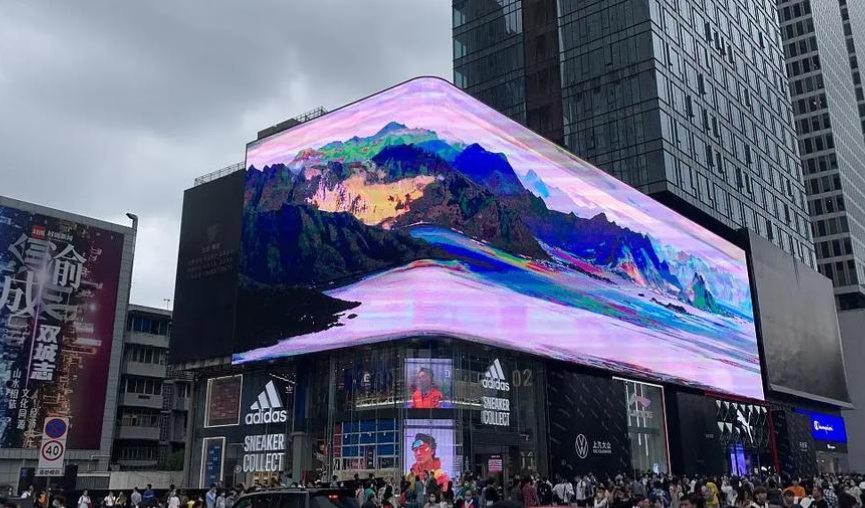
MileStrong Outdoor LED Screen is suited to shopping centers, commercial plazas, entertainment spaces, and other outdoor commercial environments. Pixel pitch, brightness, and screen size can be selected based on the on-site viewing distance and installation position.
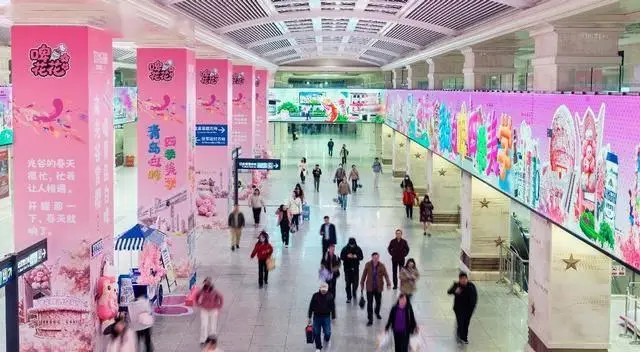
MileStrong Outdoor LED Display can be applied in airports, transportation hubs, and urban public spaces for advertising, public information, and city digital content delivery.
| Specification | Available Configuration |
| Pixel Pitch | P1.3–P10 |
| Brightness | 5,000–6,500+ nits |
| Refresh Rate | 3,840Hz / 7,680Hz |
| Grayscale | Up to 16-bit |
| Protection Rating | IP65 / IP66 |
| Viewing Angle | Up to 140°/160° |
| Cabinet Material | Aluminum profile |
| Maintenance | Front & Rear Maintenance |
| Working Temperature | Approximately −20°C to 60°C |
| Working Humidity | Approximately 10%–85% RH |
| Peak Power Consumption | Approximately 550–650 W/m² |
| Average Power Consumption | Approximately 100–200 W/m² |
| Color Temperature | Adjustable according to configuration |
| Selection Factor | Key Consideration |
| Choose Pixel Pitch Based on Viewing Distance | P1.3–P3.9 for closer-range outdoor projects; P6–P10 for large billboard and long-distance viewing applications. Avoid selecting a finer pixel pitch than the viewing distance actually requires — it adds cost without a visible improvement. |
| Select the Right Brightness Level | Base brightness selection on sunlight intensity, screen orientation, and surrounding obstructions. Strong direct sunlight environments typically require 5,000 nits or above; some projects may need 6,000–6,500+ nits. |
| Check Weather Protection Requirements | IP65/IP66 is recommended for outdoor projects. Confirm cabinet sealing, drainage, and cable protection in addition to the IP rating to reduce rain and dust-related failure risk. |
| Consider Installation and Maintenance Requirements | Choose front or rear maintenance based on available site access. Confirm cabinet weight, mounting method, and service clearance before installation to avoid maintenance difficulties later. |
| Evaluate Long-Term Operating Cost | Do not compare purchase price alone. Consider average power consumption, daily operating hours, and maintenance frequency. |
Selecting an outdoor LED display supplier involves more than the LED module itself. Cabinet engineering, power supply, control system, production consistency, and project implementation support all matter.
MileStrong provides OEM and ODM support, with customization available for structure, branding, and product configuration based on project requirements.
As an established direct manufacturer, MileStrong offers a comprehensive product range covering indoor commercial, outdoor engineering, rental staging, and creative custom display applications — combining standardized high-quality products with individually tailored solutions.
No single configuration fits all Outdoor LED Display projects. Product specifications can be adjusted to match project requirements, including pixel pitch, screen size, brightness, cabinet structure, protection level, maintenance method, and installation environment.
Real outdoor LED display installations are affected by local climate, building structure, site conditions, and operating schedules. We provide project consultation, technical communication, installation guidance, and after-sales support for distributors, contractors, and system integrators internationally.
An Outdoor LED Display is a direct-view LED display system designed for outdoor environments, typically incorporating high-brightness LEDs, IP65/IP66 protection, and outdoor-grade cabinet construction. It is used for billboards, stadiums, building facades, commercial spaces, and public infrastructure.
The right brightness depends on the installation location and ambient light conditions. Strong direct sunlight environments typically require approximately 5,000 nits or above; some demanding applications may need 6,000–6,500+ nits. Not every project requires maximum brightness — selection should be based on direct sun exposure, screen orientation, and surrounding obstructions.
Outdoor LED displays can be configured with IP65/IP66 protection to resist rain and dust in outdoor environments. However, an IP rating alone does not replace complete engineering protection. Installation must also address cabinet sealing, drainage, cable connections, and mounting structure.
Pixel pitch is primarily determined by viewing distance. P1.3–P3.9 is better suited to outdoor projects viewed at relatively close range; P6–P10 is more appropriate for large billboards and long-distance viewing applications. Screen size alone is not a sufficient basis for pixel pitch selection.
Operational lifespan is affected by LED component quality, brightness settings, working temperature, power supply stability, heat dissipation, and maintenance practices — so a single fixed number is not a reliable guide. Long-term outdoor projects need to consider product design, operating environment, and maintenance conditions together. MileStrong products support continuous all-weather operation.
Price depends on pixel pitch, screen size, brightness, cabinet structure, protection rating, control system, and installation requirements. A smaller pixel pitch requires more LED pixels per unit area, increasing module cost. For large projects, steel structure, installation, electrical infrastructure, and maintenance facilities can also represent a significant portion of total project cost. To provide an accurate quote, the following information is needed at minimum: screen size, pixel pitch, viewing distance, installation environment, and brightness requirement.
Selecting an outdoor LED display should not start with “which model has the lowest price.” It should start with the actual conditions of the project.
For outdoor advertising, stadium, building facade, commercial, and transportation applications, only by considering these factors together can the right outdoor LED display configuration be identified.
