
The landscape of LED displays is evolving rapidly, driven by advancements in technology and the demand for smarter operation. As LED technology progresses, the integration of smart display systems has become essential for LED display projects. This shift is transforming how LED screens are designed, installed, and operated.
Traditional LED displays primarily focused on brightness, resolution, and reliability. However, today’s customers prioritize ease of use, remote control capabilities and content diversity. Consequently, there is a growing need to incorporate smart technologies and integrated systems into the design and construction of LED displays.
Technology Upgrades
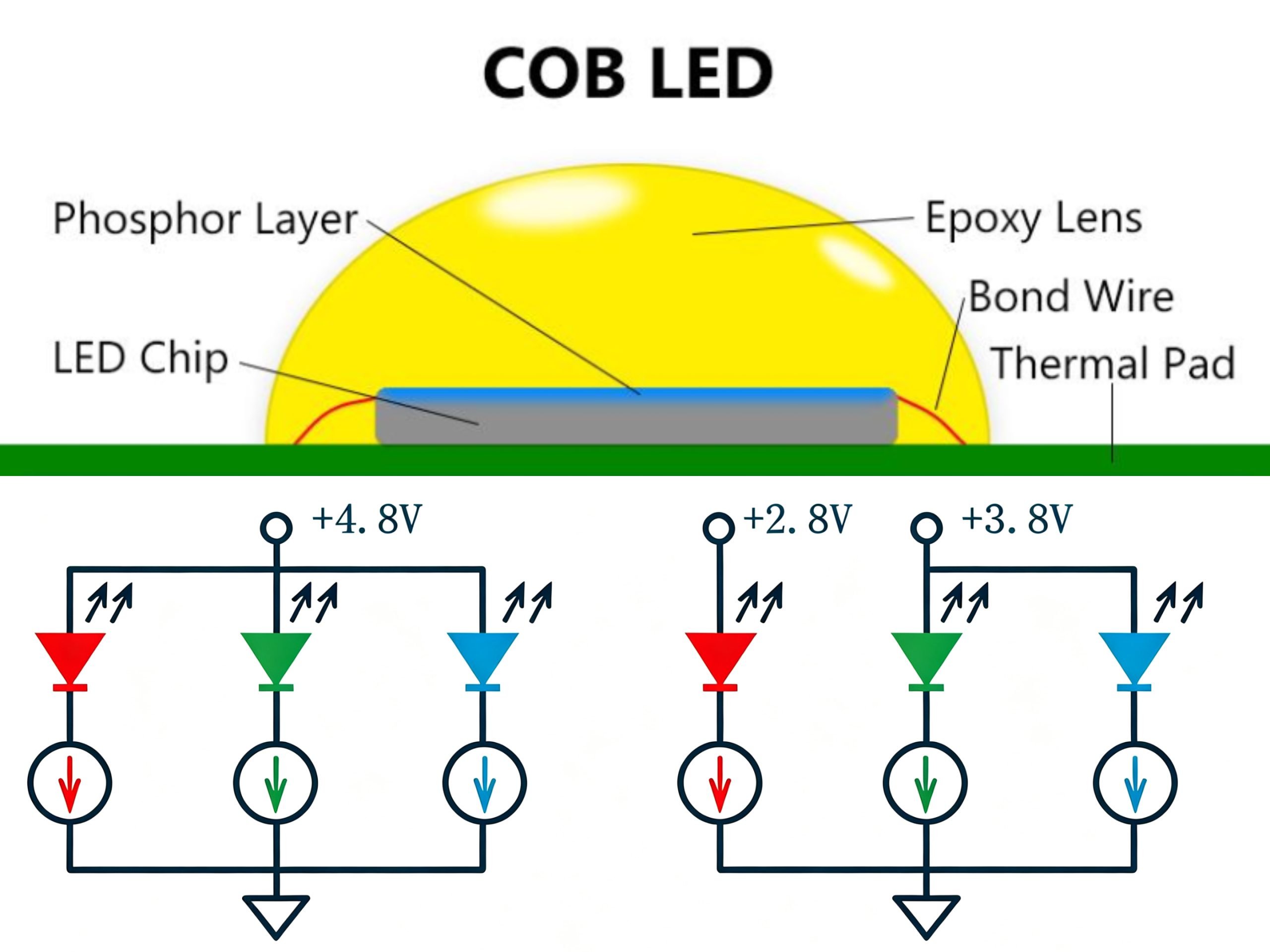
The development of COB technology, fine-pitch LED, energy-saving technology, and advanced control systems is creating more options for commercial led display projects. These technologies can help improve image quality while supporting more flexible installation and operation.
For example, fine-pitch LED displays are increasingly used in meeting rooms, control rooms, showrooms, and commercial spaces. A smaller pixel pitch provides a clearer image at a short viewing distance. This is especially useful when customers need to display detailed graphics, data, or video content.
Energy efficiency is another important part of LED technology development. Common-cathode technology and other power-saving designs can help reduce operating power in suitable applications. As a result, users can pay more attention to long-term operating costs instead of focusing only on the initial equipment investment.
Intelligent Display
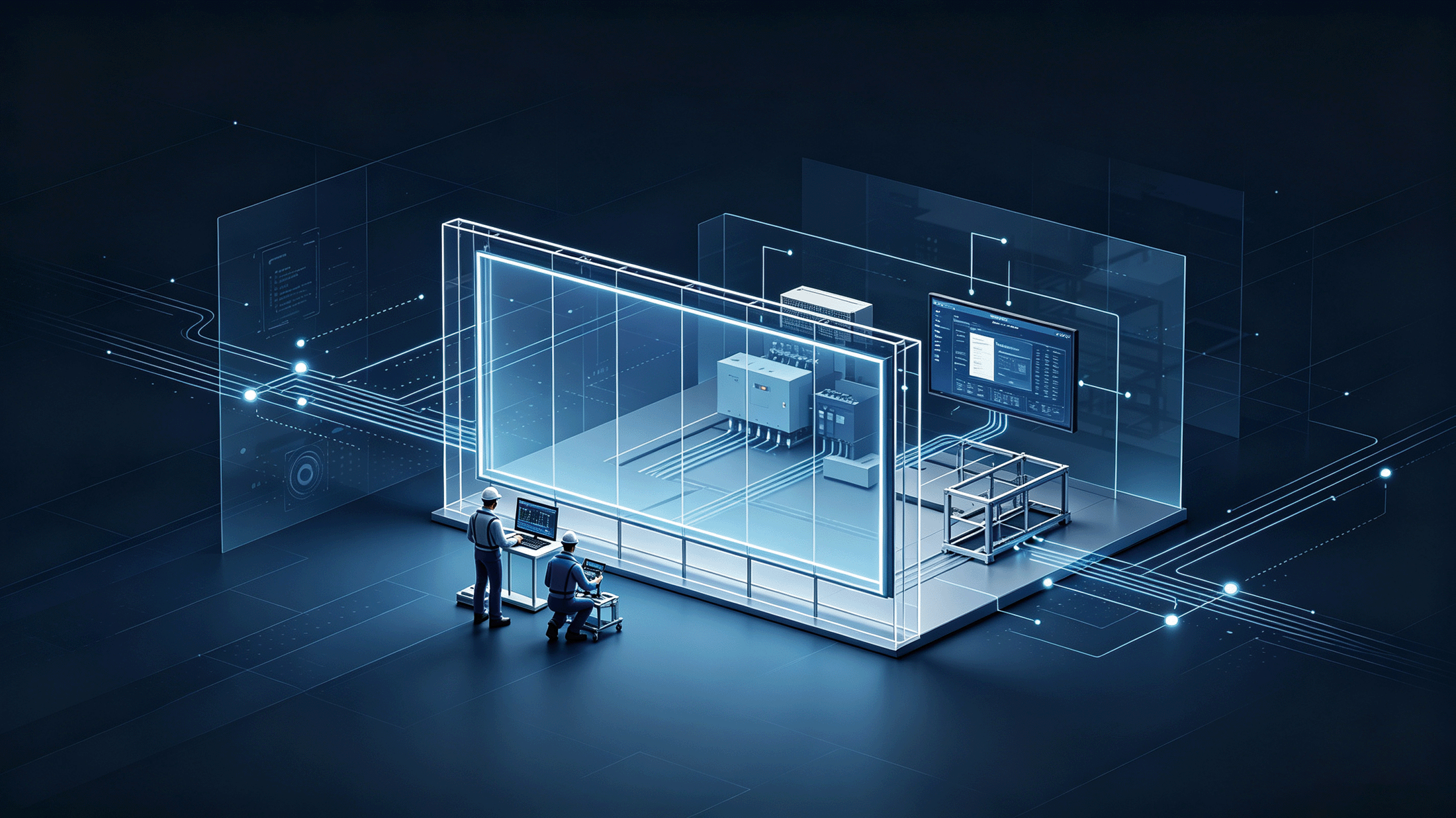
Smart LED displays are not limited to displaying content. They can work with control systems and network management platforms to support more efficient content updates and screen monitoring.
- Commercial spaces, this can simplify daily content management.
- Retail stores can update promotional content remotely.
- Shopping malls can manage multiple screens from a central system.
- In conference rooms, LED displays can support presentations, video meetings, and digital information.
In addition, intelligent control can be useful for large projects with multiple LED screens. Operators can monitor screen status and manage content through a unified system. This helps reduce manual operations and makes daily management more efficient.
LED Displays Are Moving Toward More Specialized Designs
Intelligent technology is also encouraging LED displays to become more adaptable to different environments. Standard flat screens are still widely used, but transparent LED, immersive LED and creative LED displays are gaining attention in specific applications.
For example, transparent LED displays can be installed near glass walls or shop windows while maintaining visual openness. They can provide digital advertising without completely blocking the original architectural environment.
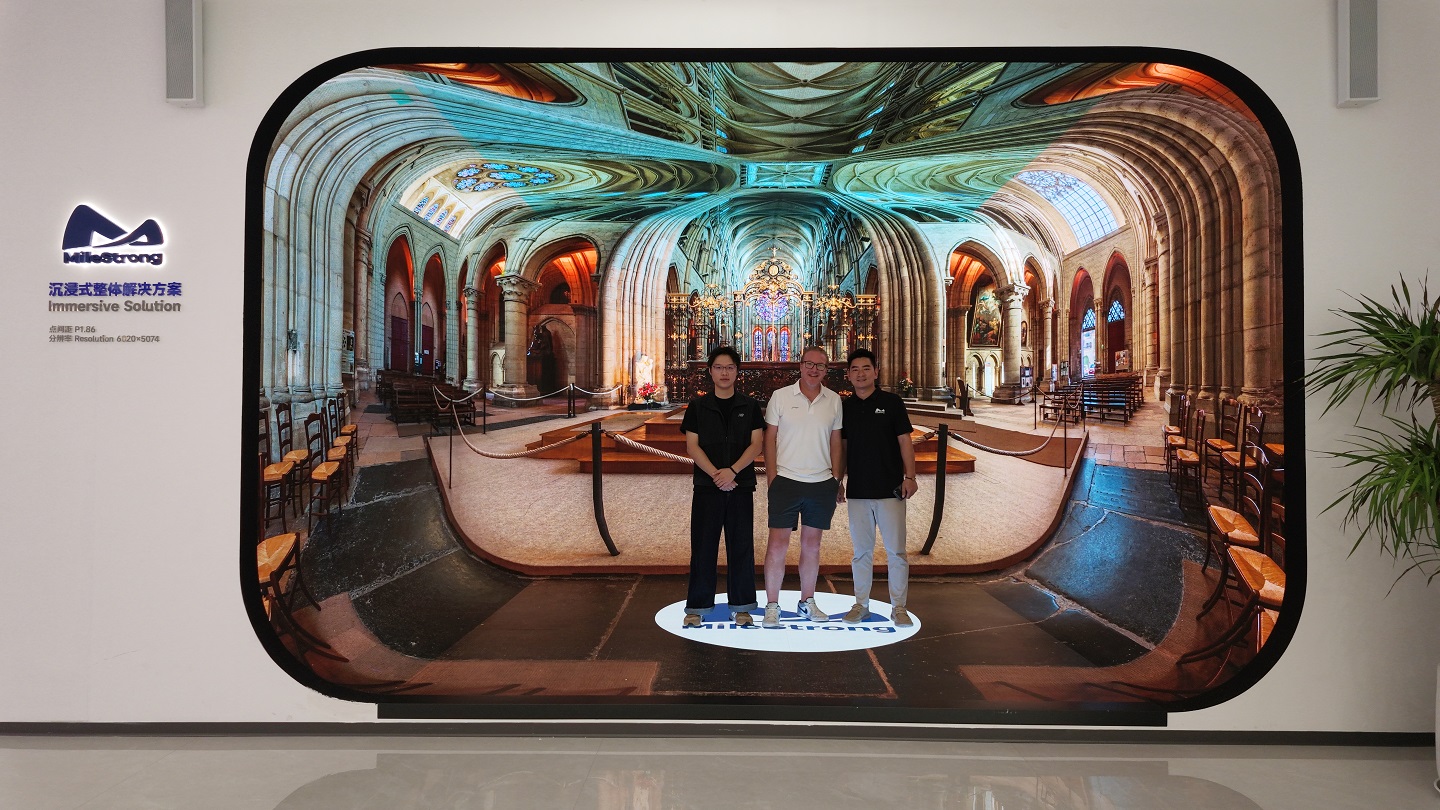
Immersive LED displays are suitable for exhibitions, museums, showrooms, and experience centers. Multiple LED displays can create a continuous visual environment. Visitors can therefore interact with digital content in a more engaging space.
MileStrong Continues to Follow LED Technology Development
As an LED display manufacturer, MileStrong continues to follow changes in display technology and application requirements. The development of intelligent display does not mean that every project needs the same technology. Instead, it provides customers with more flexible choices. As LED technology continues to evolve, intelligent control, energy efficiency, high-quality imaging, and application-specific design will remain important factors in future LED display projects.