

LED displays are primarily categorized into indoor and outdoor types based on their usage environment, and they exhibit notable differences in performance and structure.
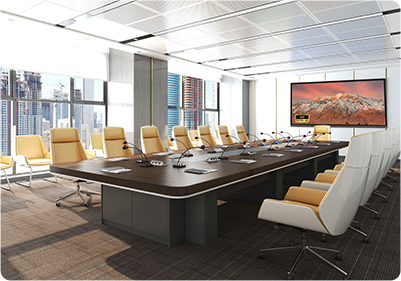
Indoor LED displays are typically used in settings such as conference rooms, shopping malls, and exhibition halls. These products prioritize resolution and image quality, featuring smaller pixel pitches and a brightness range typically between 500–1000 cd/㎡, making them suitable for indoor lighting conditions.
On the other hand, outdoor LED displays need to withstand complex environmental factors such as sunlight, rain, and dust. As a result, they are usually equipped with features like waterproofing and dust resistance (e.g., IP65 rating) and offer higher brightness, typically above 5000 cd/㎡, to ensure clear visibility even under strong sunlight.
Furthermore, outdoor displays are designed with a sturdier structure to adapt to temperature variations and prolonged operation.
When making a selection, it is essential to consider the actual usage environment. Using an indoor display outdoors not only results in poor performance but may also lead to equipment damage.