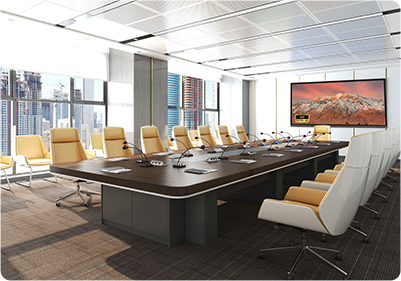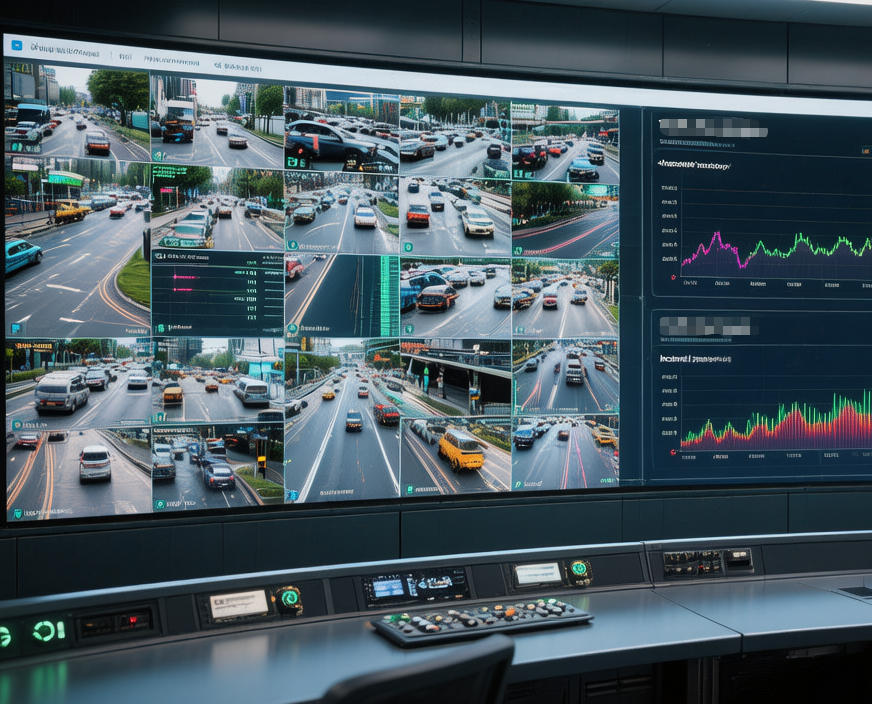


The color performance of commonly seen full-color LED displays directly impacts image quality, clarity, and overall visual experience, all of which are critical factors in professional settings. Particularly in environments such as conference rooms, exhibition halls, and command centers, issues like color deviation, insufficient brightness, or uneven luminance can lead to distorted colors and degraded image quality. Therefore, establishing a standardized color calibration process for full-color LED displays is essential.
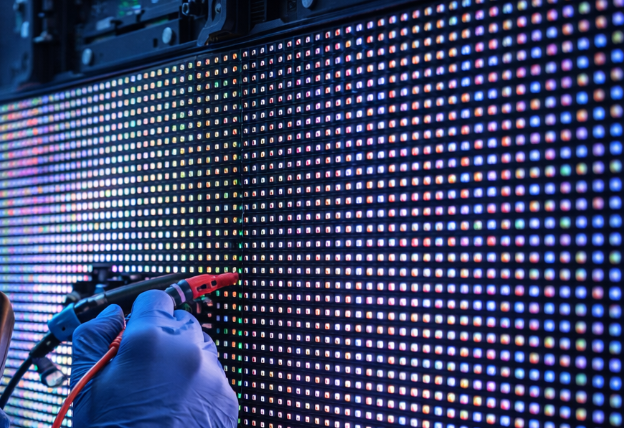
I. Why Is Color Calibration Necessary?
LED displays consist of numerous LED modules, and variations in the luminous characteristics of different batches or placements can result in:
- Localized color deviation (e.g., reddish or bluish tints)
- Uneven brightness (“mottled” or “patchy” appearance)
- Discontinuous grayscale transitions (loss of detail in dark areas)
Systematic calibration ensures consistent color reproduction, smooth transitions, and an overall enhanced visual experience.
II. Detailed Color Calibration Process
- Initial Inspection and Environmental Preparation
Before calibration, ensure the display operates stably, and ambient lighting is relatively constant (avoid strong direct light interference). Use professional equipment such as colorimeters or spectrometers for preliminary testing.
- Single-Point Brightness Calibration
Measure and adjust the brightness of each pixel to achieve uniform luminance across the entire screen.
- White Balance Adjustment
Fine-tune the RGB primary color ratios to achieve standard white point color temperature (typically 6500K).
- Gamma Correction
Adjust the Gamma curve to ensure smooth and natural brightness transitions from dark to light areas.
- Color Gamut and Color Consistency Calibration
Calibrate the color gamut to align with standard color spaces (e.g., Rec.709), ensuring accurate and consistent color reproduction.
- Full-Screen Calibration and Verification
After pixel-level and zonal adjustments, conduct comprehensive testing:
- Uniformity Test: Evaluate white field uniformity.
- Grayscale Gradient Test: Verify smoothness in grayscale transitions.
- Real-Content Validation: Test with actual video content to ensure practical performance.
Color calibration for indoor full-color LED displays is a critical step in transitioning from “capable of displaying” to “displaying with excellence.” Through scientific calibration processes and standardized parameter controls, image consistency and color accuracy can be significantly enhanced, ensuring optimal visual performance in professional applications.