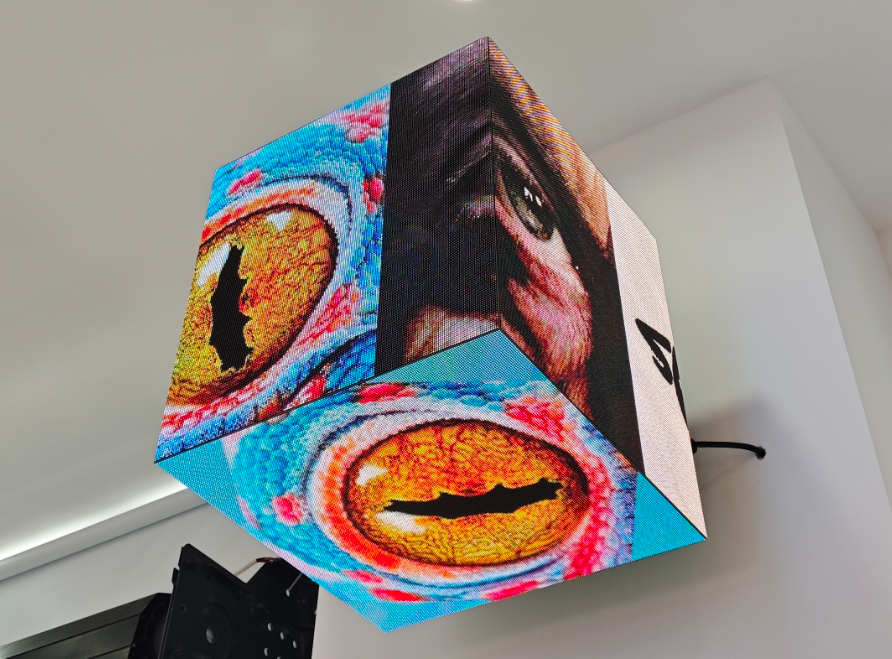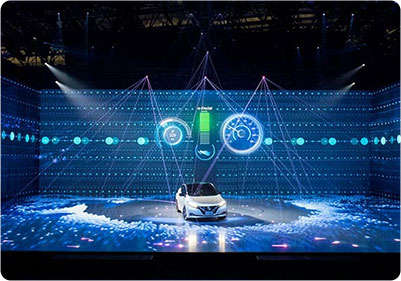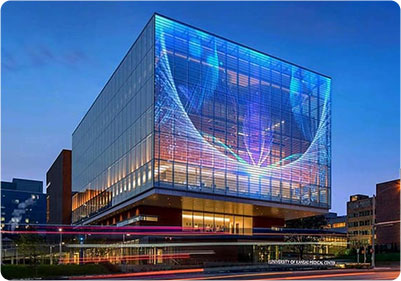


Immersive exhibits have grown increasingly popular among curatorial teams for museum special exhibitions and digital science showcases. Nevertheless, conventional dome installations come with obvious drawbacks. They require long construction cycles, feature rigid permanent structures, are hard to take apart, and carry high risks of damaging venue finishes. These weaknesses make them a poor fit for temporary exhibitions, which call for tight schedules, swift tear-down and full site restoration after closing.
We deployed this modular dome LED display project around standardized quick detachable cell units. The system delivers an enveloping immersive visual experience. At the same time, it lets teams set up rapidly on site, dismantle the unit without damaging the building, and reuse it across different projects. It offers a highly adaptable display solution for museum temporary exhibitions.
Project Background and Client Requirements
We built this project for a 45 day special temporary exhibition themed on digital cultural relics at a local museum. The space served as a multi purpose temporary gallery, and the museum enforced strict management rules. Staff banned drilling, embedment and welding on ceilings or wall surfaces. Once the exhibition ended, teams had to restore the space completely and leave no construction traces.
The curatorial team wanted to build a half dome immersive viewing zone. They planned to play digitally restored cultural relic footage and 3D reconstructions of ancient scenes here. They also set several non negotiable requirements.
- First, the on site installation and commissioning window was narrow; workers had to finish all relevant work within three days.
- Second, the whole dome system needed to split apart and pack up easily. The client intended to move it to other galleries or reuse it for future special exhibitions.
- Third, the display had to support low brightness output. It needed even, gentle colour rendering and reliable glare control to suit the dim viewing environment inside the museum.
- Fourth, technicians could service individual modules separately, without taking down the whole dome framework.
Project Challenges
During implementation, our team needed to balance four core priorities: visual performance, venue protection, construction timeline and reusability.
- Venue constraints. The museum treats its galleries as culturally protected spaces and rules out destructive renovation. For this reason, the half dome supporting structure could only use a floor standing frame or lightweight suspension setup. This arrangement required rigorous load calculation and careful planning of force bearing points.
- Curved image consistency. The half dome uses a wraparound arched geometry and demands high precision for spliced module curvature. Even minor assembly deviations will trigger image distortion, visible seams and uneven colour distribution.
- Quick assembly engineering. The design must let workers align and connect individual units quickly, yet still preserve curved forming accuracy. Teams cannot sacrifice visual quality for speed. Besides, the assembly and disassembly workflow must shield LED modules, wiring harnesses and driver components from damage during repeated handling.
- Environmental adaption. Museum galleries maintain subdued ambient light. The screen must sustain stable colour reproduction at low brightness. It cannot produce grey scale banding or flicker, so visitors enjoy comfortable viewing.
Customized Solution
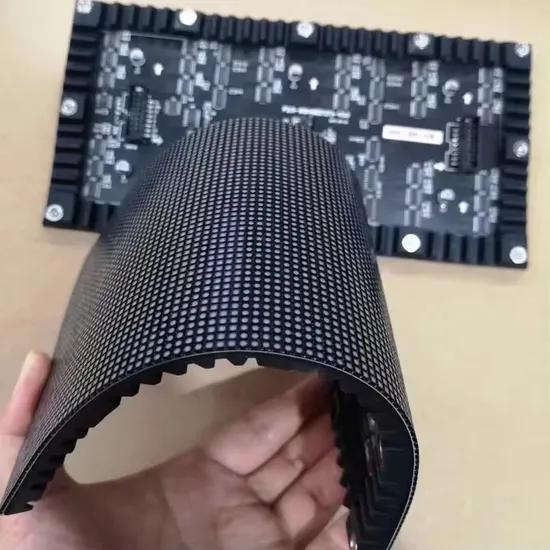
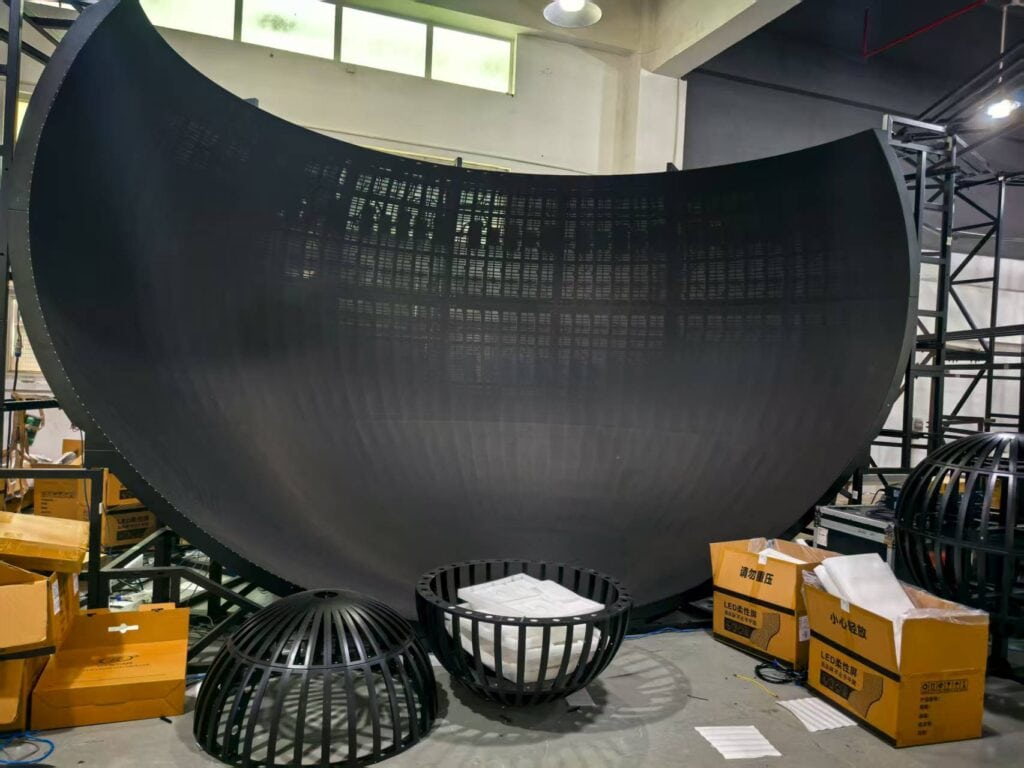
We selected a modular half dome LED display system for this project. The complete dome assembly includes multiple standard curved module units, quick lock support frames and rapid connect wiring looms. We engineered the curved modules for seamless arched splicing. Every segment receives colour calibration and curvature pre verification at the factory. The modules support point by point correction, so they maintain uniform colour performance and cut down glare under low brightness settings.
The supporting frame follows a split modular design. Units lock together with buckles and quick locks. Workers do not need heavy welding tools on site; they only secure each segment after proper alignment. We provide two structural versions: floor mounted and lightweight suspended. We chose the floor standing configuration for this installation. It leaves the original building fabric fully intact. Wiring harnesses carry industrial quick connect aviation plugs for plug and play interconnection between units. This design drastically cuts the time workers spend on field wiring and troubleshooting.
The control system runs curved geometric correction software. Users import the half dome model to map video content in one step and support hemisphere form immersive media. The system adopts front facing service access. Technicians can remove and replace single faulty modules without dismantling the main dome structure, which lowers maintenance costs while the exhibition runs.
Outcomes and Project Value
Compared with traditional steel framed dome alternatives, this modular half dome LED system cuts installation and commissioning time by nearly half. It also greatly speeds up post exhibition clearance and restoration. The wraparound half dome creates a strong immersive atmosphere. The rendered digital relics and reconstructed ancient landscapes fully met the curatorial expectations. Its low brightness mode fits the dim gallery lighting and avoids harsh reflection. Moreover, this non intrusive installation complied with museum venue regulations. Both museum administrators and the curatorial team gave positive feedback.
Suitable Application Scenarios
This modular half dome LED solution serves short term shows that demand mobility and reuse. Typical use cases include temporary museum special exhibitions, short run science museum programmes, digital art pop ups in art galleries, immersive cultural tourism activations and touring science theaters. We optimized it for flexible assembly and disassembly. It targets temporary deployments and does not replace permanent dome installations such as planetarium domes built inside dedicated auditoriums.
Conclusion
The modular half dome LED display combines immersive curved visual capability with the core priorities of temporary exhibitions: rapid setup, damage free removal and repeated redeployment. It resolves common conflicts among construction schedule, site preservation and amortized cost for museum special shows. Standardized modular units lower the technical barrier for custom curved projects. This makes the display option a preferred choice for short term immersive exhibitions.
If you are planning an immersive dome exhibit for a museum or science centre, feel free to contact us for technical proposals. You may also arrange an on site visit to view our modular dome LED samples, and obtain quotations and timeline assessments tailored to your project dimensions.