
Market Growth Is Changing the Rules of Competition
According to Omdia’s latest LED Video Displays Market Tracker, global LED video display shipments by area grew 0.6% year over year in Q1 2026. But market revenue actually dropped 2.3%—the first decline since 2022.
Sports events, smart cities, corporate digital transformation, and commercial spaces are all still driving steady demand. But the competition is shifting. It is no longer just about selling more products. It is about offering something different. For more and more LED display manufacturers, product performance still matters. But what really decides whether a project moves forward is installation support, maintenance efficiency, and local service capability.
Customers Are Buying Long-Term Reliability, Not Just Screens
In the past, overseas buyers mostly cared about pixel pitch, delivery time, and cost. But large projects today often need to run for five years or more. Airports, stadiums, shopping malls, and corporate headquarters rely on display systems every single day. If a screen goes down, it is not just about losing a picture. It can affect business operations. That is why more clients now evaluate LED display suppliers based on local engineering teams, spare parts inventory, and after-sales response time—not just price. This shift is reshaping how LED projects are sourced around the world.
Large Projects Require Local Technical Support
We are already seeing this play out in international projects.
- Take Expo City Dubai, for example. The site uses a large number of digital LED display systems for guidance, event announcements, and brand showcases. After the project was completed, the LED displays still needed ongoing maintenance and content updates. It was not just a one-time installation.
- A similar situation can be seen at Saudi Arabia’s Riyadh Season. Different venues change their display setups frequently based on event schedules. On-site technical support and quick maintenance are essential.
For projects like these, the supplier is not just providing LED screens. They are providing a service system that covers installation, commissioning, operation, and maintenance.
Technology Is Also Reshaping Service Models
Technology is also pushing service models to evolve.
COB, Micro LED, and remote monitoring systems are becoming more mature. Many display systems can now track their own operating status in real time, identify issues before they escalate, and reduce the need for on-site repairs.
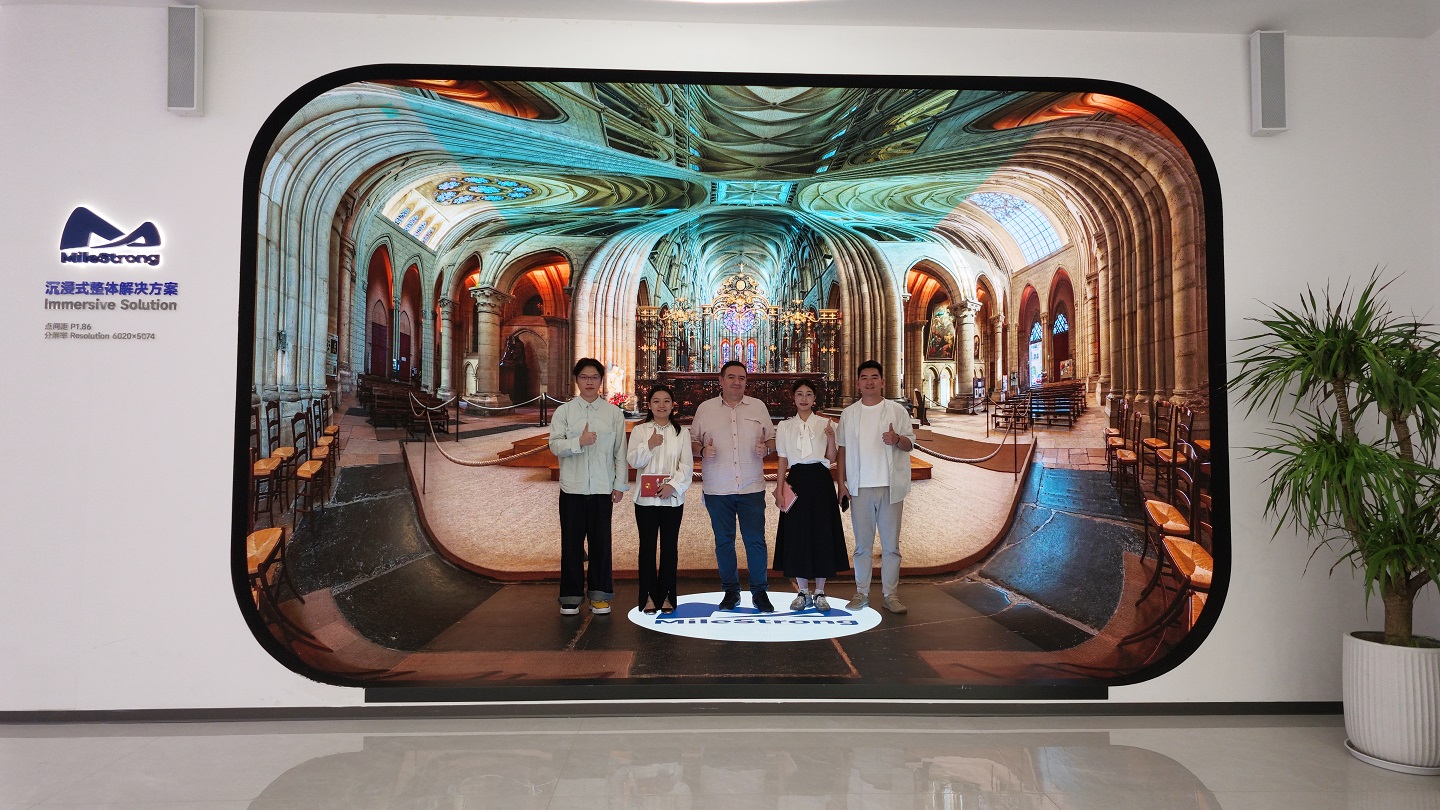
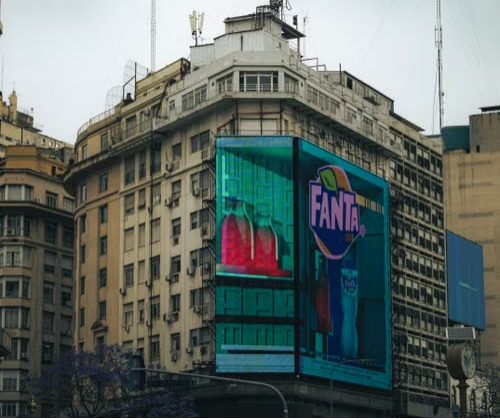
At the same time, creative LED displays, transparent LED displays, and immersive LED displays are being used more widely in commercial and cultural tourism projects. System integration is getting more complex. Suppliers need to be involved throughout the entire project lifespan—not just at the delivery stage.
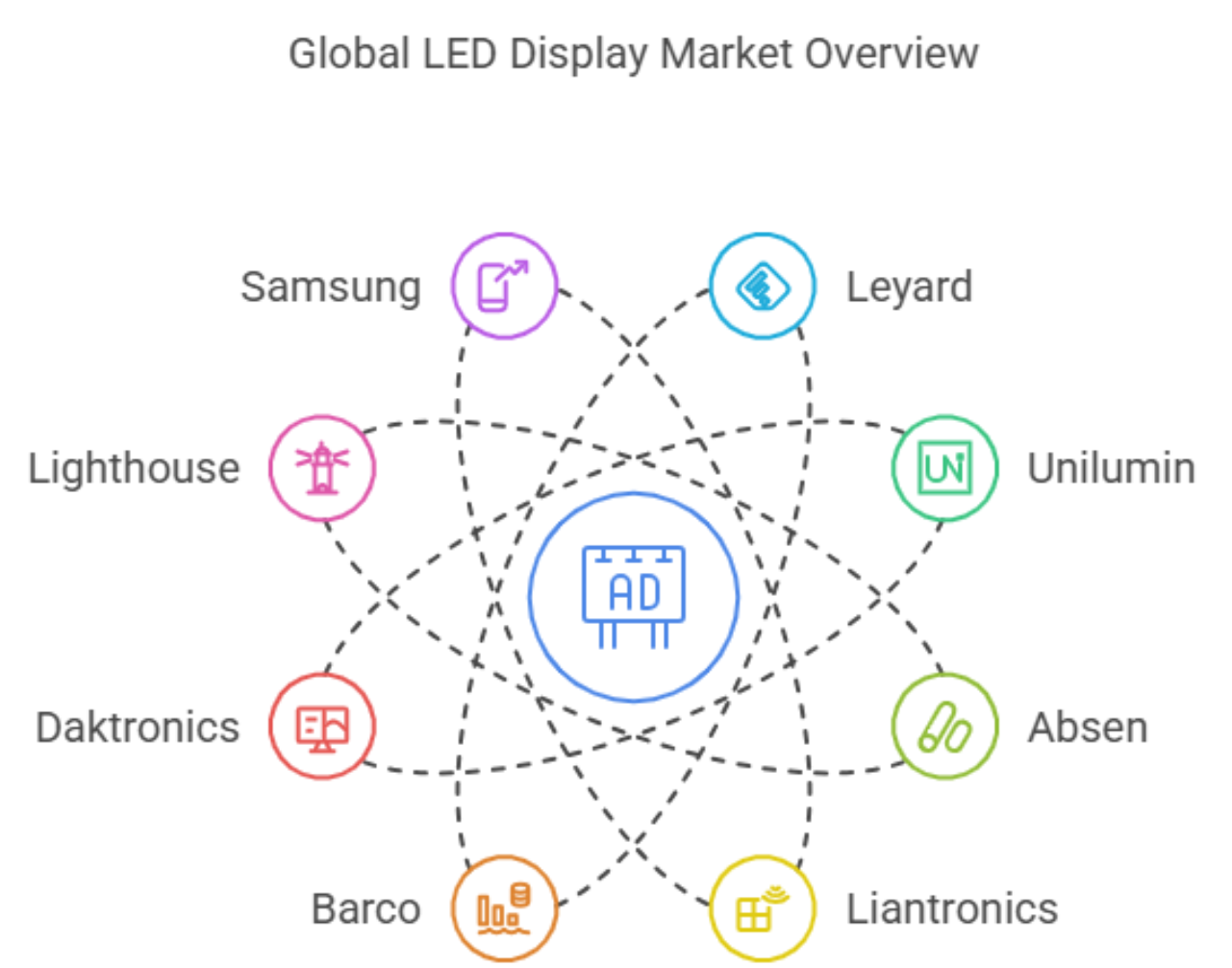
Some companies, including MileStrong, are already working with overseas partners and regional technical resources to provide support that is closer to what local projects actually need.
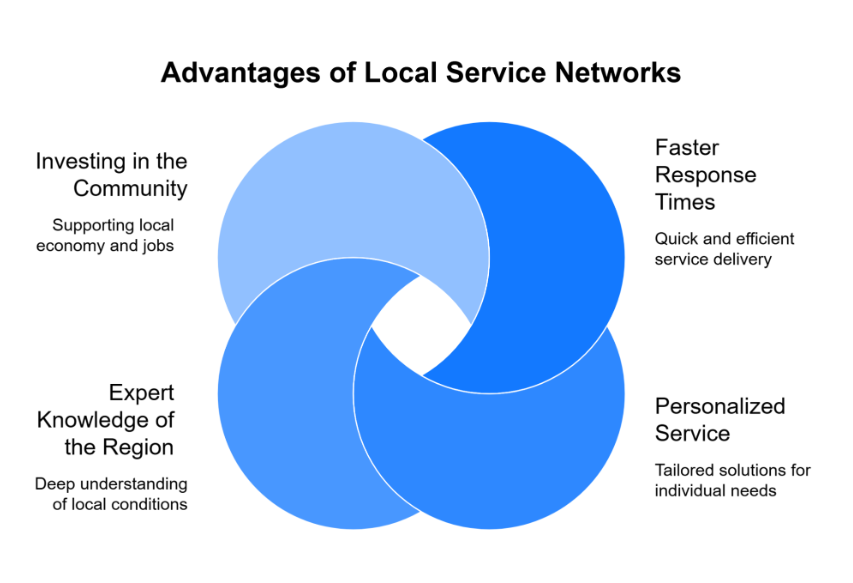
Local Service Networks Will Become a Competitive Advantage
The global LED market still has huge potential. But the focus of competition is changing. When product performance becomes more similar across brands, clients will choose partners who can offer ongoing technical support and fast response times. For LED display manufacturers, local service networks are no longer just part of after-sales support. They are a key part of the global strategy. Going forward, whoever can shorten response time after delivery and reduce long-term operating costs for clients will have a real edge in overseas markets.