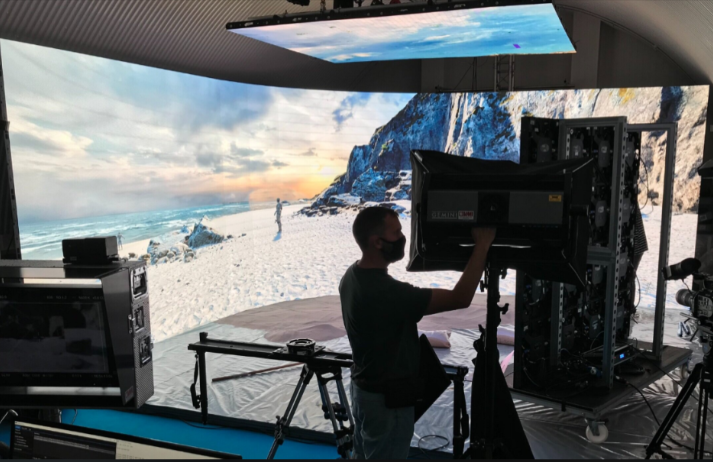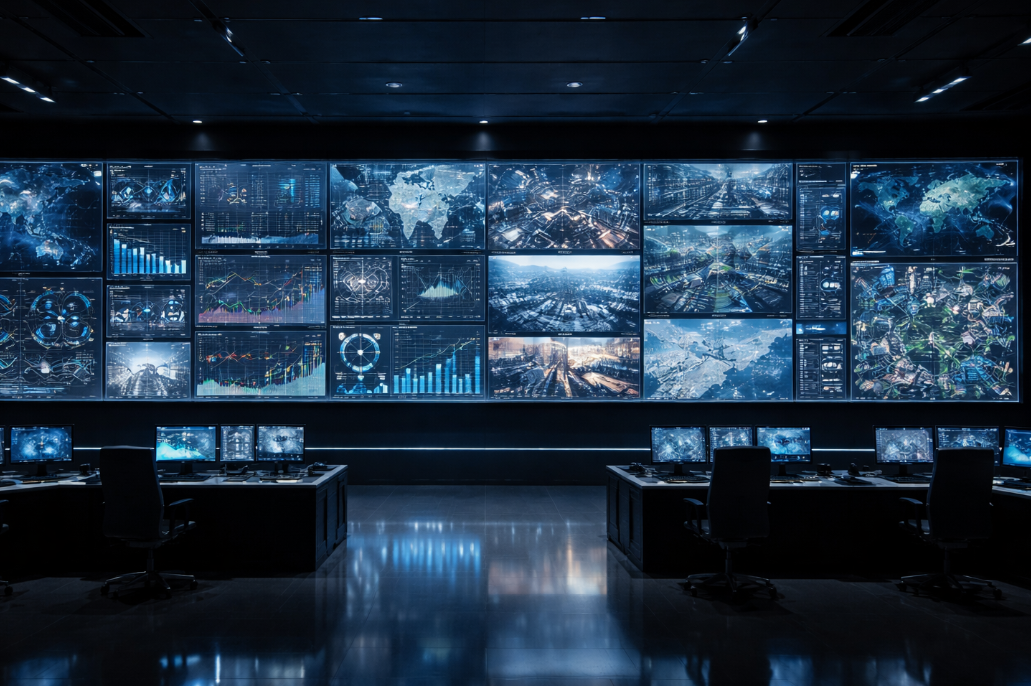


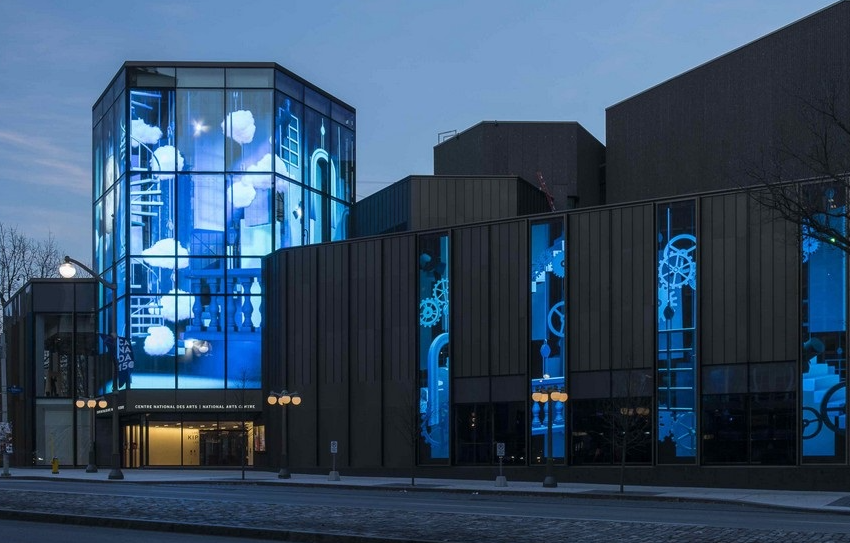
Transparent LED displays are becoming increasingly popular in glass curtain walls, shopping mall windows, and exhibition booths! They’re aesthetically pleasing and transparent, won’t completely block windows, and can complement architectural styles, making them a top choice for commercial displays.
However, many business owners struggle when choosing screens: should they choose one with high light transmittance or one with a clearer image? Which should they prioritize?
Actually, neither is absolutely better; it’s not an either-or choice. It depends on your actual application. Choose the one that best suits your needs. Today, we’ll clarify what light transmittance and clarity actually are, how they affect each other, and how to choose the right transparent led display for you.
What Is Light Transmittance?
Light transmittance is a core characteristic parameter of transparent LED displays. It refers to the proportion of light that passes through the screen, with an industry standard range of 30%-90%. Higher light transmittance means less screen obstruction, resulting in a stronger sense of transparency. This does not affect indoor lighting or outdoor views, perfectly complementing the decorative properties of architectural glass, and is a key difference between transparent screens and ordinary LED screens.
What Is Clarity?
Clarity is determined by the pixel pitch and pixel density of the screen, directly affecting image detail and the smoothness of text edges. Smaller pixel pitch and higher pixel density result in a clearer image. The image appears grain-free, and the content is displayed in a more refined and three-dimensional way.
The Relationship Between Light Transmittance and Clarity
The transmittance and clarity of a transparent LED display are mutually restrictive and inversely related, determined by the product’s structural principles. The screen relies on LED beads and circuitry to achieve its display function.
To increase transmittance, the pixel pitch needs to be increased and the circuitry simplified. When the screen’s open area increases, transmittance improves; however, pixel density decreases, resulting in increased image graininess and reduced clarity.
To increase clarity, the pixel pitch needs to be reduced and the LED bead arrangement denser. Increased pixel density leads to a finer image, but reduced open area significantly decreases transmittance, blocking light to some extent and weakening the glass’s transparent quality.
Simply put: High transmittance prioritizes aesthetic appeal, while high clarity prioritizes display performance.
How to Choose:
Selecting a transparent LED display requires prioritizing factors and making trade-offs based on the actual application scenario.
Considerations include: Viewing distance, core requirements, and usage scenarios. Prioritize based on needs, rather than blindly pursuing the highest possible parameters.
- Choose high clarity: For close-up displays and scenarios emphasizing content dissemination.
For example, brand windows, showroom booths, and store advertising screens, where viewers are 1-3 meters away and high image quality is required. In these cases, ensuring high definition is paramount.
- Choose high light transmittance: For long-distance viewing and scenarios where architectural lighting and aesthetics are important.
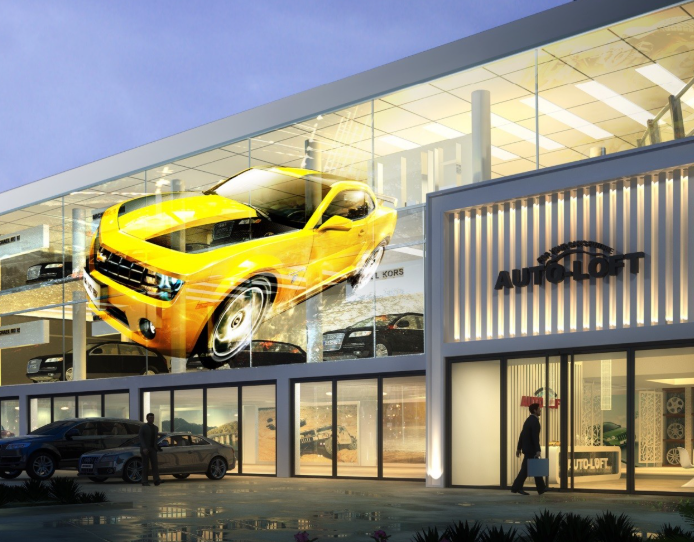
For example, office building glass curtain walls, large shopping mall atrium, and outdoor glass partitions, where viewers are generally 5 meters or more away and minor graininess is negligible, a high light transmittance of 70%-90% ensures adequate indoor lighting, preserves the overall transparency and beauty of the building, and provides a more sophisticated visual experience.
Scene Adaptation Is the Best Choice
When selecting a transparent LED display screen, there’s no need to obsess over perfecting a single parameter. A professional selection strategy finds the optimal balance between light transmittance and clarity based on scene requirements, viewing distance, and installation environment. This avoids wasting parameter costs while maximizing the value of adapting to the scene, balancing architectural aesthetics and display functionality.