

With the continuous upgrading of LED display technology, transparent LED displays, as an innovative display solution, are becoming increasingly popular and widely used in commercial settings such as glass curtain walls, shopping mall windows, retail stores, and exhibition halls. Unlike traditional LED screens, transparent LED displays perfectly balance high-definition display performance, light transmittance, and architectural aesthetics, providing stunning visual effects without obstructing architectural lighting or the original architectural landscape. Against this backdrop, more and more buyers, engineers, and industry practitioners are paying close attention to them. Therefore, this article will provide an in-depth analysis from several aspects.
What Core Technology Makes LED Displays Transparent?
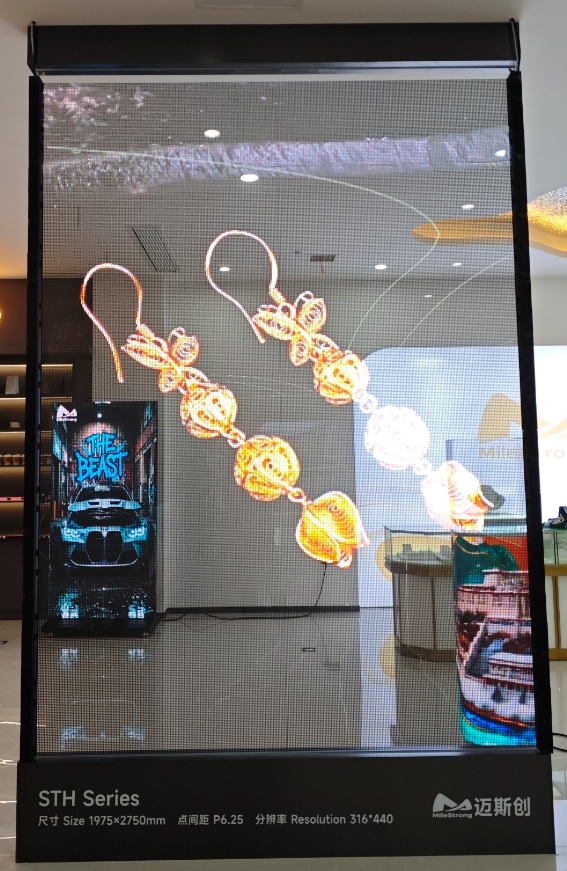
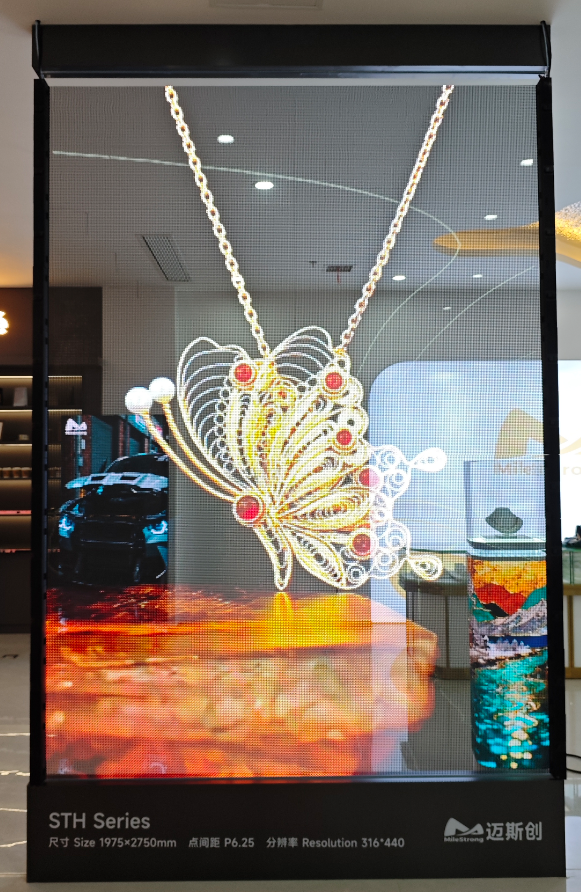
The transparency of the transparent LED display is mainly achieved through optimized structural design and innovative packaging technology. Unlike traditional display panels that use an integrated back panel and a dense arrangement of light bars, the transparent LED screen adopts a unique hollow strip structure. Its core technology lies in ultra-thin LED light bar packaging, streamlined circuit board optimization and frameless structure. Manufacturers have greatly reduced the area of opaque circuit boards and lamp housings, and arranged high-brightness LED lamp beads in an orderly and sparse manner. The gaps between the light strips form a natural light-transmitting channel, allowing visible light to pass through the main body of the screen unimpeded, thereby achieving a high-transparency visual effect.
Besides structural optimization, precise drive control technology is also crucial. A professional driver IC independently controls the brightness of each LED leads. Thus, transparent LED displays can ensure stable and clear image presentation while maintain maximum light transmittance.
How to Choose the Right Transparent LED Displays?
Choosing the right transparent LED display requires considering the application scenario, core parameters, and project requirements, rather than blindly pursuing ultra-high transmittance or ultra-small pixel pitch. A professional selection needs to balance transmittance, display clarity, viewing distance, brightness adaptability, and installation conditions to achieve the best visual effect and cost-effectiveness.
| Selection Dimension | Application Scenario | Recommended Parameters | Advantages |
| Transmittance | Indoor scenarios: shopping mall windows, indoor glass partitions | High transmittance: 80%~95% | Preserves indoor daylight and original views without obstruction |
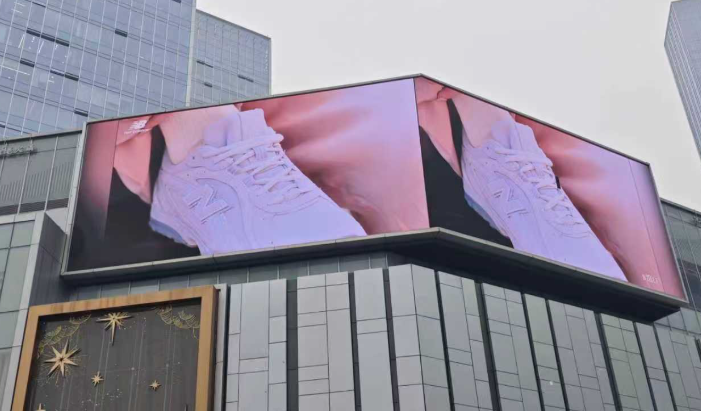
| Outdoor scenarios: outdoor glass curtain walls, stage LED displays | Medium transmittance: 60%~70% | Improves pixel density and display contrast to deliver outstanding image performance under strong sunlight | |
| Pixel Pitch | Short viewing distance: retail shop windows, exhibition booths | Fine pitch | Presents delicate, crisp, grain-free high-definition visuals |
| Long viewing distance: glass curtain walls, large outdoor LED displays | Standard pitch | Balances resolution and visual experience with higher cost-effectiveness | |
| Installation & After-sales Adaptability | Building renovation, glass curtain wall projects with limited load-bearing capacity | Ultra-light strip-type transparent LED screens | Ultra-slim structure greatly reduces the load on glass and steel frameworks |
| Standardized chain store projects | Modular transparent LED screens | Enables fast installation, convenient maintenance and standardized panel replacement, cutting enterprises’ long-term operational costs |
What Pros and Cons Do Transparent LED Displays Have?
Main advantages:
- First, ultra-high light transmittance without compromising architectural aesthetics. Thanks to its hollow strip structure, the transparent LED boasts a light transmittance of 60% to 95%.
- Second, lightweight structure, low installation load, and strong adaptability. The screen eliminates the bulky back panel and cabinet structure, featuring an ultra-thin and ultra-light design. It can be directly mounted to glass windows without the need for complex steel structures.
- Third, excellent energy-saving and heat dissipation performance. The hollow design significantly reduces the overall power consumption and heat generation of the screen.
Main disadvantages:
- First, limited contrast in dark environments.
- Second, higher unit cost for high-transmittance models.
In summary, transparent LED displays represent a cutting-edge commercial display solution, perfectly balancing architectural aesthetics and digital views. By providing scenario-specific options and reliable, long-term stable products, MileStrong helps customers maximize display value, balance performance and budget, and bring a high-quality, invisible, and immersive transparent display experience to modern commercial spaces.