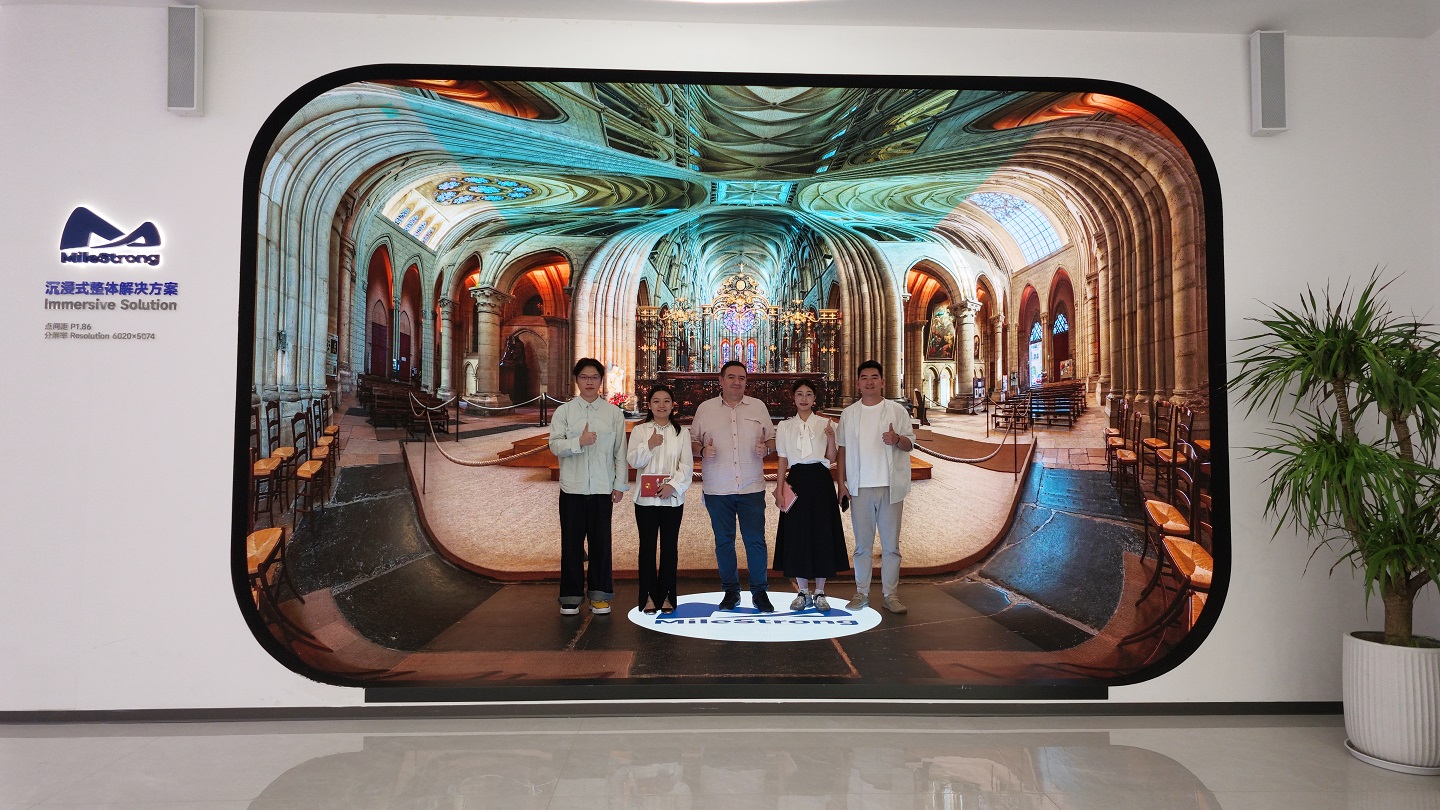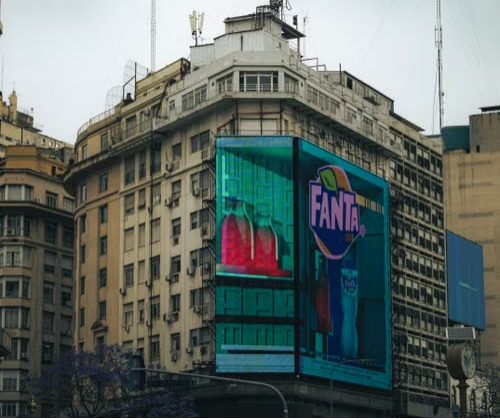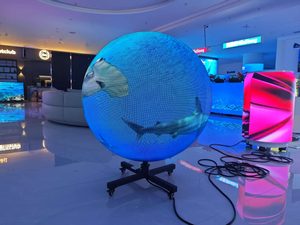

From naked-eye 3D screens in shopping malls and sphere LED displays in science museums to immersive dome cinemas and custom-shaped LED displays for stage productions, creative LED displays are expanding beyond traditional advertising screens.
They are now widely used for commercial attraction, cultural tourism, digital exhibitions, and large-scale events.
As demand for custom-shaped and immersive displays continues to grow, the range of applications is also expanding. However, the market is facing several challenges, including product homogenization, inconsistent quality, difficulties in project delivery, and limited after-sales support.
As a result, competition in the industry is gradually moving away from price and scale. Technology, product quality, project delivery, and overall service are becoming more important.
Creative LED Display Applications Continue to Expand
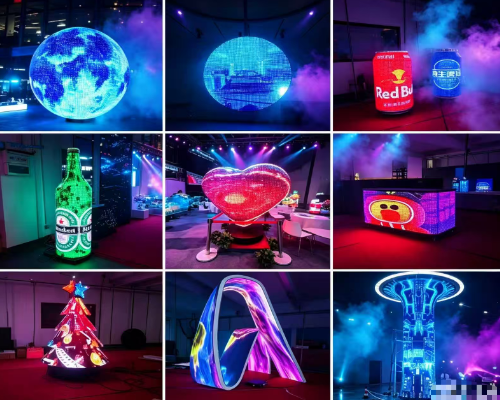
Creative LED displays are now used across a wide range of sectors, including cultural tourism, commercial spaces, science and education, government and corporate exhibitions, sports, and entertainment.
- In cultural tourism projects, spherical LED displays, curved LED screens, and dome cinemas are used to create distinctive visual environments. These immersive experiences can make attractions more engaging and help increase visitor interest.
- Shopping malls and commercial complexes are also adopting creative LED displays. Spherical screens in atriums, transparent LED displays, and custom-shaped lighting installations can enhance the visual impact of a space while providing new ways for brands to attract customers and present content.
- In science museums, corporate exhibition halls, and government exhibition spaces, immersive digital environments and curved LED walls are being used for digital presentations and science education.
- Sports studios, stages, and live entertainment venues are also creating new demand for creative LED displays, especially for panoramic visuals, live broadcasting, and large-scale performances.
Four Major Challenges Facing the Industry
Creative LED displays are highly customized products. They require strong capabilities in R&D, manufacturing, structural design, installation, project management, and after-sales service.
1. Product Homogenization and Inconsistent Quality
Some manufacturers have limited R&D capabilities and mainly replicate existing products such as spherical and curved LED displays.
This can create problems with curve correction, heat dissipation, lightweight structures, and custom LED module assembly.
Poor execution may lead to visible seams, uneven colors, dead pixels, black screens, or image distortion.
For creative LED projects, these issues can directly affect the final visual experience.
2. Custom Projects Can Be Difficult to Deliver
Creative LED projects are often based on a “one project, one solution” approach.
If 3D simulation and site planning are not completed properly at an early stage, problems with dimensions, curvature, structural design, or installation conditions may only become visible during construction.
Coordination can also become more difficult when multiple suppliers are involved. This may increase communication costs, project delays, and rework.
3. After-Sales Service Remains a Challenge
Compared with standard LED displays, creative LED products often use more customized components and structures.
When a problem occurs, maintenance can take longer if the supplier does not have sufficient spare parts or professional technical support.
For museums, commercial spaces, and cultural tourism projects, longer repair times can directly affect normal operations.
4. Price Competition Can Limit Investment in Technology
Some manufacturers reduce prices by lowering material standards, cutting R&D investment, or simplifying quality control processes.
This can create a cycle of:
low-price orders → lower-quality delivery → more equipment failures → higher maintenance costs.
In the long run, this not only affects the customer’s project performance but can also slow down technological development across the industry.
Creative LED Displays Are Moving from Price Competition to Value Competition
As buyers place more importance on long-term project performance, the competitive landscape of the creative LED display industry is changing.
In the future, competition will not simply be about screen prices or production capacity.
Instead, buyers will pay more attention to technology, display quality, customization capabilities, project delivery, and long-term operation and maintenance.
At the same time, demand is shifting from simple hardware purchases toward integrated services that combine hardware, creative design, content adaptation, installation, and maintenance.
- For manufacturers, relying only on OEM production or basic assembly is becoming less effective as a long-term competitive strategy.
- For buyers, the initial price should not be the only consideration when selecting a creative LED display.
It is also important to evaluate product reliability, site adaptability, project implementation capabilities, after-sales support, and total lifecycle costs.
The Industry Is Entering a More Value-Driven Stage
Creative LED displays still have significant growth potential across commercial, cultural, educational, entertainment, and other applications.
However, the industry is entering a stage where quality and overall value matter more than simply offering the lowest price.
As price-driven competition gradually gives way to competition based on technology and service, manufacturers with strong R&D capabilities, stable production systems, and comprehensive project delivery capabilities will be better positioned to build long-term advantages in the next stage of the market.