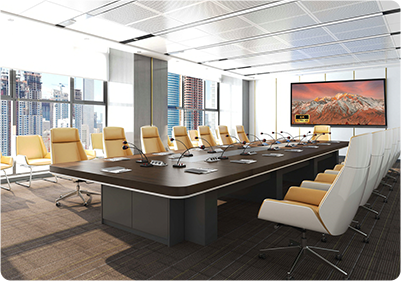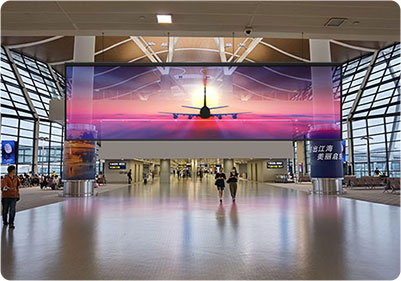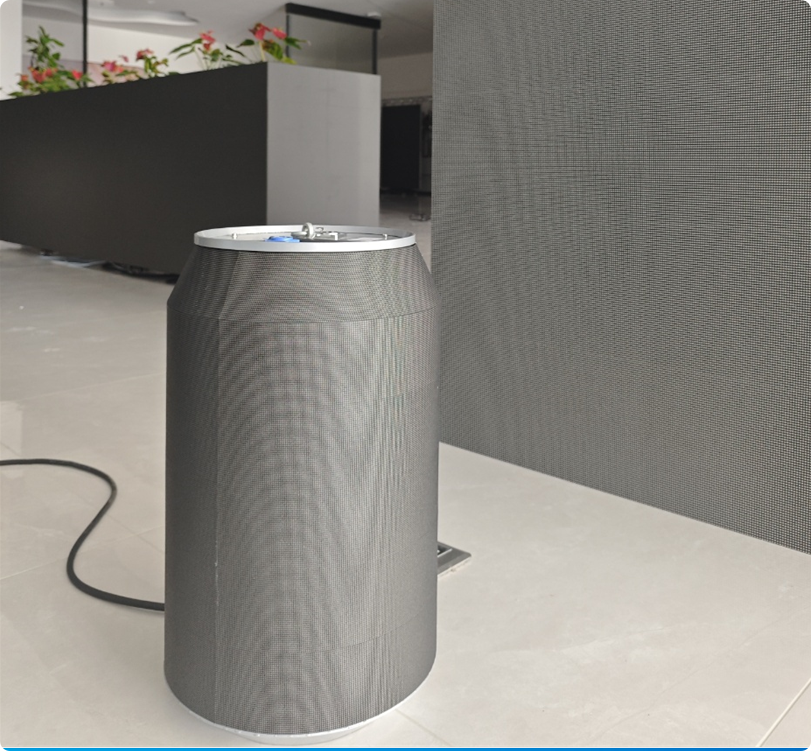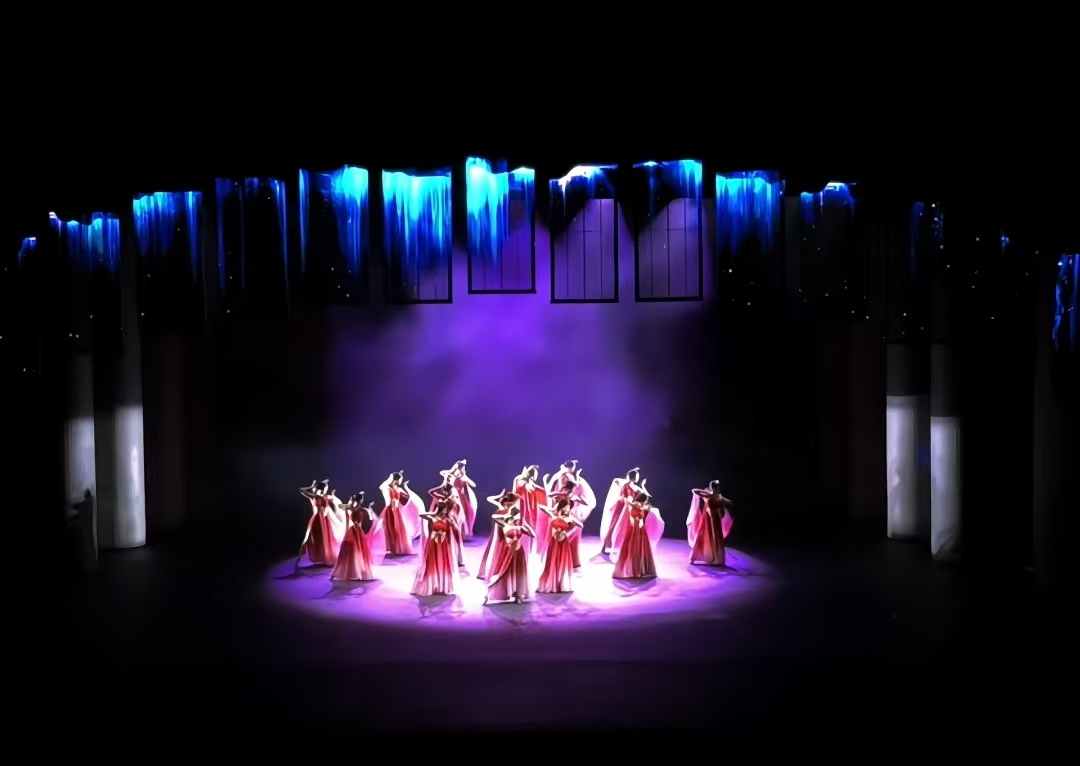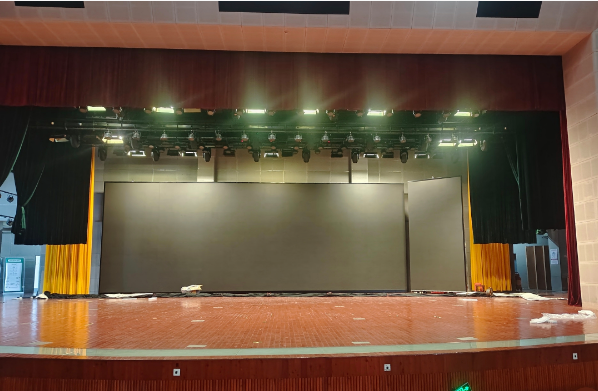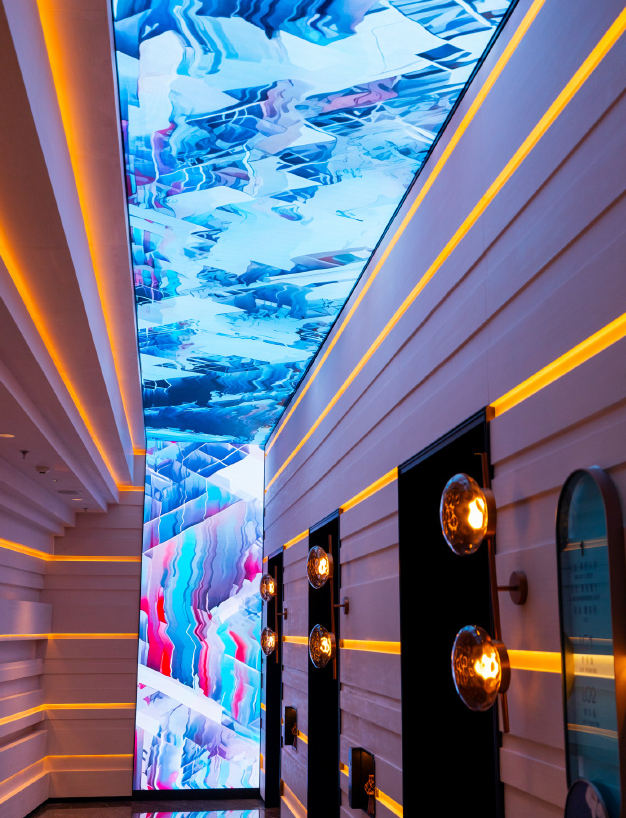


An immersive night-tour project is not about installing more LED screens. It is about using LED displays to connect different spaces across the site. Buildings, pathways, water features and performance areas work together with digital content to create one complete experience. The screen is no longer the destination—it becomes part of the journey.
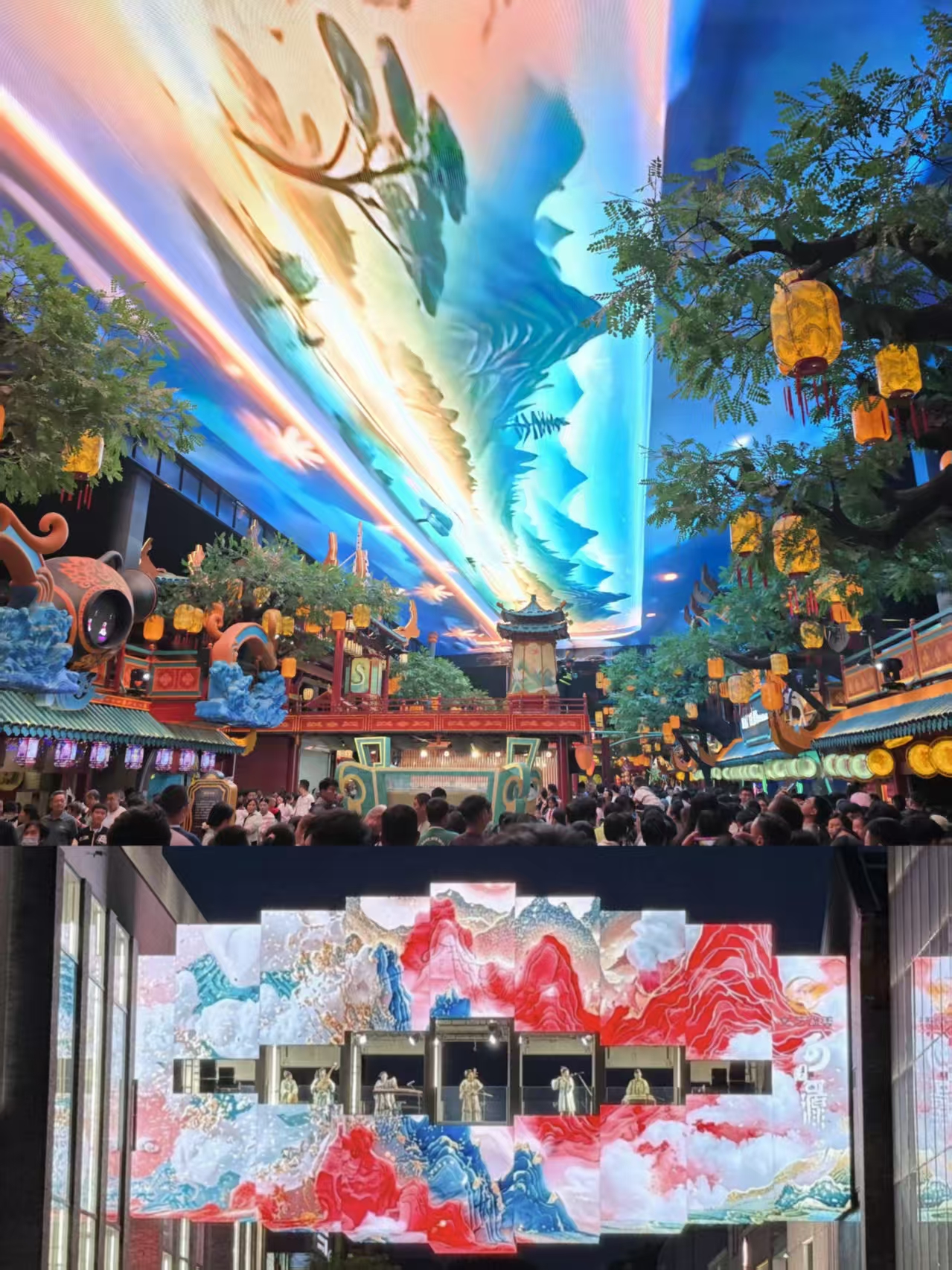
How Night Tourism Experiences Are Changing
Traditional shows were built around a fixed viewing area. Visitors stopped, watched, and moved on. Today’s night tourism experiences work more like continuous narratives — visitors are moving, and so is the content.
This is why more projects are turning to creative LED display design.
In China, large-scale night tourism shows — like those at Hengdian World Studios — show how digital displays are becoming part of the space itself, not just stage equipment. LED video walls, projection, and lighting work together to tell a story, connecting buildings, scenery, and visitors. This is different from commercial display. It needs systems that are more flexible for different spaces, work with a wide range of content, and run reliably over time.
What Night Tourism Projects Actually Need to Solve
Most technical discussions focus on brightness, refresh rate, and grayscale levels. These matter. But on a real cultural tourism site, the harder problems are usually different ones.
- Viewing angles are unpredictable.
Visitors are walking and looking from constantly changing positions. Few people stand directly in front of a screen for any length of time. A conventional rectangular LED screen in this environment can create a fragmented visual experience.
- The system has to work in daylight too.
A scenic site exists around the clock. If a building facade is fitted with an opaque LED display, it can compromise natural light and visual integrity during the day.
- Content changes frequently.
Festivals, live performances, brand partnerships, city events — the same system often needs to support multiple different themes. A static installation cannot keep up with this operational reality.
Planning the System: From Screens to Immersive Space
Effective night tourism LED display solutions don’t rely on a single product type.
- Entrance areas need to establish a visual anchor. A creative shaped LED display or large curved screen creates a memorable moment.
- Building facades are often better served by transparent LED display. Transparent during the day, capable of carrying content at night without compromising the appearance of the architecture.
- Close-range interactive zones benefit from fine pitch LED display, which delivers sharper image quality for portrait-scale content, digital art, and interactive experiences where visitors are nearby.
- Temporary event areas are where rental LED display earns its value. Fast installation and removal, with minimal disruption to the venue’s ongoing operations.
In projects like these, MileStrong’s approach is to analyze visitor flow first, then determine the appropriate display format — rather than selecting a product model first. Many buyers have found that this sequence reduces the conflicts that arise later between content production requirements and the physical structure on site.
Why These Choices Work: Technical Considerations
- Brightness is not always better. Night environments are naturally dark. Excessive brightness disrupts the atmosphere rather than enhancing it. A better approach is zone-based brightness control — making the primary visual element stand out while preserving the layered quality of the surrounding environment.
- Pixel pitch should match viewing distance. Many projects pursue fine pixel pitch without a clear reason, adding cost without a corresponding improvement in visitor experience. At five meters or more, the perceptible difference between P2 and P4 is often much smaller than expected.
- High refresh rate matters most in XR and live production contexts. If the night tourism project involves live streaming, virtual performances, or XR Studio capture, high refresh rate LED displays significantly reduce scan lines and flickering. This has become a standard requirement in large-scale production environments.
- Structural precision determines long-term appearance. The biggest challenge with creative shaped LED screens is not the initial assembly — it is maintaining stability over years of operation. Thermal expansion and contraction is a factor that many integrators underestimate. It is worth addressing early in the design process.
Where the Industry Is Heading: Night Tourism as Digital Space
A clear shift is underway in cultural tourism: visitors are increasingly willing to extend their time for an experience, not just for a single viewing moment. AI-generated content is making dynamic scene updates faster. DOOH technology is making remote operations more manageable. XR Studio production methods are beginning to appear in cultural tourism performances.
From the large-scale digital advertising of Times Square to the event display systems of FIFA World Cup stadiums, the same direction is visible: LED is no longer just a display terminal. It is redefining how public spaces communicate information and tell stories. Night tourism is simply where this trend plays out in the cultural and travel sector.