

With the rapid adoption of new display technologies, Mini LED and Micro LED are often confused by the public. Many customers have inquired whether these two technologies are actually the same. The answer is no. Although their names are similar, they belong to two distinct technological paths. There are clear differences between them in terms of chip specifications, imaging principles, implementation costs, and applicable scenarios. MileStrong has rich experience in the commercial LED display sector. In this article, drawing on our project implementation experience, we will clearly explain the differences between these two technologies to help customers select the display solution that best meets their needs.
The Definitions of Mini LED and Micro LED Technologies
The most intuitive criterion for distinguishing between the two is the size of the light-emitting chips. Mini LED chips typically range in size from 100 to 300 micrometers, while Micro LED chips are smaller than 50 micrometers. This difference in size directly results in completely different imaging principles for the two technologies.
- Mini LED is primarily used as a backlight solution, relying on zone dimming via a large number of tiny LEDs to produce images in conjunction with an LCD panel; it cannot individually turn pixels on or off.
- Micro LED is a direct-view technology in which each microchip serves as an independent pixel that emits light on its own, eliminating the need for an LCD or backlight structure and theoretically capable of displaying pure black.
Differences in Practical Application
From the perspective of commercial applications, both technologies have their own unique advantages.
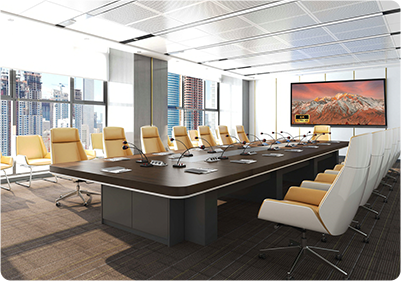
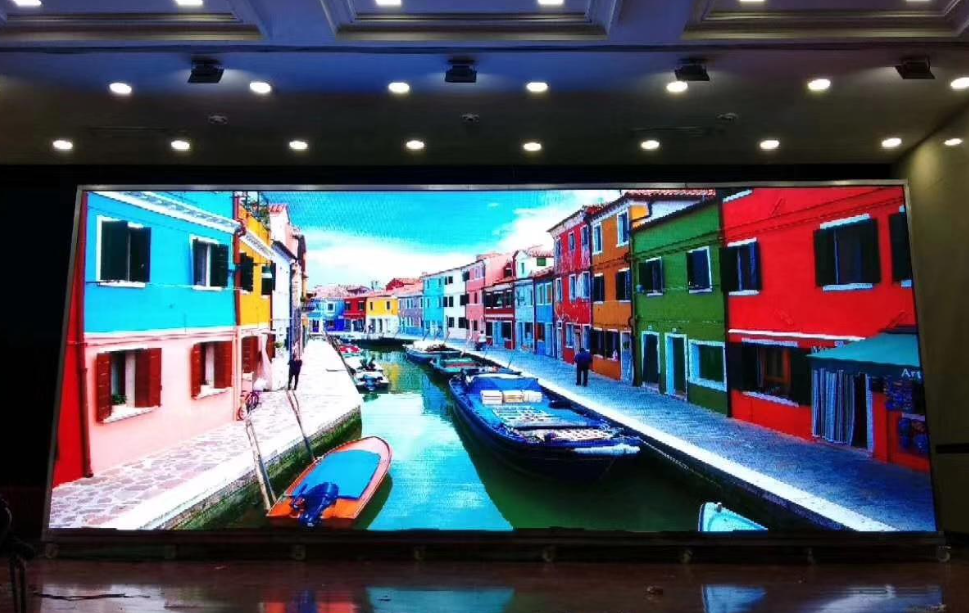
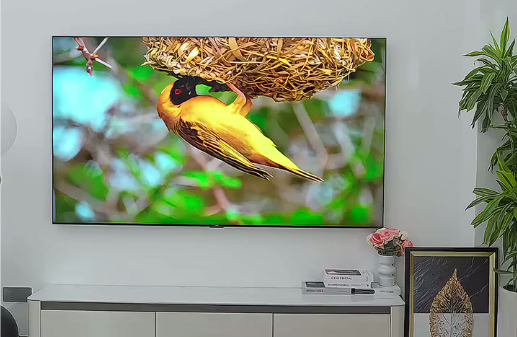
The Mini LED supply chain is relatively mature, with controllable production costs and higher mass-production stability. The screen brightness is uniform, it is less prone to image retention during prolonged operation, and maintenance requirements are lower. In regular usage scenarios such as conference rooms, exhibition halls, and digital advertising screens, it strikes a balance between image quality and budget. When displaying charts and video materials during conference presentations, the image details are clear and the viewing experience remains excellent even under indoor lighting conditions.
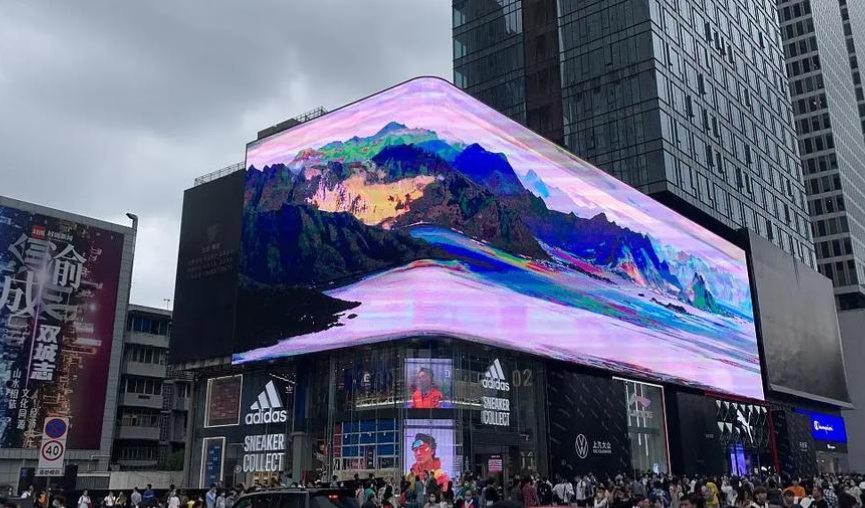
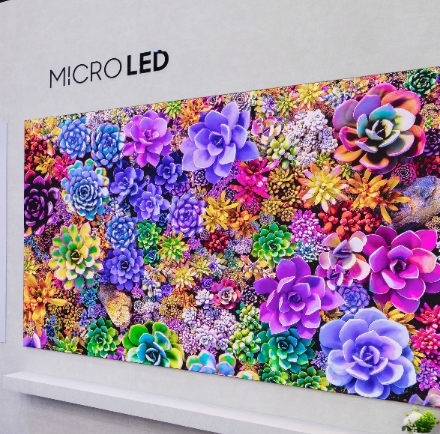
Micro LED represents the next generation of high-end displays. These products boast ultra-high contrast, ultra-fast response times, and ultra-long lifespans, with no motion blur in dynamic images. However, this technology is highly complex to manufacture, and the overall cost is currently much higher. It is more suitable for high-end command and control centers, immersive exhibition areas in science museums, and high-end brand image pavilions—projects that demand the ultimate visual effects and have ample budgets.
How to Make a Choice Between the Two?
Many buyers fall into the misconception that choosing a technology with better parameters will yield better results.
In reality, the appropriate technology is the optimal solution. Blindly choosing Micro LED for ordinary commercial applications will result in unnecessary cost waste; while choosing a basic solution for high-end display projects will fail to achieve the desired display effects.
In the future, the led display industry will see a landscape where products incorporating multiple technologies coexist. Mini LED will continue to penetrate the commercial market, becoming a standard choice for mainstream applications; Micro LED will undergo continuous process iterations, gradually lowering the barriers to adoption and expanding the boundaries of the high-end market.
MileStrong will continue to keep pace with process upgrades for these two technologies, continuously optimizing COB packaging and color calibration solutions. Tailored to the needs of customers in different regions worldwide, we will deliver customized LED display solutions suitable for different projects, helping industries across the board achieve their digital visual upgrades.