Transparent LED Display: The Complete Guide to Features, Applications, Installation & Maintenance Tips
In today’s increasingly digital and experience-driven world, businesses are looking for new ways to capture attention without compromising architectural aesthetics. Traditional LED displays offer strong visual impact, but they often block natural light, obstruct visibility, and alter the appearance of modern glass structures.
In this guide, we’ll explore everything you need to know about transparent LED displays, including how they work, their key advantages, common applications, installation methods and how to choose the right solution for your project.
What Is a Transparent LED Display?
A transparent LED display, also known as a transparent LED screen, LED transparent screen, or glass LED display, is an innovative digital display technology that combines high transparency with dynamic LED visuals. With transparency rates reaching up to 95%, transparent LED displays provide a perfect balance between visual communication and architectural aesthetics.
How Does a Transparent LED Display Work?
Transparent LED displays use specially designed LED strips mounted on transparent substrates or lightweight frame structures. LEDs are arranged with intentional spacing between pixels, allowing light to pass through the display.The result is a screen that appears almost invisible when turned off while delivering bright and vivid content when activated.
The display system typically consists of:
- LED Modules: Core luminous unit for picture rendering
- Signal Source: Inputs video and image content to control system
- Control System: Processes signals and transmits data to every module
- Power Supply System: Offers stabilized rated power for all components
- Structural Framework: Supports installation while maintaining transparency
Key Features of MileStrong Transparent LED Displays
Transparent LED displays have many different features that is essential for buyers, engineers and LED practitioners.
1. Ultra-High Transparency
MileStrong transparent display solutions offer transparency levels up to 95%, preserving visibility while delivering digital content.
2. Ultra-Thin 2mm Structure
The slim profile minimizes visual obstruction and simplifies installation.
3. High Brightness Performance
Brightness options range from 2,000 to 5,000 nits, ensuring clear visibility under various lighting conditions.
4. 3840Hz High Refresh Rate
A high refresh rate ensures:
- Smooth video playback
- Flicker-free recording
- Better camera performance
- Enhanced visual quality
5. True 16-Bit Grayscale
True 16-bit grayscale processing improves:
- Color transitions
- Shadow details
- Image depth
- Overall visual realism
6. Long Lifespan
Designed for commercial operation, the system supports a lifespan of up to 100,000 hours.
7. UV-Resistant PET Material
Advanced PET materials resist yellowing and degradation, helping maintain long-term transparency and appearance.
Types of Transparent LED Displays
Understanding the different types of transparent LED displays helps buyers select the most suitable solution.
Transparent LED Film
Transparent LED film is an ultra-thin display technology attached directly to glass surfaces.
Glass LED Display
Glass LED displays integrate LEDs into laminated or structural glass systems.
Transparent LED Mesh Display
Mesh screens adopt grid-style LED strip layout with large hollow gaps between light bars to secure high air permeability and light transmittance.
Holographic Transparent LED Display
Ultra-high-transparency LED screen creates floating 3D-like visual illusion via optical matching, widely deployed for high-end retail & luxury spaces.
Indoor vs Outdoor Transparent LED Displays
Transparent LED displays are designed for different environments, which is why indoor and outdoor models have distinct performance characteristics.
- Indoor Transparent LED Displays are optimized for shopping malls, retail stores, showrooms, museums, and exhibition halls. Since these environments are protected from rain and direct sunlight, indoor models focus on achieving higher transparency, lighter weight, and seamless integration with architectural spaces.
- Outdoor Transparent LED Displays, on the other hand, are built for glass facades, commercial buildings, airports, and public landmarks. To ensure clear visibility under strong sunlight and reliable operation in changing weather conditions, outdoor models feature higher brightness, enhanced durability, and stronger structural support.
In simple terms, indoor transparent LED displays prioritize aesthetics and transparency, while outdoor transparent LED displays prioritize brightness, durability, and long-distance visibility.
Where Can Transparent LED Displays Be Used?
Transparent LED displays can be applied in different kinds of areas.
Retail Store Windows
Perhaps the most popular application.
Benefits include:
- Increased foot traffic
- Dynamic promotions
- Product visibility retention
Shopping Malls
Transparent LED displays are widely used in storefront windows, atriums, and glass facades to showcase brand advertisements, promotional campaigns, seasonal themes, and digital art content, helping attract visitors while preserving the open architectural feel of the mall.
Automobile Showrooms
Vehicle launches and promotional campaigns benefit from dynamic transparent displays positioned directly on showroom glass.
Corporate Showrooms
Businesses use transparent LED displays to present products, achievements, and brand stories.
Museums and Science Centers
Transparent LED displays can present educational content, scientific simulations, historical information, and interactive digital guides while keeping exhibits fully visible.
Airports and Transportation Hubs
Transparent LED displays can present real-time transportation information, including flight schedules, boarding updates, train timetables, and wayfinding guidance, while maintaining open sightlines.
Glass Curtain Walls
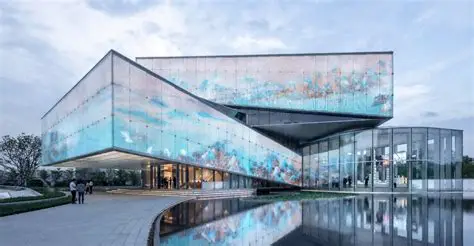
Building facades become large-scale digital media surfaces without sacrificing daylight or transparency.
Why Are Transparent LED Displays Popular?
Nowadays, transparent LED displays are more and more popular thanks to their unique advantages.
- Maintain Architectural Beauty
- Increase Advertising Value
- Enhance Customer Engagement
- Save Structural Costs
Transparent LED Display Installation Methods
As for the installation, there are many different ways to meet different needs of various applications and environments.
Glass Surface Installation
Direct attachment to glass using specialized mounting systems.
Hanging Installation
Suitable for atriums, shopping centers, and exhibition halls.
Curtain Wall Installation
Designed for large architectural projects.
Custom Structural Installation
Engineered solutions for unique building designs.
How to Choose the Right Transparent LED Displays?
Transparent LED displays can be customized according to different requirements. Thus, how to choose the appropriate transparent LED displays depends on several key factors such as installation environment, viewing distance, transparency rate, budget and maintenance.
Determine the Installation Location
Indoor or outdoor?
Evaluate Viewing Distance
Select the appropriate pixel pitch.
Assess Transparency Requirements
Higher transparency is often preferred for retail applications.
Consider Brightness Needs
Natural light environments require higher brightness levels.
Plan for Future Maintenance
Ensure maintenance access is available.
Transparent LED Display Maintenance Tips
Proper maintenance is essential to ensure the long-term performance, transparency, and visual quality of a Transparent LED Display.
Regular Cleaning
Dust, fingerprints, and environmental pollutants can accumulate on the display surface over time, affecting transparency and image quality. Clean the screen periodically using a soft, lint-free cloth and avoid abrasive materials or harsh chemical cleaners that may damage the display surface.
Inspect Power and Signal Connections
Loose power cables or signal connections can lead to display abnormalities, flickering, or communication failures. Routine inspections help ensure stable operation and prevent unexpected downtime.
Monitor Operating Environment
For indoor transparent LED displays, maintain a clean and well-ventilated environment. For outdoor installations, regularly check waterproof seals, cable connections.
Perform Routine System Checks
Regularly inspect the control system, power supplies, and LED modules to identify potential issues before they affect display performance. Updating software and control systems can also improve stability and compatibility.
Avoid Long-Term Overload Operation
Operating the display at maximum brightness continuously may accelerate component aging. Adjusting brightness according to ambient lighting conditions can help reduce power consumption and extend the lifespan of the LED display.
FAQs
How Transparent Can a Transparent LED Display Be?
Transparency levels typically range from 60% to 95%, depending on the product type, pixel pitch, and application requirements. Transparent LED Film solutions generally offer the highest transparency while maintaining excellent visual performance.
What Are the Differences Between Transparent LED Films and Glass LED Displays?
Transparent LED Films are lightweight, self-adhesive solutions that can be directly applied to glass surfaces, while Glass LED Displays integrate LEDs into glass structures and are commonly used for large architectural projects and building facades.
Do Transparent LED Displays Block Natural Light?
No. One of the key advantages of transparent LED technology is its ability to maintain natural lighting while displaying digital content. Even when installed on glass surfaces, the display preserves openness and visibility.
Are Transparent LED Displays Energy Efficient?
Yes. Compared with many traditional display solutions, transparent LED displays feature lightweight structures, optimized power consumption, and intelligent brightness adjustment, helping reduce overall energy usage.