LED Video Wall vs LCD Video Wall: Which Display Solution Is Better for Modern Commercial Spaces?
Table of Contents
Introduction
Digital display technology has become an important part of modern commercial spaces. From shopping malls and corporate headquarters to airports, hotels, and entertainment venues, businesses are using large-format displays to communicate information, promote products, and create memorable customer experiences.
A traditional static poster or projector can no longer meet the needs of many modern environments. Companies now require display solutions that provide high-quality visuals, flexible installation options, reliable operation, and long-term value.
Among all large-screen display technologies, LED video wall and LCD video wall are two of the most widely used solutions.
Both technologies can create impressive visual effects. However, they have significant differences in design, performance, application scenarios, and operating costs.
For businesses planning a new visual display project, choosing between an LED video wall and an LCD video wall is not always simple. A lower initial investment does not always mean a better choice. Factors such as viewing distance, installation environment, content type, maintenance requirements, and future upgrade plans should also be considered.
Therefore, understanding the advantages and limitations of each technology is essential before making a final decision.
This article provides a detailed comparison of LED video wall vs LCD video wall. It explains how both technologies work, compares their key performance factors, and helps businesses choose the most suitable commercial display solution for their projects.
What Is an LED Video Wall?
An LED video wall is a large display system made by connecting multiple LED modules and cabinets together to create a complete screen.
Unlike LCD displays, LED technology uses self-emitting light sources. Each LED chip produces its own light, which means the display does not require a traditional backlight system.This structure provides several advantages, including higher brightness, better contrast performance, wider viewing angles, and greater installation flexibility.
An LED video wall usually consists of several key components:
- LED modules
- LED cabinets
- Receiving cards
- Power supply units
- Control systems
- Display management software
The LED modules contain thousands of tiny LED chips. These chips work together to create images, videos, and dynamic content.
The cabinets provide mechanical support and allow multiple modules to be assembled into a large display surface. Because the system is modular, the final screen size can be customized according to the project requirements.This modular design is one of the biggest reasons why LED technology has become popular in commercial applications.
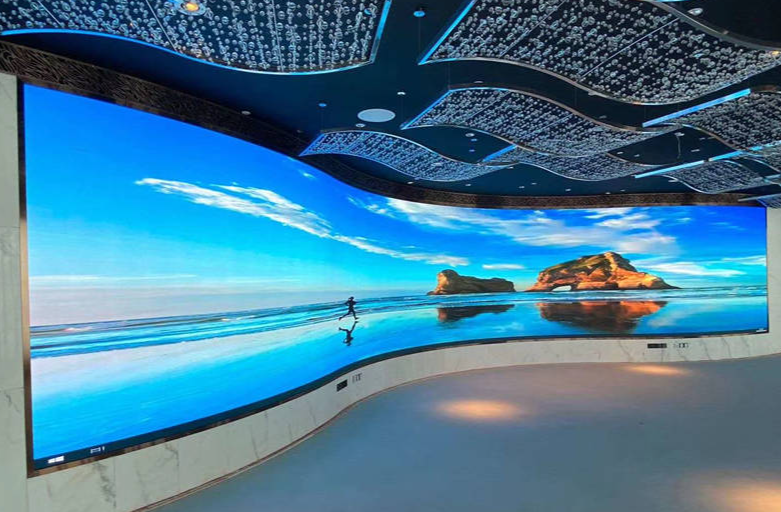
Businesses are no longer limited to standard screen sizes. They can create displays that fit different spaces, including curved walls, creative structures, and large immersive environments.
How Does an LED Video Wall Work?
The working principle of an LED video wall is relatively simple.
When a video signal is sent from a media player or control system, the receiving card processes the information and distributes it to individual LED modules.Each LED pixel controls brightness and color independently.By combining millions of pixels together, the display creates complete images and videos.
Compared with LCD technology, this direct light-emitting structure allows LED displays to achieve:
Higher Contrast
Because LED pixels can be individually controlled, dark areas can appear deeper and more natural.
This improves image quality, especially when displaying:
- Movies
- Product videos
- Brand advertisements
- High-resolution graphics
Better Brightness Performance
LED displays can produce much higher brightness levels compared with traditional LCD panels.
This makes them suitable for environments with strong lighting conditions.
For example:
- Shopping mall entrances
- Glass-front retail stores
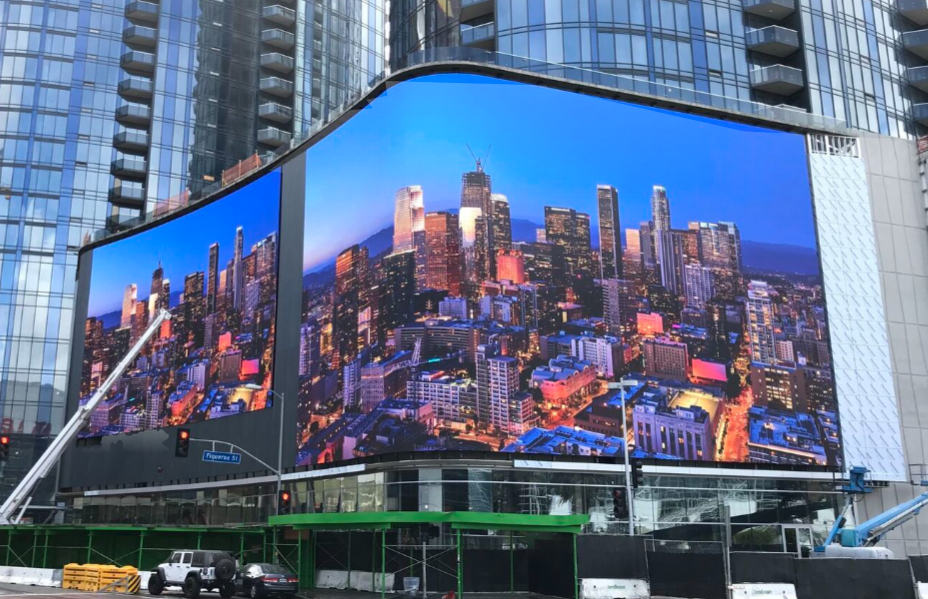
- Outdoor advertising locations
- Transportation stations
Even when surrounding light changes throughout the day, LED displays can maintain clear visibility.
Seamless Large-Scale Display
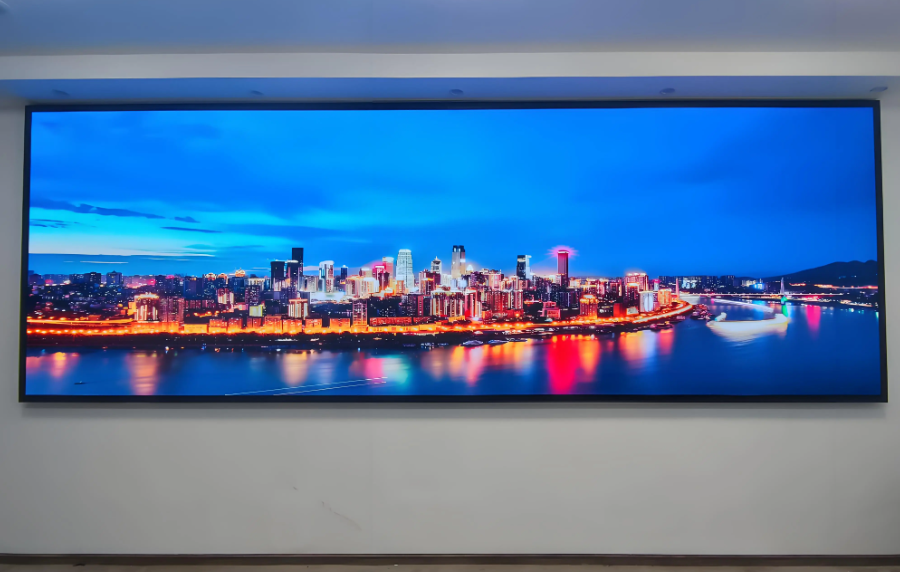
One of the most important advantages of an LED video wall is its seamless appearance.Traditional LCD video walls are created by placing multiple panels together. Even with narrow bezels, visible lines may remain between panels.LED video walls use modular connection technology, allowing multiple cabinets to create one continuous image.
This is especially valuable for applications where visual impact matters, such as:
- Luxury brand stores
- Exhibition halls
- Museums
- Entertainment venues
- Immersive experience spaces
Main Types of LED Video Walls
LED technology has developed significantly in recent years. Today, We can choose different types of LED video walls based on their application requirements.
Fine Pitch LED Video Wall
A fine pitch LED video wall uses smaller pixel spacing to provide higher image resolution.
Pixel pitch refers to the distance between two adjacent LED pixels. A smaller pixel pitch means more pixels can fit into the same screen area, resulting in sharper images.
Common fine pitch LED solutions include: P0.9 /1.2/1.5/1.8/2.5LED display
Fine pitch LED displays are ideal for close-viewing environments, including:
- Conference rooms
- Control centers
- Corporate lobbies
- High-end showrooms
- Broadcast studios
As LED technology continues to improve, fine pitch LED video walls are becoming a strong alternative to LCD video walls in many indoor applications.
Indoor LED Video Wall
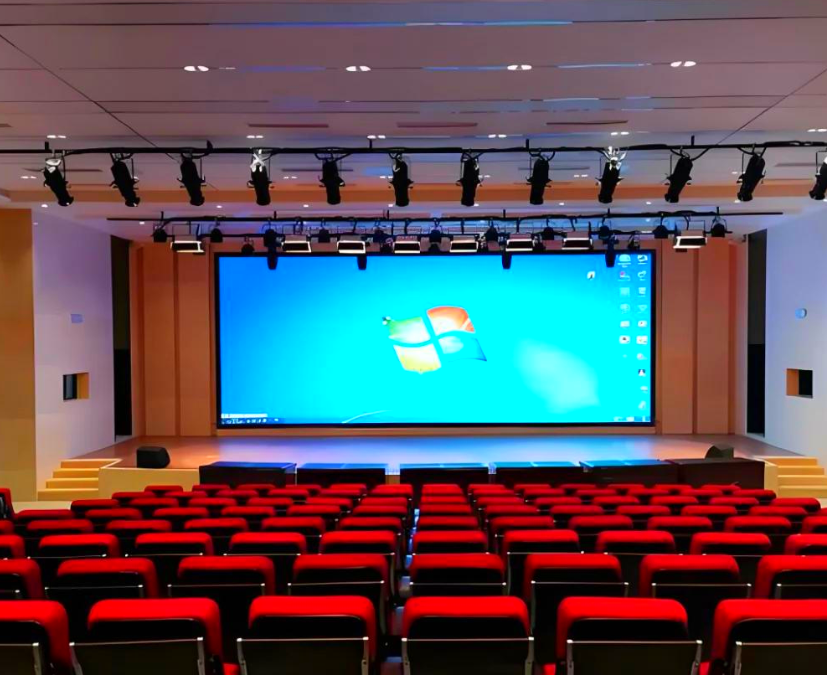
Indoor LED video walls are designed for controlled environments.
They usually focus on:
- High image quality
- Fine details
- Comfortable viewing experience
- Energy efficiency
Common applications include:
Retail Stores
Retail brands use indoor LED displays to create attractive product presentations and digital advertising areas.Dynamic videos can replace traditional posters and provide customers with more engaging shopping experiences.
Corporate Offices
Companies install LED video walls in reception areas, meeting rooms, and employee spaces to display:
- Company information
- Brand content
- Conference presentations
- Real-time data
Exhibition Halls
LED displays help exhibitors create impressive booths and attract visitors through dynamic visual content.
Outdoor LED Video Wall
Outdoor LED video walls are designed to withstand challenging environments.
They usually feature:
- Higher brightness
- Weather protection
- Dust resistance
- Temperature resistance
Typical applications include:
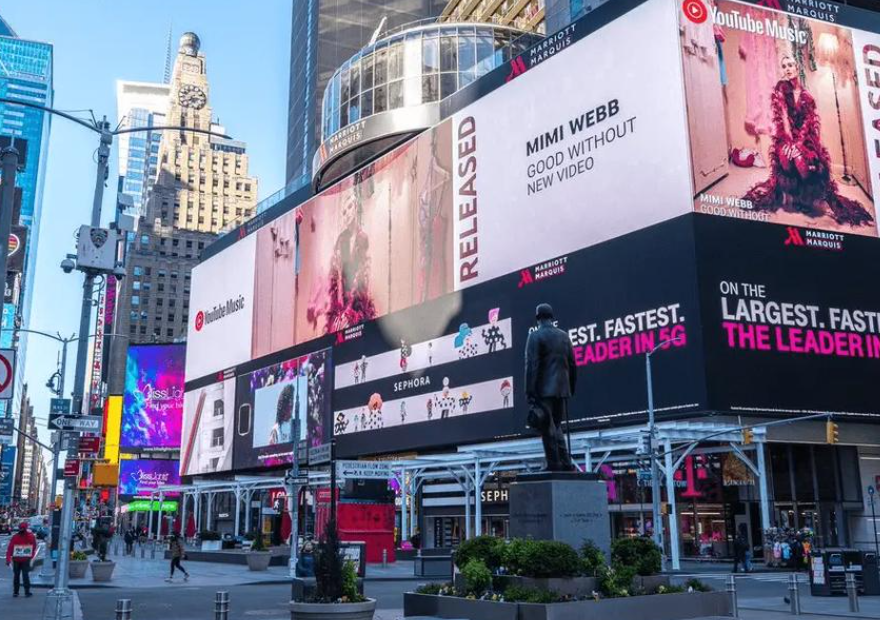
- Advertising billboards
- Stadium displays
- Transportation hubs
- City landmarks
- Outdoor events
Compared with LCD displays, outdoor LED screens have a significant advantage because they can maintain visibility under direct sunlight.
Creative LED Video Wall
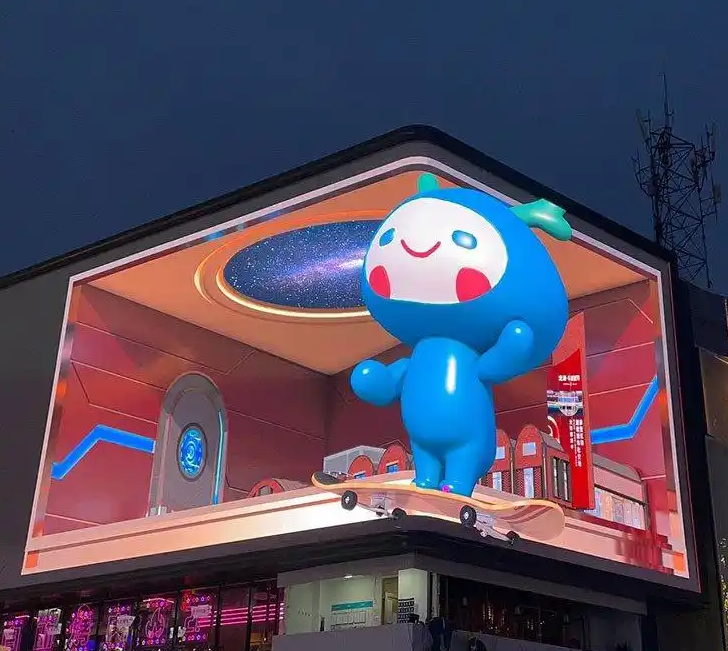
Modern commercial spaces increasingly require unique visual designs.Creative LED video walls provide more possibilities beyond traditional flat screens.
They can be designed as:
- Curved LED walls
- Cylindrical LED displays
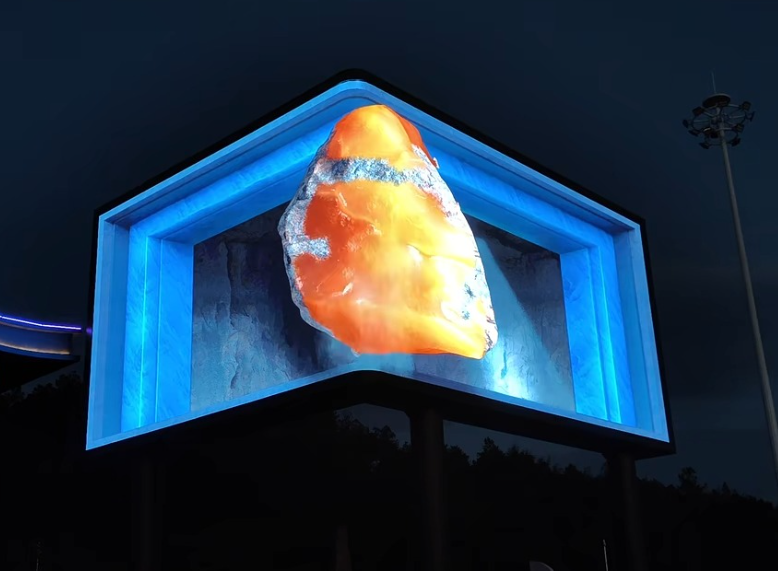
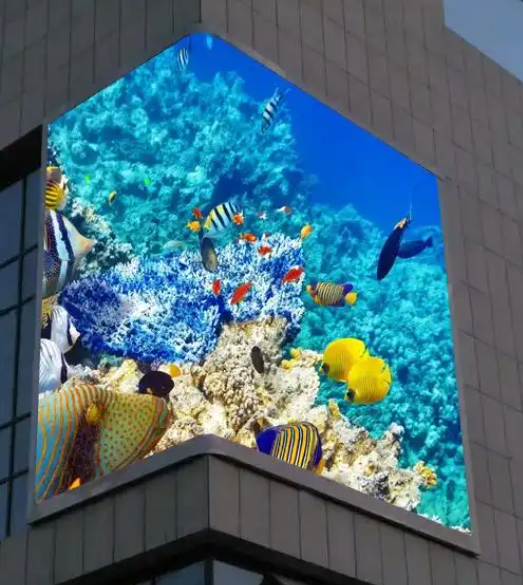
- Corner LED screens
- 3D LED displays
- Immersive LED environments
These solutions are widely used in:
- Theme parks
- Museums
- Luxury retail stores
- Entertainment venues
- Brand experience centers
Creative LED displays help businesses create stronger visual impressions and increase customer engagement.
What Is an LCD Video Wall?
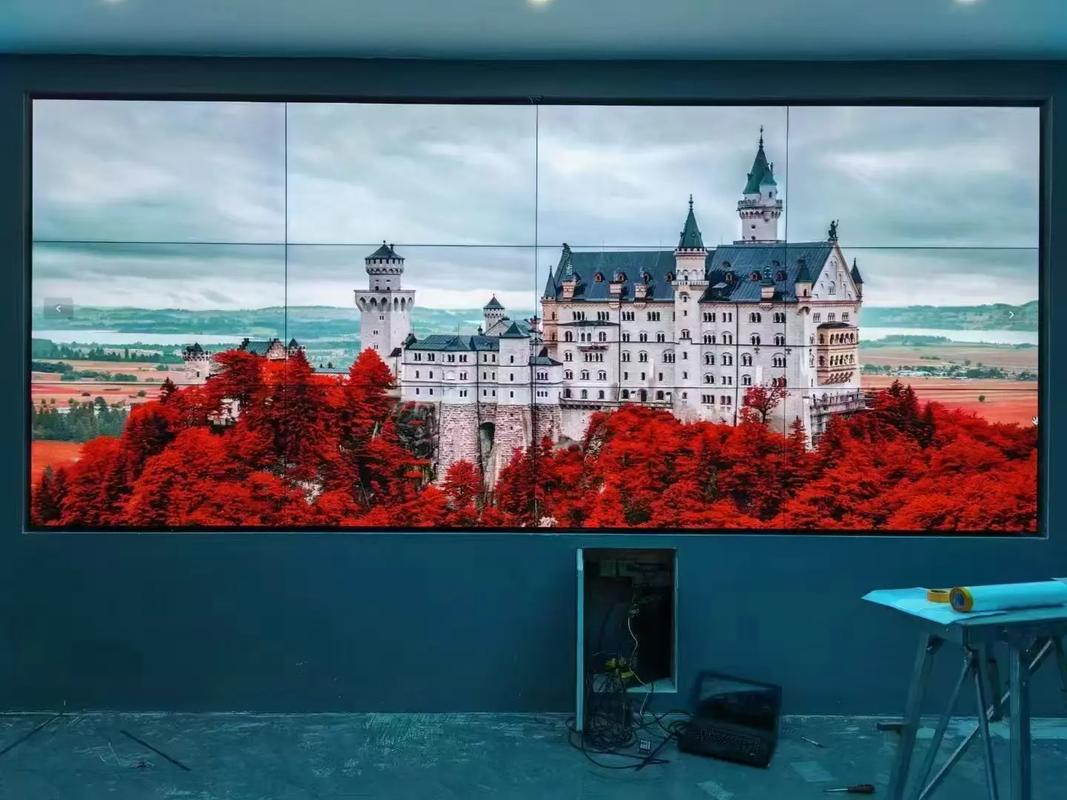
An LCD video wall is a large display system created by combining multiple LCD panels together. Each LCD panel works as an independent display unit, and multiple panels are arranged in a grid structure to form a larger screen.
LCD technology has been widely used in commercial display applications for many years. Because of its mature production process, stable performance, and relatively lower initial cost, LCD video walls remain a popular choice for many businesses.
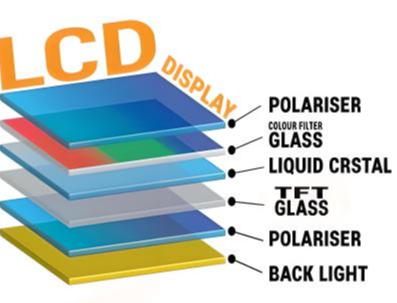
Unlike LED video walls, LCD panels do not generate light by themselves. Instead, they rely on a backlight system placed behind the liquid crystal layer. The backlight provides illumination, while the liquid crystal controls how light passes through to create images.
An LCD video wall system usually includes:
- LCD display panels
- Video wall controller
- Mounting structure
- Signal processing system
- Content management software
The video wall controller combines multiple images from different sources and distributes content across each LCD panel.
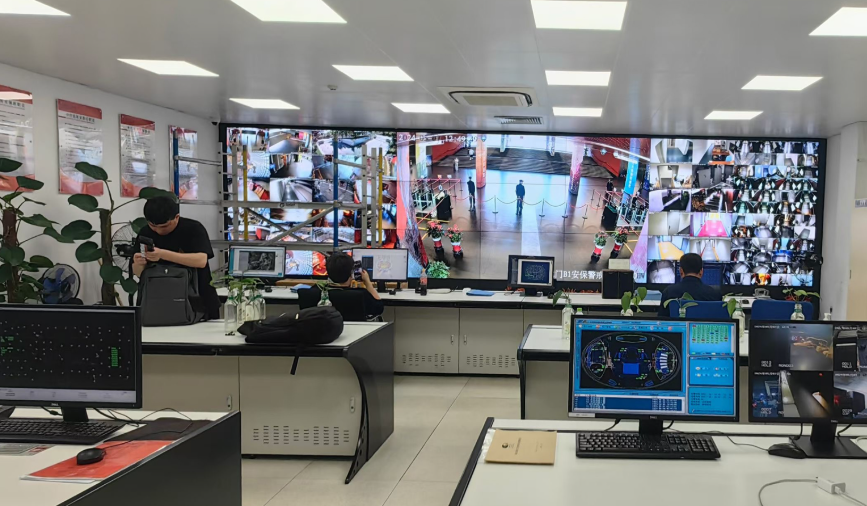
For example, a security monitoring center may display dozens of camera feeds across a large LCD video wall. Each screen can show different information while working together as one complete monitoring system.
How Does an LCD Video Wall Work?
The working process of an LCD video wall is based on liquid crystal technology.When an image signal enters the display system, the controller processes the signal and sends information to each LCD panel.
Inside the LCD panel:
- The backlight produces light.
- Liquid crystal molecules adjust the amount of light passing through.
- Color filters create different colors.
- Pixels combine to form images and videos.
This technology allows LCD displays to provide:
High Resolution Images
LCD panels have been developed for many years and can achieve excellent image clarity.
Many commercial LCD panels support:
- Full HD resolution
- 4K resolution
- High color accuracy
This makes LCD video walls suitable for applications that require detailed information display.
Examples include:
- Data dashboards
- Maps
- Security monitoring
- Financial information
- Technical documents
Stable Indoor Performance
LCD video walls perform well in controlled indoor environments.
They are especially suitable for locations where:
- Lighting conditions are stable
- Viewing distances are moderate
- Screen sizes are fixed
Common installation areas include:
- Office buildings
- Control rooms
- Conference rooms
- Government facilities
- Educational institutions
Lower Initial Investment
One major advantage of an LCD video wall is cost.
Compared with some high-end fine pitch LED video walls, LCD systems generally require a lower initial budget.
For businesses with standard display requirements, LCD can provide a practical solution without a large upfront investment.
Common Applications of LCD Video Walls
Although LED technology is growing rapidly, LCD video walls continue to play an important role in many industries.
Control Rooms and Monitoring Centers
Control rooms require stable and reliable display systems.Operators need to monitor large amounts of information, including:
- Security cameras
- Traffic conditions
- Industrial equipment
- Emergency systems
LCD video walls are commonly used because they can display multiple sources clearly and continuously.
However, many modern control centers are now also considering fine pitch LED displays because of their seamless image advantages.
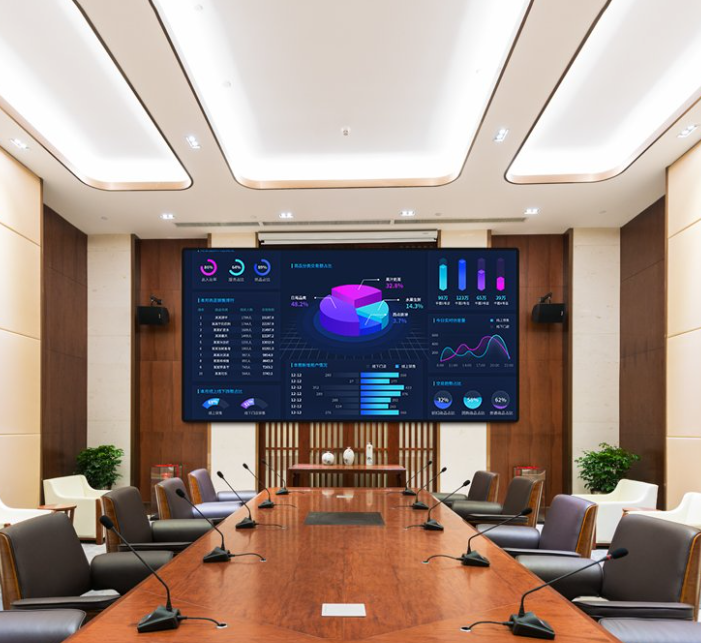
Corporate Meeting Rooms
Many companies use LCD video walls for:
- Video conferences
- Business presentations
- Data visualization
- Internal communication
The high resolution of LCD panels allows employees to read detailed information clearly.
For small and medium-sized conference rooms, LCD remains a cost-effective display solution.
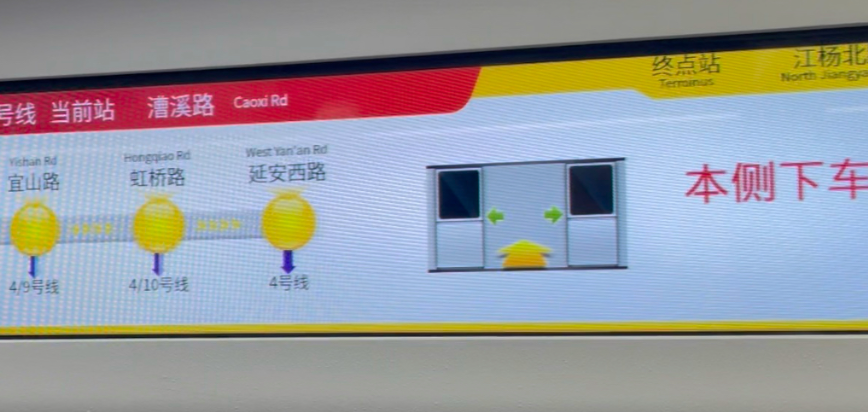
Public Information Displays
Airports, stations, and government buildings often require information screens.
LCD video walls can display:
- Announcements
- Schedules
- Directions
- Public information
Because the content is usually text-based, LCD technology can perform well in these environments.
LED Video Wall vs LCD Video Wall: Detailed Comparison
Choosing between an LED video wall and an LCD video wall requires a complete understanding of their performance differences.
The following comparison focuses on the most important factors for commercial buyers.
Image Quality Comparison
Image quality is one of the first factors businesses consider when selecting a display solution.
Both LED and LCD technologies can provide high-quality images, but their display principles create different visual experiences.
LED Video Wall Image Performance
An LED video wall uses individual LED pixels to create light.
This allows:
Better Contrast
LED pixels can adjust brightness independently.When displaying dark scenes, LEDs can reduce brightness or turn off completely, creating deeper black levels.
This improves:
- Video quality
- Visual depth
- Realistic image performance
Stronger Color Performance
Modern LED displays support wide color gamut technology.They can reproduce more accurate and vivid colors, which is especially important for:
- Brand advertising
- Product demonstrations
- Creative content
Better HDR Performance
HDR (High Dynamic Range) technology requires strong brightness and contrast control.Because LED displays can achieve high brightness and excellent contrast, they are highly suitable for HDR content.
LCD Video Wall Image Performance
LCD video walls also provide excellent image quality, especially for static content.
Advantages include:
Sharp Text Display
LCD panels have fixed pixel structures, which can provide very clear text and graphics.
This is useful for:
- Reports
- Charts
- Monitoring systems
- Office presentations
Consistent Indoor Performance
In environments with controlled lighting, LCD displays can provide stable image output.
However, LCD technology has some limitations.
Because LCD panels use back-lighting, black areas may appear slightly gray instead of completely dark.
This can reduce contrast compared with LED displays.
Seamless Display Experience
A seamless display is one of the biggest differences between LED video walls and LCD video walls.
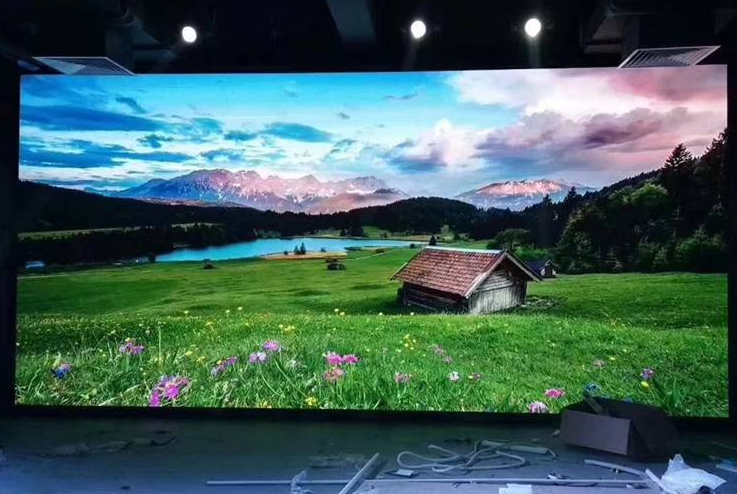
LED Video Wall: One Continuous Image
LED cabinets can connect almost seamlessly.Viewers see one complete image without interruption.This creates a more immersive experience for:
- Large videos
- Brand advertisements
- Creative content
- Virtual environments
For example, in a luxury showroom, a large LED video wall can display high-resolution product videos without visible lines breaking the image.
LCD Video Wall: Visible Bezel Lines
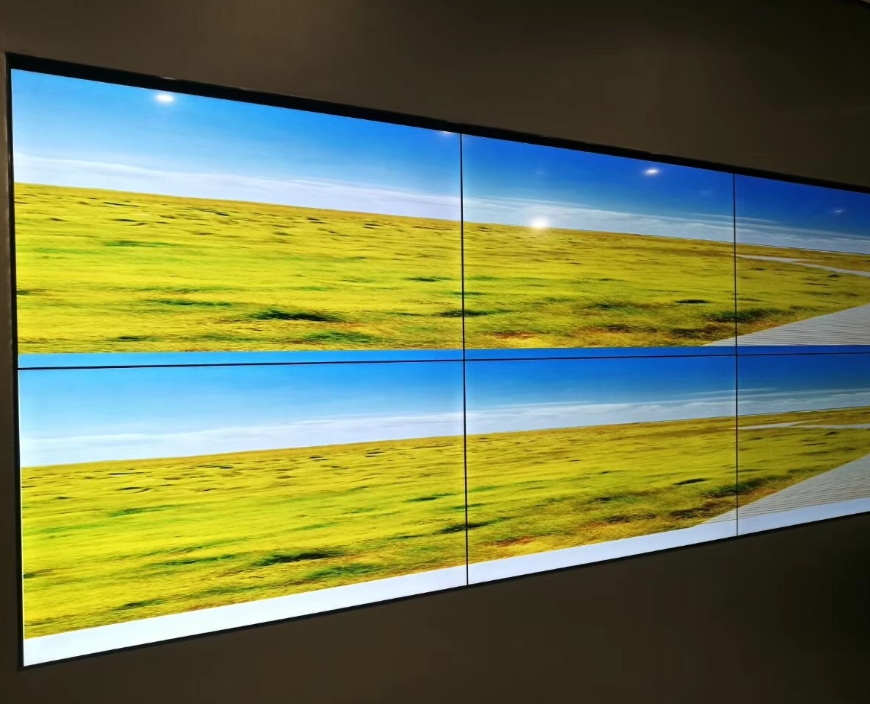
LCD video walls are made by connecting multiple panels.Even with ultra-narrow bezel technology, small gaps remain between screens.For some applications, these lines are acceptable.
For example:
- Security monitoring
- Data dashboards
- Information displays
However, for applications focused on visual impact, bezel lines may affect the experience.
Brightness and Environmental Adaptability
Brightness determines how clearly content can be seen in different environments.
LED Video Wall Brightness Advantages
LED displays can achieve significantly higher brightness levels.
Typical performance:
- Indoor LED display: 600–1,500 nits
- Outdoor LED display: 3,000–8,000+ nits
This allows LED screens to perform well in:
- Shopping malls with strong lighting
- Glass buildings
- Outdoor advertising locations
- Sports venues
LCD Video Wall Brightness Performance
LCD displays usually provide:
- Around 500–700 nits for commercial applications
This is sufficient for many indoor environments.
However, strong ambient light may reduce visibility.
For example, an LCD display near a large glass window may appear less vibrant during daytime.
Pixel Pitch and Viewing Distance
Pixel pitch is an important specification when selecting an LED display.It refers to the distance between two LED pixels.
A smaller pixel pitch means:
- Higher pixel density
- More detailed images
- Better close-range viewing
Common fine pitch LED solutions include: P0.9/1.2/1.5/1.8/2.5
Choosing Pixel Pitch for Different Spaces
Close Viewing Distance
For conference rooms, control rooms, and premium showrooms: P0.9/1.2/1.5
These displays provide excellent image details even when viewers stand close.
Medium Viewing Distance
For retail stores and exhibition halls:
Recommended: P1.8/2.5/3
They provide a good balance between image quality and cost.
Long Viewing Distance
For large venues and outdoor applications:
Recommended: P4/5/6+
Larger pixel pitch models can provide excellent visibility while controlling project costs.
LCD video walls naturally have fixed resolutions and screen sizes.
They perform well when viewers are at an appropriate distance, but they cannot match LED’s flexibility in choosing screen size and pixel pitch.
LED video wall has a more flexibility of pixel pitch.
Installation Flexibility
Installation requirements are different for every commercial project.
LED Video Wall Advantages
Because LED displays are modular, they can be customized into different shapes and sizes.
Possible designs include:
- Large flat screens
- Curved LED walls
- Corner displays
- Creative structures
- Immersive rooms
This makes LED ideal for modern architectural spaces.
LCD Video Wall Limitations
LCD systems rely on fixed-size panels.
Although multiple panels can create large displays, design options are more limited.
They are mainly suitable for:
- Standard rectangular layouts
- Fixed installation areas
- Traditional display projects
Energy Consumption Comparison
Energy efficiency has become an increasingly important factor when businesses select a commercial display solution.
A display system is often expected to operate for many hours every day. Therefore, power consumption directly affects long-term operating costs.
Both LED video walls and LCD video walls have improved significantly in energy efficiency. However, their working principles create some differences.
LED Video Wall Energy Efficiency
Traditional LED displays were sometimes considered high-power devices, especially large outdoor screens. However, modern LED technology has introduced many energy-saving innovations.
Today’s commercial LED video walls often use:
- Common cathode technology
- High-efficiency LED chips
- Energy-saving driver ICs
- Automatic brightness adjustment systems
- Intelligent power management
These technologies help reduce unnecessary power consumption.
For example, when a display shows dark images, LED pixels can reduce brightness automatically. This means the screen does not always operate at maximum power.
For large-scale applications running continuously, such as:
- Digital advertising screens
- Transportation displays
- Stadium screens
- Shopping mall video walls
energy-saving LED solutions can significantly reduce electricity costs over time.
LCD Video Wall Energy Efficiency
LCD video walls use a backlight system that remains active whenever the display is operating.
This means the entire screen requires continuous illumination, even when displaying darker content.
For smaller indoor applications, the power difference may not be significant.
However, for very large installations or 24/7 operation environments, energy consumption becomes an important consideration.
Maintenance and Reliability Comparison
Maintenance is often overlooked during the initial purchasing stage.
Many businesses focus only on the purchase price but ignore the long-term cost of operation.
A reliable display solution should minimize downtime, simplify repairs, and maintain stable performance for years.
LED Video Wall Maintenance
One major advantage of LED technology is its modular structure.
An LED video wall consists of many independent modules and components.
If a problem occurs, technicians can replace individual parts, including:
- LED modules
- Receiving cards
- Power supplies
- Control components
This prevents the need to replace the entire screen.
Many professional LED displays also support:
Front Maintenance
Technicians can remove modules from the front side of the display.
This is useful when:
- The screen is installed directly against a wall
- Space behind the display is limited
- Maintenance access is difficult
Rear Maintenance
For large fixed installations, rear maintenance is also widely used.
The modular design helps reduce repair time and operational interruption.
LCD Video Wall Maintenance
LCD video walls also provide stable performance. However, their structure is different.
If one LCD panel fails, the damaged panel usually needs to be replaced as a complete unit.
This may involve:
- Removing the panel
- Adjusting alignment
- Re-calibrating the system
In addition, because LCD video walls contain visible panel boundaries, replacing one panel may require additional adjustment to maintain consistent brightness and color.
Lifespan and Durability Comparison
A commercial display system is a long-term investment. Lifespan directly affects return on investment.
LED Video Wall Lifespan
High-quality LED video walls typically offer a lifespan of up to:
100,000 hours
This means:
- Around 11 years of continuous operation
- More than 20 years under normal daily usage conditions
Actual lifespan depends on:
- Product quality
- Installation environment
- Operating temperature
- Maintenance practices
Professional LED manufacturers also use technologies such as:
- Heat management systems
- High-quality components
- Protective coatings
to improve reliability.
LCD Video Wall Lifespan
Commercial LCD panels generally provide:
50,000–70,000 hours
This is still a strong lifespan for many indoor applications.
However, LCD displays may experience:
- Backlight brightness reduction
- Color changes over time
- Panel aging
Because the backlight system is a key component, degradation may affect overall image performance.
Initial Investment vs Long-Term Value
Budget is one of the most important factors in any display project.
At first glance, LCD video walls often appear more affordable because their purchase price is lower.
However, professional buyers should consider the total cost of ownership.
Total cost includes:
- Initial purchase price
- Installation cost
- Energy consumption
- Maintenance expenses
- Replacement cost
- Downtime losses
LCD Video Wall: Lower Initial Cost
LCD is attractive for organizations that need a reliable display within a limited budget.
Typical applications include:
- Small meeting rooms
- Office displays
- Basic monitoring systems
For projects where visual impact is not the main priority, LCD can be a practical solution.
LED Video Wall: Higher Value Over Time
Although LED video walls usually require a higher initial investment, they provide several long-term advantages:
- Longer lifespan
- Lower maintenance complexity
- Better scalability
- Stronger visual performance
- Higher customer engagement
For businesses using displays as part of marketing, branding, or customer experience, LED can create measurable business value.
For example, a retail store using an LED video wall can update promotional content instantly, attract customer attention, and create a more premium shopping environment.
LED Video Wall vs LCD Video Wall: Applications by Industry
Different industries have different display requirements.
A suitable display solution should match the environment, content type, and business goals.
1. Retail Stores and Shopping Malls
Retail environments are highly visual.
Brands need displays that attract attention and create emotional connections with customers.
Traditional posters and static advertising are gradually being replaced by digital display systems.
Why Choose LED Video Wall for Retail?
LED video walls provide:
Strong Visual Impact
Large seamless screens can display:
- Product videos
- Brand stories
- Seasonal campaigns
- Promotional content
The high brightness and vivid colors help brands stand out in crowded commercial spaces.
Flexible Design
Retail stores often have unique architectural designs.
LED can be customized for:
- Store entrances
- Window displays
- Feature walls
- Curved structures
Premium Brand Experience
Luxury brands especially value visual presentation.
An LED video wall can create a modern, high-end atmosphere that improves customer perception.
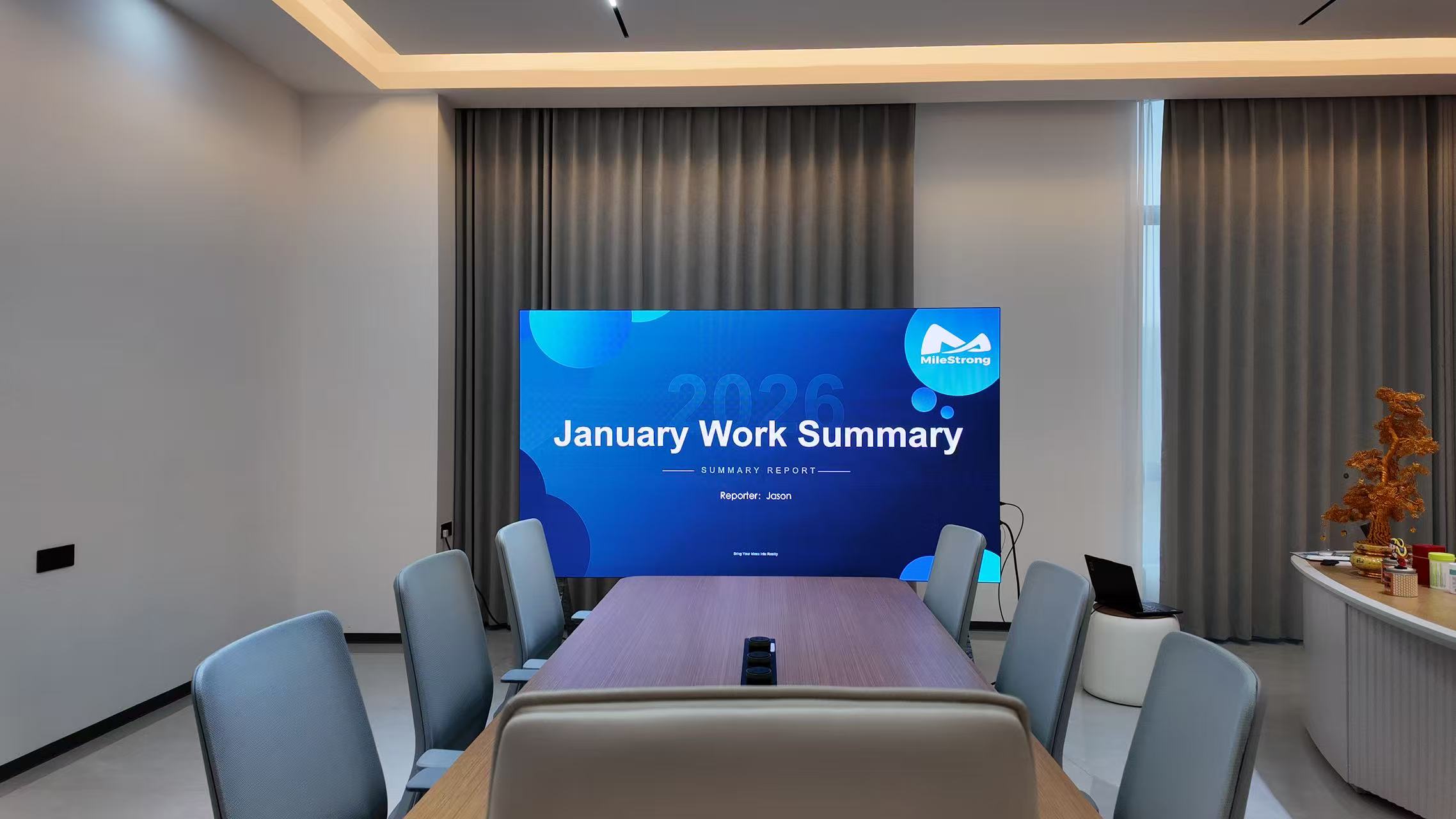
2. Corporate Offices and Meeting Spaces
Modern companies increasingly use digital displays to improve communication.
Applications include:
- Reception areas
- Conference rooms
- Training centers
- Executive offices
LED Video Wall Advantages in Corporate Spaces:
A large LED display can become a visual center for:
- Company presentations
- Video conferences
- Data dashboards
- Corporate branding
Fine pitch LED displays are especially suitable because employees can view content clearly from close distances.
When LCD May Be Suitable:
For smaller conference rooms with limited budgets, LCD video walls remain practical.
They can effectively display:
- Documents
- Charts
- Meeting information
However, companies seeking a more premium corporate image increasingly prefer LED solutions.
3.Control Rooms and Command Centers
Control rooms require reliable displays that operate continuously.
They need:
- Clear information visibility
- Stable performance
- Low maintenance
- Accurate image presentation
LED vs LCD in Control Rooms:
LCD video walls have traditionally dominated this market because of their high resolution and availability.
However, fine pitch LED displays are becoming increasingly popular.
Advantages of LED include:
- No bezel interruption
- Better large-scale visualization
- Higher reliability
- Wider viewing angles
For modern command centers requiring immersive data visualization, LED provides significant advantages.
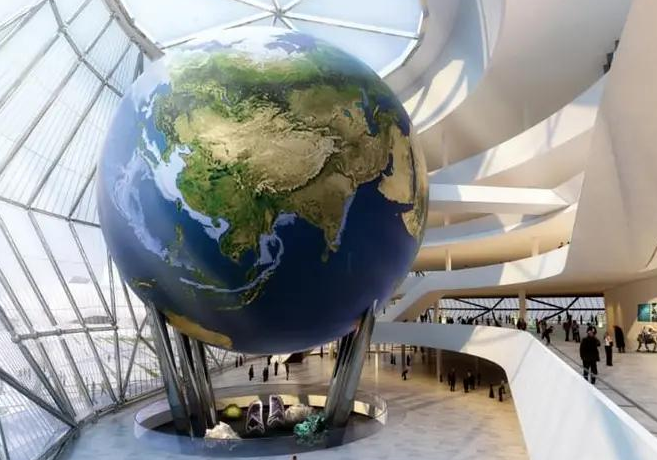
4. Exhibition Halls and Museums
Exhibition spaces focus on creating memorable experiences.
Visitors expect more than simple information displays.
LED video walls help create:
- Interactive environments
- Immersive storytelling
- Dynamic presentations
Because LED screens can be customized into creative shapes, they are widely used in:
- Museums
- Science centers
- Brand exhibitions
- Trade shows
5. Hotels and Hospitality Spaces
Hotels use digital displays in:
- Lobby areas
- Event halls
- Conference rooms
- Entertainment areas
A high-quality LED video wall can improve the guest experience by displaying:
- Welcome messages
- Event information
- Brand visuals
- Digital artwork
For luxury hotels, visual presentation is closely connected with brand image.
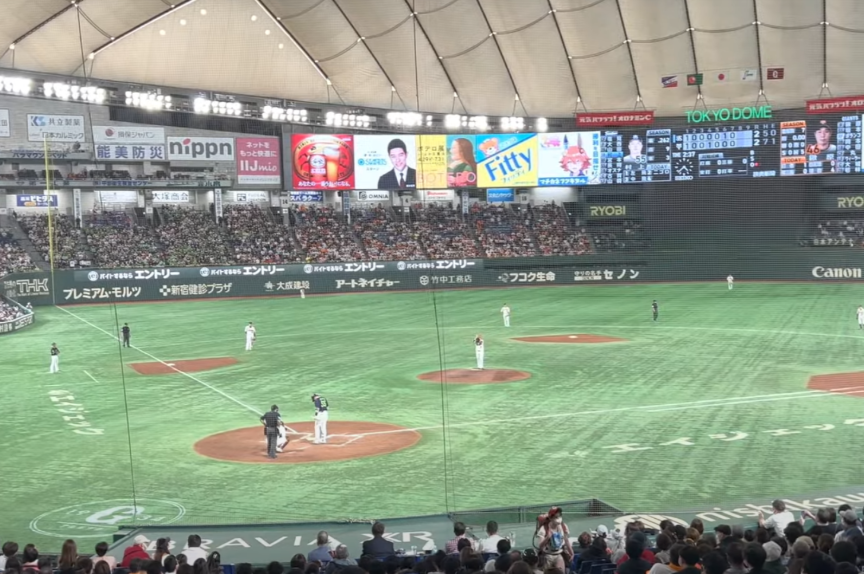
6. Stadiums and Entertainment Venues
Large venues require displays that can be seen clearly from long distances.
LED video walls are widely used in:
- Stadium scoreboards
- Advertising boards
- Concert backgrounds
- Event stages
Advantages include:
- High brightness
- Large size
- Wide viewing angle
- Real-time content updates
LCD video walls are generally not suitable for these environments due to brightness and size limitations.
7. Digital Signage and Advertising
The digital advertising market has grown rapidly.
Businesses need displays that can attract attention and deliver content effectively.
LED video walls are widely used for:
- Outdoor advertising
- Shopping mall advertising
- Transportation advertising
- Brand campaigns
Their large size and high brightness make them ideal for public communication.
How to Choose the Right Display Solution?
Before purchasing a video wall system, businesses should evaluate several key factors.
Step 1: Define the Application
Ask:
- Where will the display be installed?
- What type of content will be shown?
- How many hours will it operate daily?
Different applications require different technologies.
Step 2: Consider Viewing Distance
Viewing distance directly affects pixel selection.
Close viewing: Fine pitch LED
Medium distance: Standard indoor LED
Long distance: Large pixel pitch LED
Step 3: Evaluate Installation Environment
Consider:
- Indoor or outdoor use
- Lighting conditions
- Available installation space
- Maintenance access
Step 4: Consider Long-Term Operating Cost
Do not focus only on the initial price.
Evaluate:
- Energy usage
- Maintenance requirements
- Product lifespan
- Service support
Step 5: Choose a Reliable LED Display Manufacturer
After deciding that an LED video wall is the right display solution, choosing the right supplier is the next important step.
The quality of an LED video wall depends not only on the screen design but also on the manufacturer’s technology, production capability, quality control system, and after-sales service.
A professional LED display manufacturer should provide more than products. They should offer complete solutions based on different project requirements.
When evaluating suppliers, businesses should consider the following factors.
1. Product Quality and Manufacturing Capability
A reliable manufacturer should have strong production capabilities and strict quality control processes.
Important factors include:
- High-quality LED chips
- Stable driving systems
- Reliable power components
- Advanced manufacturing equipment
- Professional testing procedures
Before delivery, commercial LED displays should go through multiple tests, including:
- Brightness testing
- Color calibration
- Aging testing
- Signal testing
- Reliability testing
These processes help ensure stable performance after installation.
2. Complete Product Range
Different projects require different types of LED solutions.
A professional supplier should provide various products, including:
- Indoor LED video walls
- Fine pitch LED displays
- Outdoor LED displays
- Rental LED displays
- Transparent LED screens
- Creative LED displays
- Customized LED solutions
A complete product portfolio allows businesses to choose the most suitable display based on their application.
For example:
A conference room may require a fine pitch LED video wall.
A shopping mall may need a commercial LED display with high brightness.
A building facade may require an outdoor LED solution.
3. Technical Support and Project Experience
Installing a large-format display requires professional experience.
A reliable LED display partner should provide support throughout the project, including:
- Product selection
- Display design
- Installation guidance
- Technical training
- After-sales service
Experienced manufacturers understand different application environments and can recommend suitable specifications.
4. Certifications and Quality Standards
International projects often require products that meet global standards.
Important certifications may include:
- ETL
- PSE
- KC
- RoHS
- FCC
- EMC
- ISO quality management certifications
These certifications demonstrate that products meet international safety and quality requirements.
Future Trends of Commercial Display Technology
The commercial display industry continues to evolve rapidly.
New technologies are changing how businesses use digital displays and creating new possibilities for visual communication.
1. Mini LED and Micro LED Technology
Mini LED and Micro LED are among the most important future trends in display technology.
Micro LED
Micro LED represents the next generation of LED display technology.
It uses extremely small LED chips that create individual pixels.
Advantages include:
- Extremely high brightness
- Excellent contrast
- Long lifespan
- Superior image quality
Although Micro LED is still developing, it has significant potential for future large-format display solutions.
2. Immersive LED Display Experiences
Modern customers increasingly expect interactive and memorable experiences.
As a result, immersive LED applications are growing quickly.
Examples include:
- Immersive exhibition rooms
- Digital art spaces
- Virtual experience centers
- Theme parks
- Brand experience stores
Large seamless LED screens allow designers to create environments where digital content becomes part of the physical space.
This trend is changing the role of LED displays.
They are no longer only information tools.
They have become powerful experience platforms.
3. XR Virtual Production
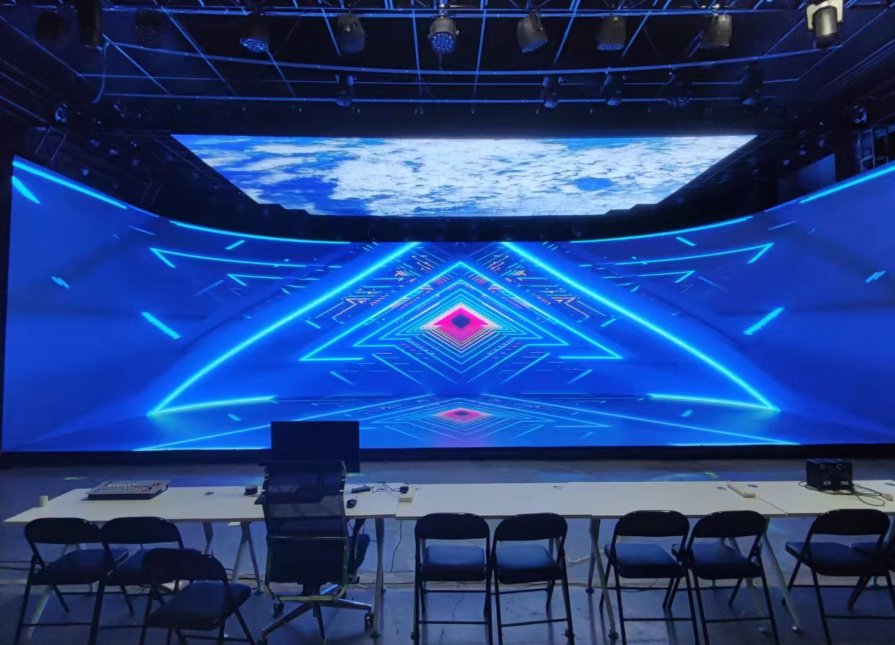
XR virtual production is another growing application for LED technology.
Film studios, television companies, and content creators use large LED walls as digital backgrounds.
Compared with traditional green screens, LED virtual production provides:
- Real-time visual effects
- More realistic lighting
- Better camera interaction
- Faster production workflows
This technology is becoming increasingly important in:
- Film production
- Broadcasting
- Advertising creation
- Live events
4. Smart Display Management
Future commercial display solutions will become more intelligent.
Modern LED systems are integrating:
- Remote monitoring
- Cloud-based management
- Automatic fault detection
- Smart brightness adjustment
These features help businesses:
- Reduce maintenance costs
- Improve operational efficiency
- Monitor display performance remotely
For large networks of digital signage displays, smart management will become essential.
LED Video Wall vs LCD Video Wall: Final Conclusion
Both LED video walls and LCD video walls have their own advantages.
LCD video walls remain a practical choice for many indoor applications where budget and high-resolution static content are the main priorities.
They are suitable for:
- Office meeting rooms
- Monitoring centers
- Information displays
- Small indoor projects
However, the commercial display market is moving toward solutions that provide stronger visual impact, greater flexibility, and better long-term value.
This is where LED technology has a clear advantage.
An LED video wall provides:
- Seamless visual performance
- Higher brightness
- Better contrast
- Flexible installation options
- Longer lifespan
- Easier maintenance
- Stronger customer engagement
For modern commercial spaces, LED is becoming more than a display device. It is becoming an important part of brand communication, customer experience, and digital transformation.
Whether used in retail stores, corporate headquarters, exhibition halls, stadiums, hotels, or entertainment venues, LED video walls help businesses create more attractive and interactive environments.
At MileStrong, we focus on providing professional LED display solutions for global customers. Our product range covers indoor LED video walls, fine pitch LED displays, outdoor LED screens, transparent LED displays, rental LED solutions, and customized creative LED installations.
With professional manufacturing capabilities, advanced LED technology, and project experience across different industries, MileStrong helps customers select the right display solution based on their application needs.
From product selection to installation support, we work with partners to deliver reliable, high-performance LED display systems for modern commercial spaces.
Frequently Asked Questions
1. Is an LED video wall better than an LCD video wall?
For most commercial applications, an LED video wall provides better overall performance because it offers seamless images, higher brightness, longer lifespan, and greater installation flexibility.
However, LCD video walls can still be a suitable choice for projects with lower budgets and standard indoor requirements.
2. What is the main difference between LED video wall and LCD video wall?
The biggest difference is the display technology.
LED video walls use self-emitting LED pixels, while LCD video walls use liquid crystal panels with a backlight system.
This difference affects brightness, contrast, seamlessness, and installation flexibility.
3. Are LED video walls suitable for indoor applications?
Yes.
Modern fine pitch LED video walls are widely used indoors, including:
- Conference rooms
- Corporate offices
- Retail stores
- Exhibition halls
- Control centers
4. How long does an LED video wall last?
A high-quality commercial LED video wall can last up to 100,000 hours depending on product quality, operating conditions, and maintenance.
5. Why are businesses replacing LCD video walls with LED?
Many businesses choose LED because it provides:
- No visible bezel lines
- Higher brightness
- Better visual impact
- More flexible installation
- Lower long-term maintenance costs
6. What Pixel Pitch Should I Choose for an LED Video Wall?
The right pixel pitch depends on viewing distance.
Examples:
- 9–P1.5: close viewing environments such as conference rooms
- 8–P3: retail stores and exhibition spaces
- P4–P6: large venues and outdoor applications
7. Are LED Video Walls Energy Efficient?
Modern LED video walls can be highly energy efficient when using technologies such as common cathode design, smart brightness control, and efficient LED components.
8. Can LED Video Walls Be Customized into Different Shapes?
Yes.
LED video walls can be designed into:
- Curved screens
- Corner displays
- Cylindrical screens
- Creative structures
- Immersive environments
9. Which Is More Cost-Effective, LED or LCD?
LCD usually has a lower initial cost.
However, LED may provide better long-term value because of its longer lifespan, lower maintenance requirements, and stronger visual performance.