
In the current fields of commercial displays, government publicity, and atmosphere creation, LED displays have become the mainstream display technology. With advantages such as seamless splicing, flexible sizing, rich colors, and high adaptability, LED displays are widely used in various indoor and outdoor settings. A common mistake many buyers make when selecting LED displays is confusing the intended uses of indoor and outdoor displays. Blindly choosing the wrong type can result in poor display quality, a shortened service life, sky-high maintenance costs, and even safety hazards.
Indoor and outdoor LED displays may appear similar in appearance and share essentially the same core components, but they are products developed and designed for completely different operating environments. There are fundamental differences between them across multiple key dimensions, including brightness specifications, protection ratings, structural design, maintenance standards and suitable applications. There is no absolute superiority or inferiority between the two; the only difference lies in their suitability for specific scenarios.
This article will provide a comprehensive and detailed comparison to clarify the core differences between these two types of displays. It aims to assist in making precise selection decisions, eliminate waste and potential hazards associated with improper selection, and ensure that every LED display delivers optimal performance.
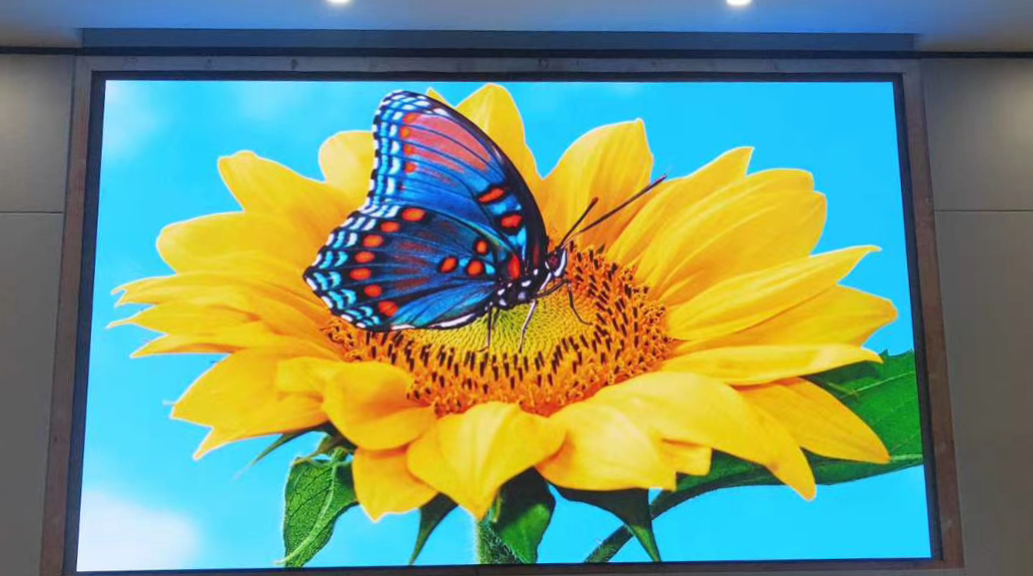
Indoor LED displays are specialized display devices designed specifically for enclosed indoor environments, eliminating the need to withstand harsh natural conditions such as wind, rain, direct sunlight, and dust. They are the mainstream choice for indoor commercial displays, government exhibitions, and conference promotions. The overall design of these devices emphasizes precision and aesthetics, allowing them to blend seamlessly with interior decor. They can be flexibly assembled into any size to fit the available space and are widely suitable for displaying a variety of static and dynamic images indoors.
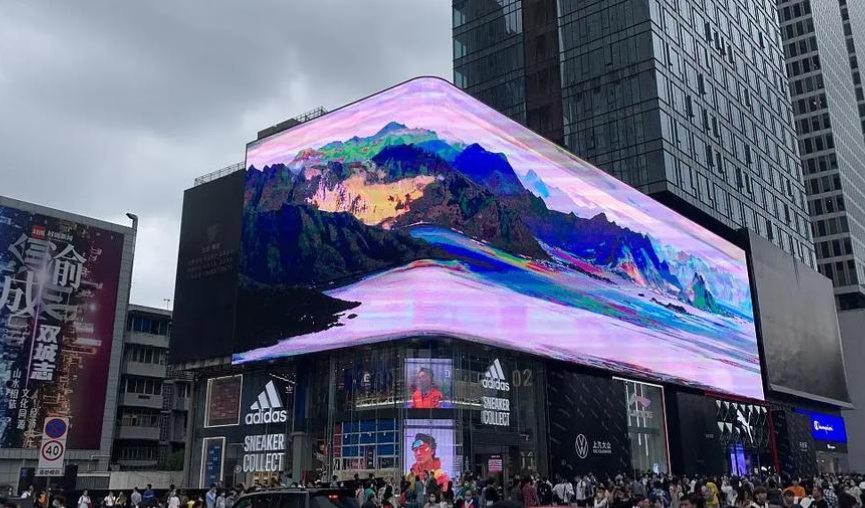
Outdoor LED displays are professional display devices tailor-made for complex outdoor environments. They provide core solutions to industry pain points such as poor visibility in bright sunlight, susceptibility to damage from wind and rain, and safety concerns associated with installation at heights. The entire unit is constructed using industrial-grade materials and full-sealing protective technology, designed for 24/7 continuous operation. It can withstand extreme outdoor conditions—including seasonal temperature fluctuations, heavy rain, sandstorms, strong sunlight, and freezing temperatures—making it the primary display medium for urban outdoor advertising, government announcements, and outdoor information dissemination.
Specifications are key to the user experience of LED displays. The core purpose of designing different specifications for indoor and outdoor LED displays is to adapt to different lighting conditions, ensure clear visibility, and meet environmental protection requirements.
Brightness is the most critical difference between these two types of displays.
The brightness standard for indoor LED displays is generally within 800 nits. Indoor environments feature soft lighting, a lower brightness setting is sufficient to meet high-definition display requirements.
In contrast, outdoor environments feature complex lighting conditions, displays with low brightness levels may suffer from washed-out images and illegible content. Therefore, outdoor LED displays are designed to meet extremely high brightness standards, with typical brightness levels ranging from 4,500 to 7,000 nits. Some ultra-high-brightness outdoor screens can exceed 8,000 nits, ensuring clear visibility around the clock, even under direct sunlight.
Differences in the application environments result in variations in the protection ratings of the two products.
Indoor LED displays do not need to withstand wind, rain, dust, or extreme temperatures, so they have a lower protection rating—typically around IP30. They can resist a small amount of dust and minor contact, but are not waterproof or moisture-resistant.
Outdoor LED displays feature an upgraded protective structure for their modules, with a protection rating generally reaching IP65. They offer comprehensive protection against water, dust, moisture, and corrosion, effectively withstanding harsh environments.
Differences in the hardware structures of the two types result in variations in energy consumption.
Indoor LED displays feature a streamlined design without heavy, sealed protective casings, resulting in lower hardware load and overall power consumption. They are more energy-efficient during prolonged continuous operation, effectively reducing daily electricity costs.
Outdoor LED displays feature high-brightness LEDs, fully sealed waterproof modules, and a reinforced structure. They have a higher hardware load, and their continuous operation at high brightness and high refresh rates further increases energy consumption. Thus, the overall power consumption of outdoor LED displays is significantly higher than that of indoor LED displays of the same specifications. Although energy consumption is higher, this trade-off ensures stable, round-the-clock operation suitable for outdoor environments.
Indoor LED displays are designed to be slim and lightweight, featuring thin modules and a compact and elegant overall design. Once installed, they take up minimal indoor space and create a clean, sophisticated visual appearance. Additionally, indoor displays have extremely narrow seams, ensuring seamless image transitions; even when viewed up close, there is no graininess, providing an exceptional visual experience.
Outdoor LED displays prioritize stability and durability, featuring a sturdy and robust structure. The frames are constructed from durable materials such as thickened aluminum alloy and galvanized steel, providing exceptional load-bearing capacity and wind resistance. Furthermore, the modules of outdoor displays undergo sealing and reinforcement treatments, ensuring superior exterior sealing and physically preventing moisture and dust from entering the equipment.
Indoor LED displays offer flexible and diverse installation options, supporting a variety of mounting methods such as hanging, embedding, freestanding, and wall-mounted configurations. They are designed to complement refined interior decor and do not disrupt the overall interior design aesthetic.
Since outdoor installations often involve working at heights, the equipment places extremely high demands on the load-bearing capacity of the mounting structure and the fastening techniques. Professional steel frame welding is required for secure installation, making the overall installation process more complex and imposing stricter requirements on construction techniques and safety standards.
Under normal usage conditions, both types of LED displays can have a service life of 5 to 10 years; however, there are significant differences in maintenance complexity and the rate of wear and tear. Indoor LED displays operate in a stable environment with constant temperature, humidity, and no dust or sand, resulting in extremely low equipment wear. Daily maintenance is simple—requiring only periodic cleaning of surface dust and inspection of wiring connections—with a low failure rate, strong long-term stability, and extremely low long-term maintenance costs.
Outdoor LED displays endure long-term exposure to the natural environment, constantly battling high and low temperatures, rain, and wind and sand erosion. As a result, equipment wear and tear occurs relatively faster, and maintenance is more challenging. In addition to routine dust removal and wiring inspections, regular checks are required to verify the integrity of waterproof seals and the stability of the steel frame. Accumulated water, dust, and snow on the screen must be promptly removed to prevent accelerated equipment aging. However, thanks to their ultra-high protection ratings, qualified outdoor screens can reliably withstand all types of harsh weather conditions. They require no frequent repairs and ensure uninterrupted, round-the-clock operation, meeting the demands of long-term outdoor public display.
Based on their differentiated designs in terms of parameters and manufacturing processes, the two types of screens have clearly defined boundaries in terms of their applicable scenarios, precisely matching the usage requirements of their respective environments.
Indoor LED displays are designed for close-range, high-resolution viewing scenarios and are widely used in
These scenarios demand extremely high levels of image detail, color accuracy, and visual appeal. Given the close viewing distance and low ambient light levels indoors, the screens’ high-definition and high-detail characteristics perfectly suit needs such as daily meeting presentations, product promotions, atmosphere creation, and information broadcasts.
Outdoor LED displays are designed for long-distance, 24/7 public display and promotional applications, with core uses including
These settings require equipment to operate around the clock, withstanding day-night temperature fluctuations, wind, rain, and dust, while ensuring that pedestrians and vehicles at a distance can clearly see the screen’s content. Their ultra-high brightness and superior protection make them ideally suited for outdoor applications such as advertising, municipal government announcements, traffic information broadcasts, scenic area promotions, and live sports broadcasts.
Q1: Can indoor LED displays be temporarily installed for outdoor use?
No. Indoor LED displays are not designed to be waterproof or dustproof and lack sufficient protection ratings. Outdoor rain, moisture, and dust can directly damage the screen’s internal circuitry. Additionally, indoor LED displays lack sufficient brightness, making the display virtually invisible under strong outdoor light. Not only does this result in poor performance, but it also poses serious safety hazards such as short circuits and electrical leaks. The outdoor use of indoor LED displays is strictly prohibited.
Q2: Can outdoor LED displays be installed indoors? Will this affect the viewing experience?
Temporary use is possible, but not recommended. Outdoor LED displays have high brightness, which can be overly glaring in the soft lighting of an indoor environment. Prolonged viewing can easily cause eye strain, and color reproduction may be overly vivid and distorted, resulting in a coarse image quality. Additionally, outdoor LED displays are bulky and more expensive to manufacture, offering far lower value for money than dedicated indoor LED displays. Their appearance is also less refined and does not align with indoor interior design aesthetics.
Q3: Is there a significant price difference between indoor and outdoor LED displays? What are the main factors driving this price difference?
For displays of the same size and pixel pitch, outdoor LED displays are more expensive than indoor ones. The price difference primarily stems from the protective structure, materials, manufacturing processes, and hardware configuration. Outdoor LED displays use waterproof modules, sealed enclosures, and reinforced, wind-resistant steel frames, making them more weather-resistant but also more expensive to produce. In contrast, indoor LED displays feature a simpler structure and streamlined manufacturing processes, offering better value for money.
Q4: How can I quickly determine whether I need an indoor or outdoor LED display?
The key factors are the usage environment and viewing distance:
For enclosed indoor spaces, viewing distances within 3 meters, and a desire for high-definition, detailed image quality, choose an indoor LED display;
For open-air, unobstructed locations requiring all-day use and longer viewing distances, prioritize an outdoor LED display. Accurately matching the display to the specific scenario is essential to ensure both optimal performance and a long service life.
There is no absolute “better” or “worse” between Indoor LED displays and outdoor LED displays.
They are two types of professional display equipment with clearly defined purposes, complementary functions, and highly targeted applications.
When selecting equipment for actual projects,we must avoid mixing or misusing devices. Price alone should not be the sole criterion for selection,Instead, the appropriate model must be precisely matched based on the installation environment, lighting conditions, viewing distance, duration of use, and display requirements.
Proper adaptation to the specific environment is essential to ensure that LED displays deliver optimal visual performance and truly enable efficient and stable operation of the display equipment.
