
What Technologies Are Needed for Immersive LED Displays?
Immersive experiences can be achieved through various technical solutions, such as projection or LED display construction.
If you want to give users a sense of being “right there” within a room, then what you are looking for is Milestrong’s immersive solution built with LED displays. So, what technologies are required to create an immersive space?
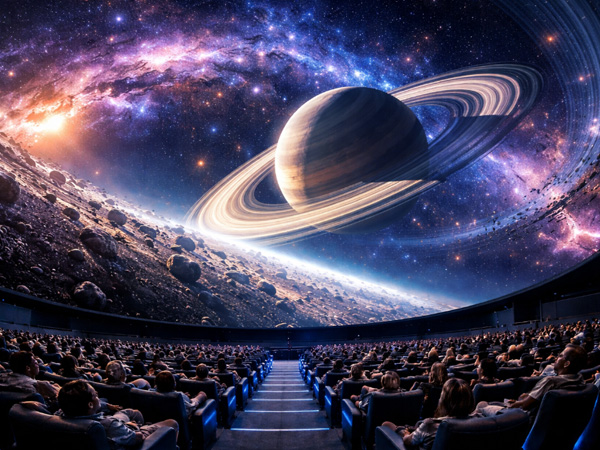
1. Seamless Splicing Technology
An immersive experience space is assembled from many LED display modules rather than being formed as a single piece. When each screen panel is joined, immature technology or poor splicing craftsmanship can result in visible gaps between them. Milestrong’s immersive spaces use seamless splicing technology to make the entire area look complete and uninterrupted.
2. Interactive Functions
To enhance users’ sense of participation and deliver an outstanding experience, immersive spaces often incorporate numerous interactive features. These functions rely on interaction and sensing technologies — for example, using cameras, radar, and other capture devices to track the movements and positions of participants, allowing the immersive space to provide real‑time visual feedback and increase the feeling of realism.
3. Broadcast & Control Technology
Any immersive experience space requires robust broadcast and control technology to support it. The videos played in an immersive space differ from those on ordinary screens in terms of size and resolution; they need to be created with 3D modeling and virtual engines to achieve highly realistic scenes. Of course, we also need a powerful playback device to drive all the screens in the immersive space, ensuring that lighting, content, sound, and interactive information are synchronized and displayed in real time.
- Previous Article:What Does Pixel Pitch Mean for LED Displays?
- Next Article:No content for the time being


