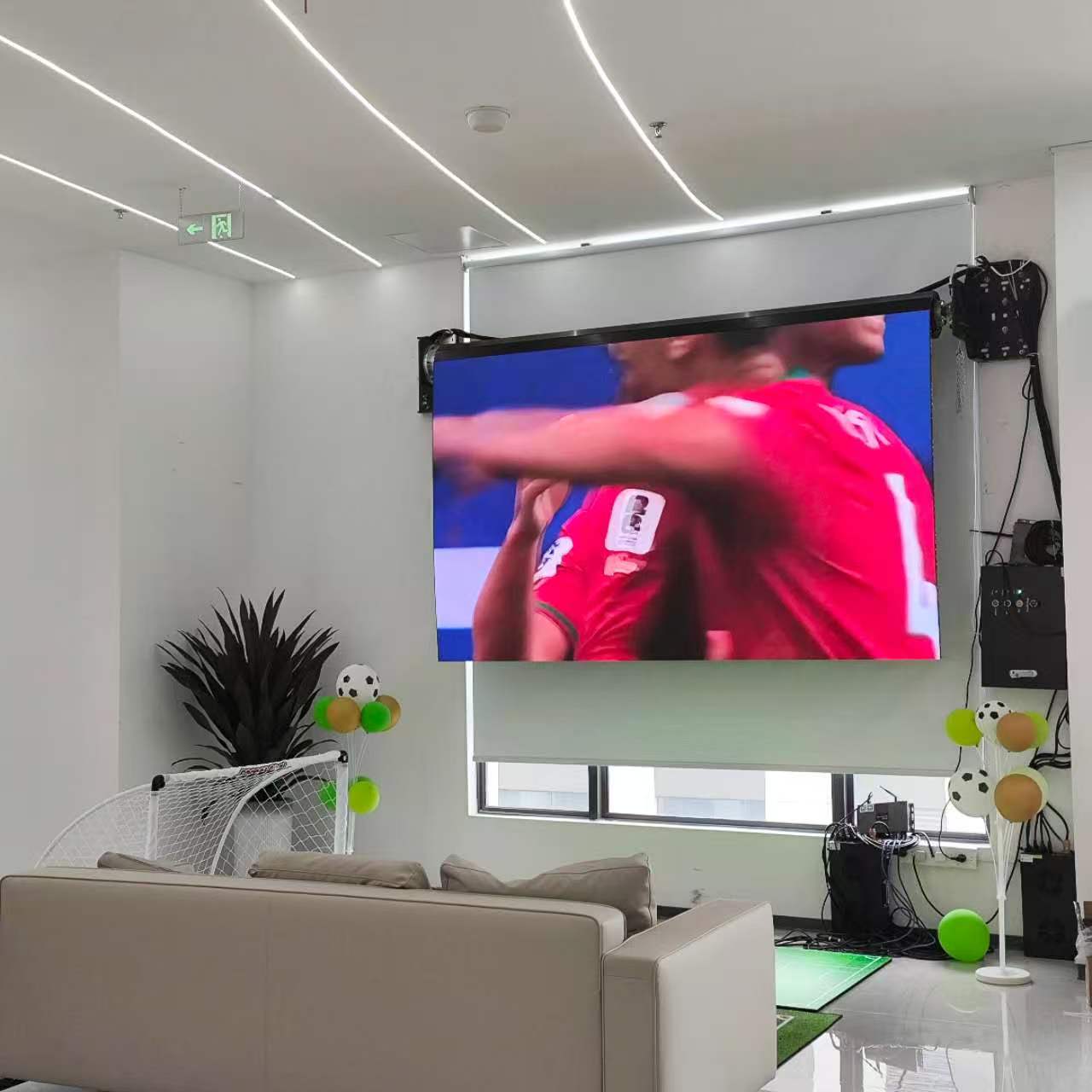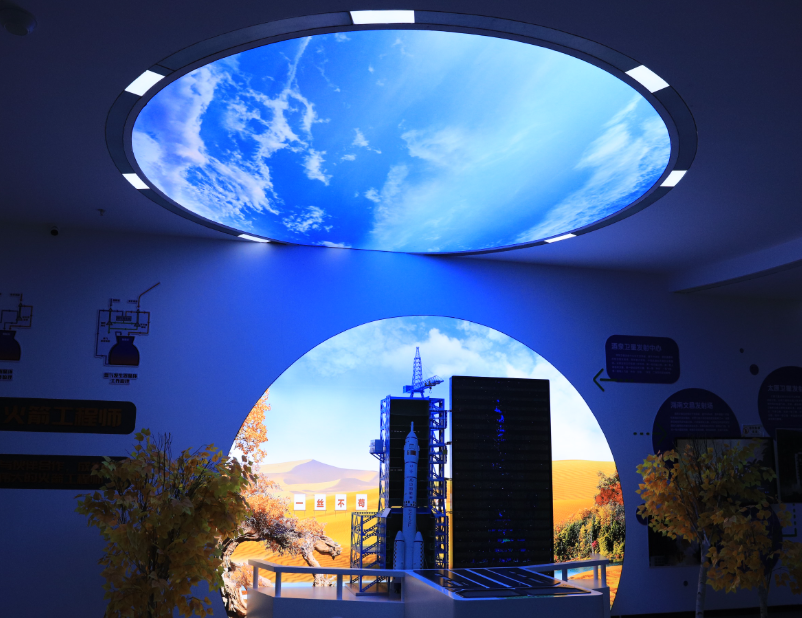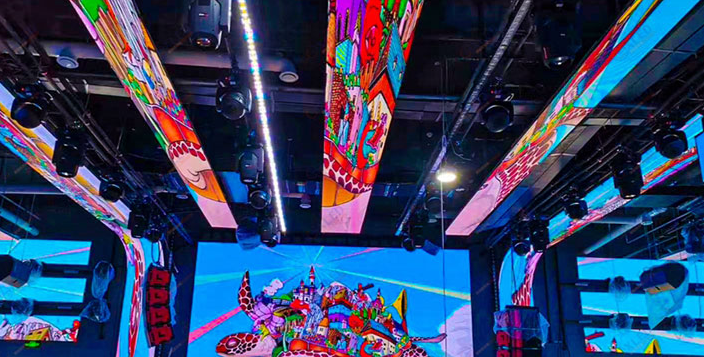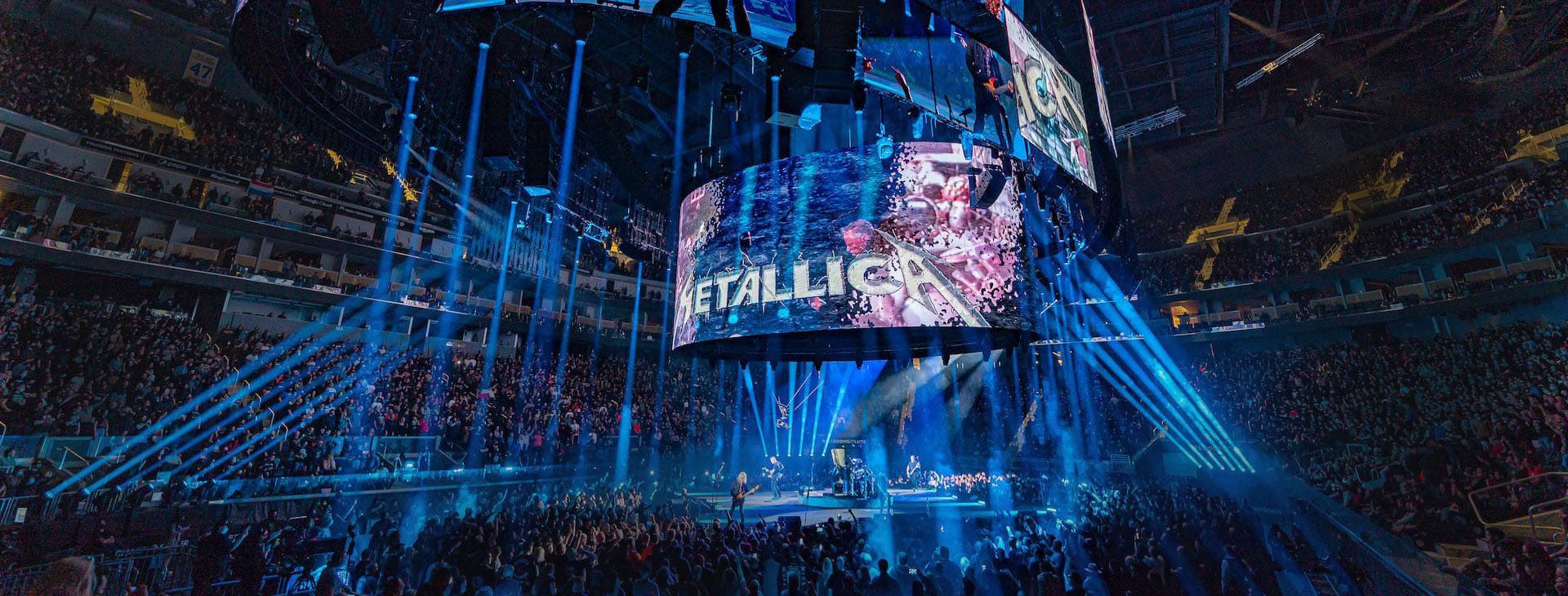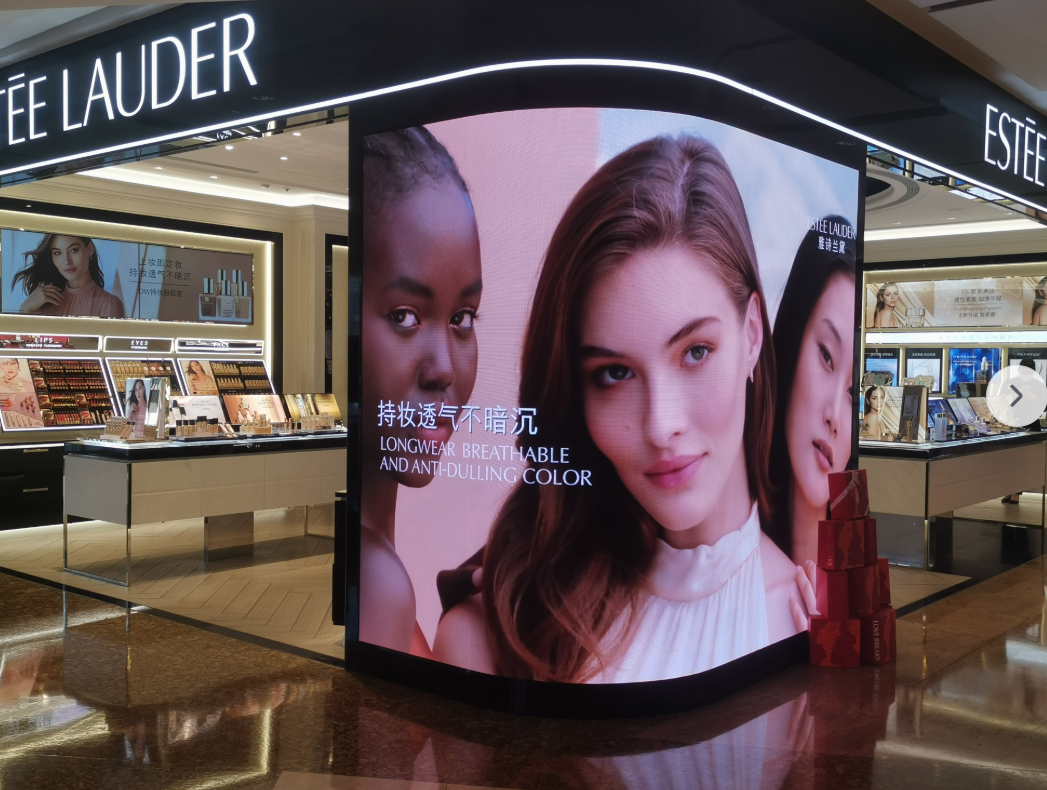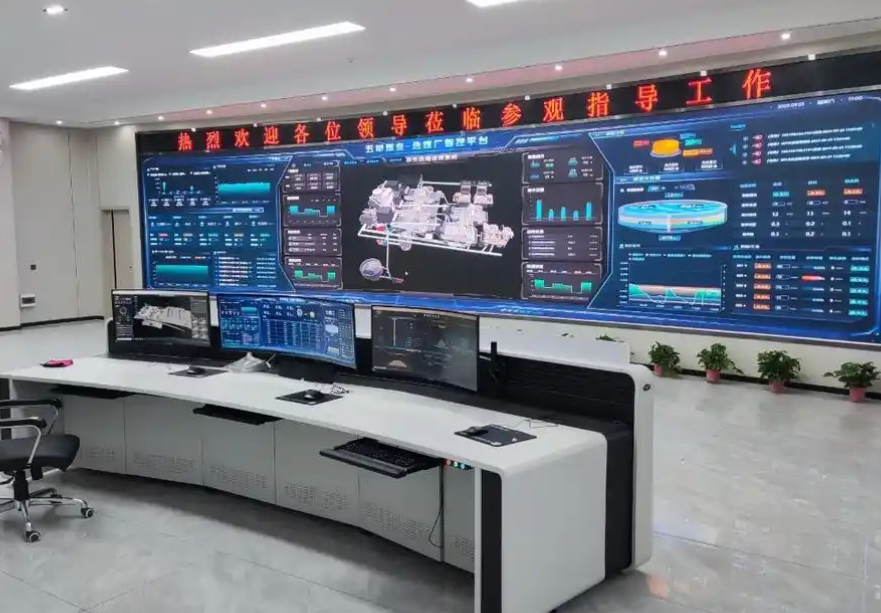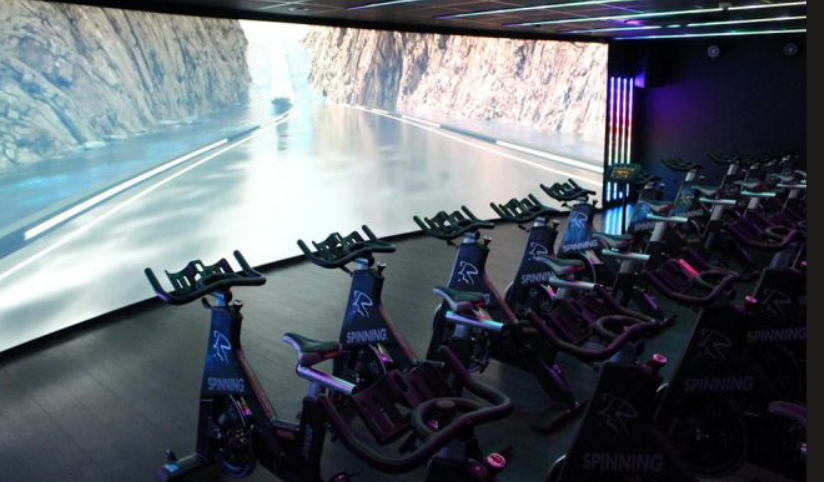


Have you ever thought that your storefront shutter stays closed for 12 hours a day? Once the storefront shutter comes down, passersby have no way of knowing what it sells or what promotions are coming up tomorrow. Is there a way to make use of those 12 hours? The answer is yes. Rolling LED Display transforms a dull shutter into a dynamic digital screen, continuing to convey brand messages and capture the attention of passersby even after the store has closed. This is not merely a practice of individual brands, but a widespread visual upgrade across streets and cities.
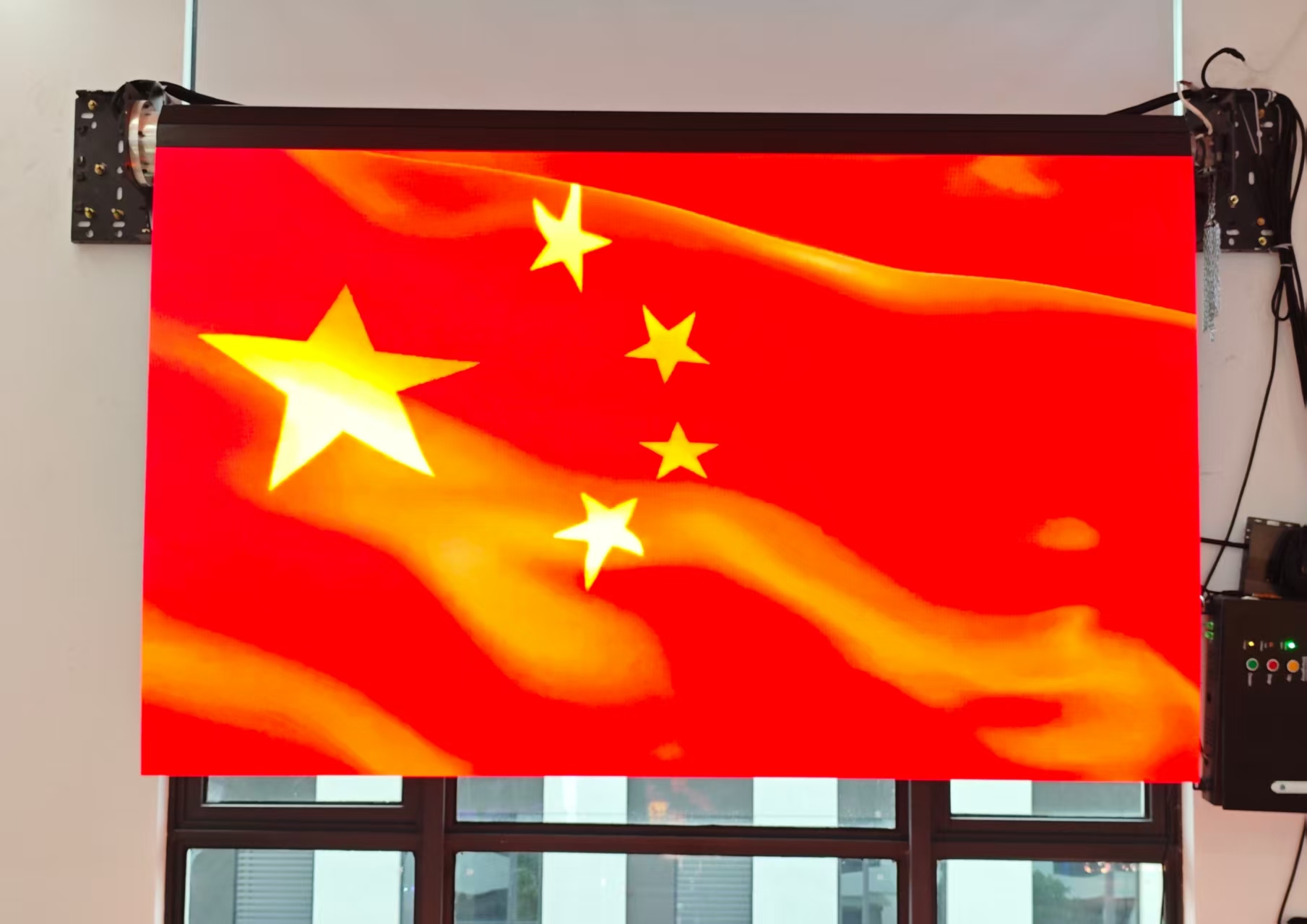
What Makes the Rolling LED Display Special
The Rolling LED Display is not an ordinary LED screen. It is a display system specifically designed for shutter installations.
- First, it can roll up. Storefront shutters go up and down every day. Ordinary screens cannot withstand the repeated mechanical stress of rolling and unrolling. The Rolling LED Display uses ultra-thin and flexible modules, just 15–20 mm thick, which roll up and down with the door without damage, ensuring stable operation day after day.
- Second, it’s durable. Located outdoors, shutters are exposed to sun, rain, wind, and even accidental bumps or knocks. While GOB technology provides IK10-rated impact resistance and IP65-rated water and dust resistance, making it impervious to rain, dust, and accidental impacts.
- Third, it is safe. At night, when shops are unattended, electrical safety comes first. The Rolling LED Display operates on 36V or 24V low-voltage DC power, which poses no risk of electric shock and keeps power consumption very low.
- Fourth, it is smart. It supports one-button lift. That’s, when the rolling gate closes, the screen automatically turns on; when the rolling gate opens, the screen automatically turns off. No manual intervention is required throughout the process. It also supports remote control, allowing different images to be displayed at different times.
Where can the Rolling LED Display be used
Core commercial areas and pedestrian streets see heavy foot traffic and intense brand competition. That’s why, once the rolling LED screens light up, they instantly become a visual focal point of the entire street. In fact, they apply to any location with shutter—not just clothing stores and electronics retailers, but also convenience stores, pharmacies and so on. This isn’t just a new attempt by a single store. On a single street, once one store installs it, the neighbors will follow. Three years ago, this was a novelty. Today, it’s becoming the norm.
What the Rolling LED Display Changes
- For shopkeepers, brand exposure expands into nighttime hours. Previously, brand messages were invisible during non-business hours—typically 10 to 12 hours a day. Closing time no longer marks the end of brand promotion.
- For passersby, walking at night is no longer monotonous. What were once dull, gray shutters have transformed into dynamic displays that also illuminate the path ahead.
- For the city, this represents a new vehicle for the nighttime economy. It occupies no ground space and places and it simply transforms previously idle storefront shutters into digital interfaces. The cost is low, yet the impact is immediately apparent.
Overall, this is neither a complex technology nor a brand-new concept. Rolling LED screen makes efficient use of idle post-closing hours, breaking free from the constraints of business hours. It brings street-level storefronts out of silence and enables brand promotion around the clock. Through lightweight digital upgrades, it opens up a new channel for revenue and promotion for brick-and-mortar stores. Today, a rolling LED screen can be a display, an advertising space, and a city’s calling card.